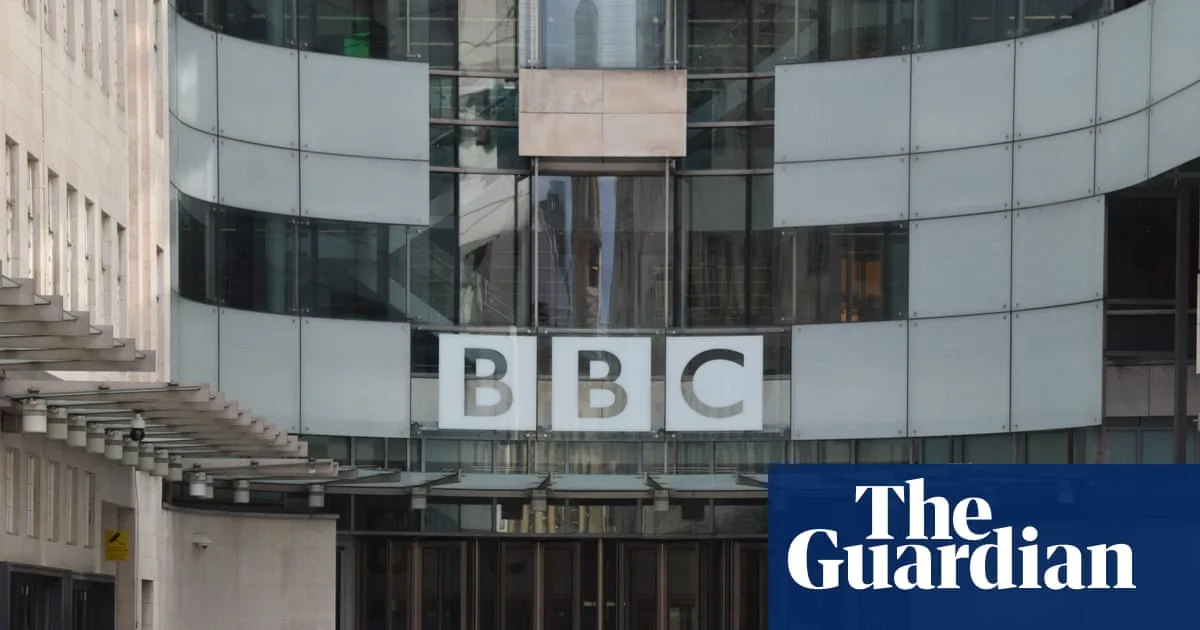
BBC News is to bear the brunt of the corporation’s cost-cutting drive, with staff warned of 15% reductions – significantly higher than the 10% average across the BBC. The division, which employs about a quarter of the BBC’s 21,500 workforce, faces heavy redundancies as part of a £600m savings plan, the deepest downsizing in 15 years.
During a video meeting with around 300 news staff, Richard Burgess, director of news and content, confirmed that the entire news division must cut costs by “around 15%”. He noted that most savings would come from staffing, as the BBC spent £324m on news and current affairs in the year to March 2025, with wages accounting for the majority.
“Most of our savings are people, frankly,” Burgess told staff. “[The cuts will be] 15% of our income. Ultimately, [10% is] a figure across the whole of the BBC, but that doesn’t take into account that there are areas where it’s just not possible to make cuts, so in areas where it is possible, it ends up being slightly higher.”

The cuts come as Matt Brittin, former Google executive, takes over as director general on 18 May, following Tim Davie’s resignation after bias allegations and the BBC’s apology for editing a Trump speech. Details of the redundancies will be announced in June, with affected staff notified in September.
Among speculation about further savings, staff anticipate a shift towards mobile journalism kits to reduce reliance on expensive satellite vehicles, and fears that local radio services with small audiences may be consolidated into network-wide broadcasts, mirroring moves by commercial rivals like Global.