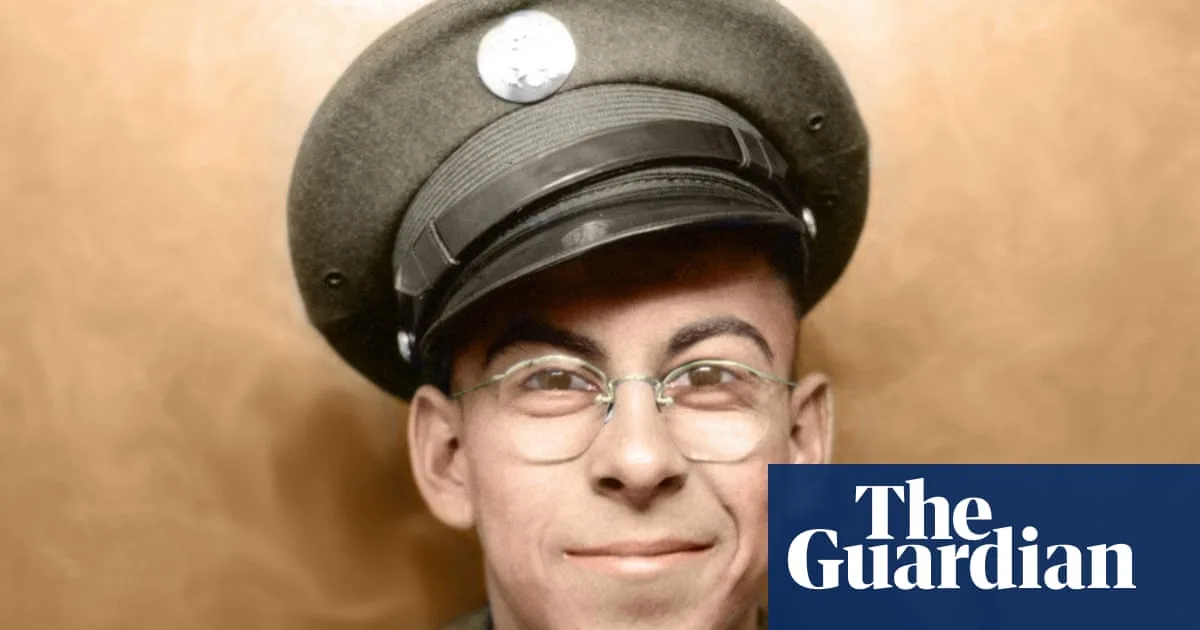
The remains of a teenage US soldier who disappeared during the Korean War have been accounted for after an agonising 75-year wait, military officials have confirmed. US Army Sergeant Celestino Chavez Jr., from Gallup, New Mexico, was officially identified on April 15 by the Defense POW/MIA Accounting Agency (DPAA), bringing a poignant closure to a decades-long mystery.
A Mother's Heartbreaking Letter
In a newspaper clipping shared by the DPAA, the 19-year-old's mother, Lupita Chavez, revealed she last heard from her son on November 27, 1950. He had sent a letter containing the emotional instruction: "If anything happens to me, please mother, no tears." This heartfelt message, written as he faced the perils of conflict, has now resurfaced as his remains are finally returned home.
Service and Sacrifice in the Korean War
The Korean War, fought from June 1950 to July 1953 between North Korea and South Korea with allied forces led by the US, claimed thousands of lives. Chavez was assigned to D Battery, 15th Anti-Aircraft Artillery, Automatic Weapons Battalion, 7th Infantry Division in late 1950. His bravery was demonstrated during a fierce battle near the Jangjin Reservoir, where he was seriously wounded but refused evacuation.
According to a statement accompanying his posthumous award, Chavez "stayed at his post voluntarily and, despite his wound, kept the weapon firing." The statement added that "when the enemy attack had been broken up by the accurate and intense fire, Corporal Chavez, weakened by loss of blood, collapsed unconscious and fell from the M-19 gun carriage to the ground."
Disappearance and Presumed Death
Evacuated to an aid station on November 30, Chavez was reported missing in action on December 2 when his convoy was ambushed by enemy forces en route to Hagaru-ri, south of the reservoir. The US Army received no indication he was ever held as a prisoner of war, and with no evidence of his survival, issued a presumptive finding of death on December 31, 1953.
He was posthumously awarded the Silver Star for his unwavering courage in manning his position despite his wounds during the November 30 attack. Chavez also received a Purple Heart and the Korean Service Medal with two Bronze Service Stars, honours that recognise his ultimate sacrifice.
Decades-Long Identification Process
More than 60 years after his disappearance, a significant breakthrough occurred in the summer of 2018. During a summit between then-US President Donald Trump and North Korean leader Kim Jong-Un, North Korea turned over 55 boxes reportedly containing the remains of US service members who died in the war.
The remains were transported to a DPAA laboratory for meticulous identification using anthropological analysis, as well as circumstantial and material evidence. This painstaking process ultimately led to the confirmation of Chavez's identity, highlighting the ongoing efforts to account for the approximately 7,500 US troops still unaccounted for from the Korean War. The conflict resulted in over 30,000 American deaths and more than 100,000 wounded.
Final Resting Place
On April 15, Chavez was laid to rest with full military honours in his hometown of Gallup, New Mexico. This dignified burial marks the end of a long journey for a young soldier who exemplified bravery and selflessness, ensuring his legacy is now honoured with the respect it deserves.






