Arnold Bax's Music: A Wild, Unfashionable Legacy Deserving a Comeback
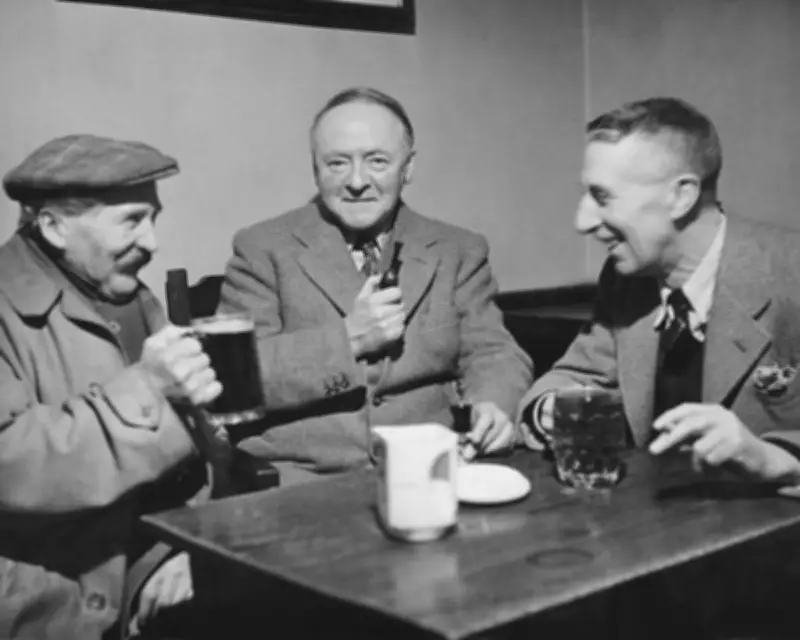
Arnold Bax, the British composer who served as master of the king's music for the final decade of his life, remains a figure of intense artistic passion and controversy. Born in London in 1883 into considerable wealth, Bax was freed from financial constraints, allowing him to pursue his creative obsessions with single-minded dedication. A brilliant pianist, he channeled his fascinations—from Russian exoticism to the Celtic Twilight and the rugged landscapes of north-west Scotland—into every bar of his music, even adopting the pseudonym Dermot O'Byrne for Irish-inspired poetry. His romantic infatuations were equally vivid, reflecting a life lived without the burdens of earning a living or military service in World War I due to a heart condition.
The Decline of Bax at the Proms
Once a staple of the BBC Proms during the 1930s, 1940s, and early 1950s, Bax's music has become a rare sight at the Royal Albert Hall in recent decades. The Proms archive reveals a stark decline: his seven symphonies peaked in popularity mid-century but have since been largely ignored. The last performance of a Bax symphony at the Proms was in 2011, conducted by Andrew Litton with the Second Symphony, while John Wilson featured the tone-poem Tintagel in 2022. This absence is a loss for enthusiasts, including filmmaker Ken Russell, who champion Bax's unfettered imagination.
Tintagel and the Call for a Symphonic Revival
Recently, Antonio Pappano and the London Symphony Orchestra released a stunning recording of Tintagel, a sea-swept, Technicolor orchestral piece inspired by Arthurian myth. This work exemplifies Bax's style—holding nothing back in its depiction of wild seas and emotions. Fans urge Pappano to next tackle Bax's symphonies, which defy conventional structural cohesion and folk traditions. Instead, they immerse listeners in a world of ancient legends and fertile imagination, marked by an excess of sensation and vivid orchestral colors.

Bax's Unique Musical Voice
Bax's compositions, such as the First Symphony, showcase a restless, moment-driven approach that prioritizes intensity over logical argument. Influences from Debussy, Strauss, Sibelius, and Holst are evident, yet Bax stands alone in his sublimely unfettered creativity. From the dragon-breathing openings of the Second Symphony to the radiant epilogues of the Third and Fifth, his music offers a unique soundscape that challenges modern tastes.
New Music Highlights at the Proms
While Bax's works are overlooked, the Proms continue to celebrate innovation with premieres like Thea Musgrave's Bassoon Concerto, Out of the Darkness, performed by Amy Harman on August 23. Other highlights include Gabriela Ortiz's Revolución Diamantina, a fierce ballet score against female oppression, and Thomas Adès's Dante-inspired pieces, Inferno and Purgatorio. Additionally, Édith Canat de Chizy's Skyline and Betsy Jolas's Tales of a Summer Sea add to the season's diverse offerings, ensuring the festival remains a hub of contemporary classical music.