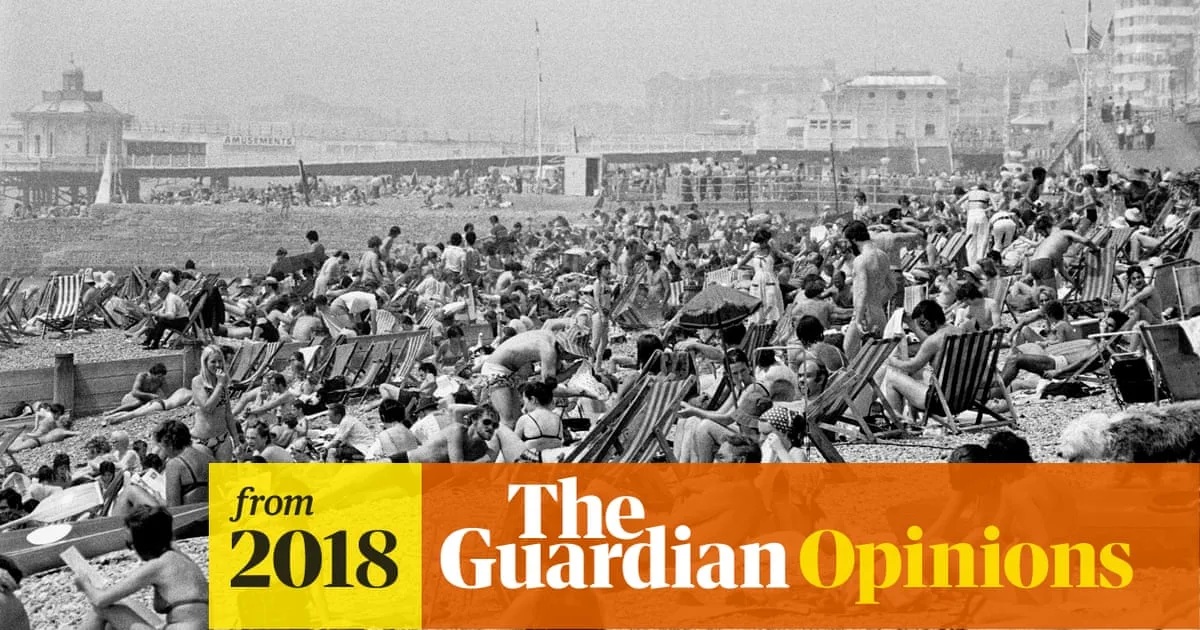
The summer of 1976 saw Britain gripped by a heatwave that coincided with economic turmoil and political upheaval. As the sun beat down and reservoirs shrank, the pound lurched downward on currency markets, fueling fears that the country was in terminal decline. The Wall Street Journal ran a notorious editorial titled 'Goodbye, Great Britain,' reflecting a widespread pessimism about the nation's future.
The drought brought forest fires, crop failures, and hosepipe bans enforced by police and vigilantes. Standpipes appeared on street corners as mains water supplies failed. In this atmosphere of crisis, American writer Paul Theroux published 'The Family Arsenal,' a satirical novel about terrorists in a decaying London, with one character predicting an apocalypse was 'certainly coming.'
Labour Chancellor Denis Healey, however, remained unfazed. In August 1976, after months defending the pound, he took a holiday in northwest Scotland. But his rest was interrupted by calls from Whitehall: the pound was collapsing again. Standing in a hotel hallway in his pyjamas, Healey authorised the Bank of England to spend up to $150 million to prop up sterling. The intervention worked, and he resumed his holiday.

Despite the economic gloom, the heatwave fostered a sense of contentment among voters. Labour pulled level with the Conservatives in the polls, and Prime Minister Jim Callaghan earned the nickname 'Sunny Jim' for his calming manner. The government managed to postpone its most difficult decision—whether to cut postwar state spending—until the autumn.
Today's parallels are striking. Like Callaghan, Theresa May leads a divided government with a weak parliamentary position, facing a strong opposition led by a divisive figure. The heatwave has provided a temporary respite, but the fundamental questions—how to deliver Brexit, and whether austerity can continue—remain unresolved. As in 1976, the long, hot summer may not end well.