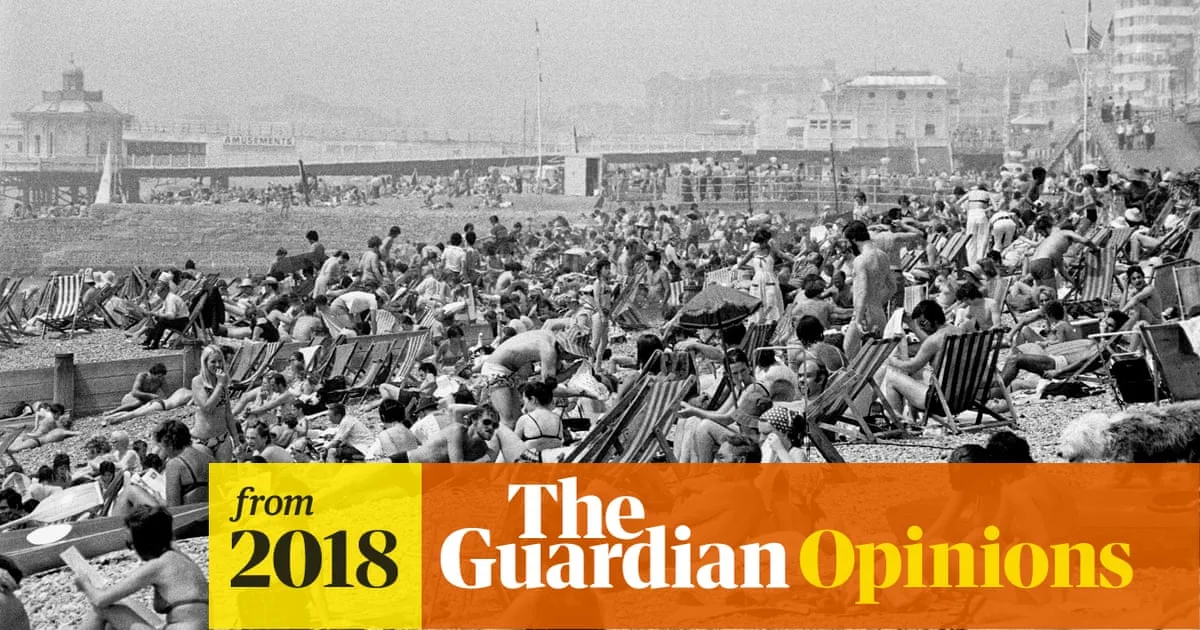
The long, hot summer of 1976 in Britain brought not only record temperatures and drought but also profound political and economic turmoil. As the sun beat down and reservoirs shrank, the pound lurched downwards on currency markets, and the country seemed to be approaching an abyss. A conviction had grown among traders, economists, and commentators that Britain was about to slip to a lower, less elite level—a sentiment echoed in a 1975 Wall Street Journal editorial titled 'Goodbye, Great Britain.'
The drought that summer brought forest fires, crop failures, hosepipe bans enforced by police and vigilantes, and standpipes on street corners. Some saw it as a further sign of crisis. The American writer Paul Theroux published The Family Arsenal, a bleakly satirical novel about terrorists in a sweaty, rundown London, with one character predicting that apocalypse was 'certainly coming.'
Labour Chancellor Denis Healey, however, was not among the worriers. After months defending his economic policies, he went on holiday in August, driving through England, Wales, and up to northwest Scotland. In Ullapool, he was woken by phone calls from Whitehall as the pound collapsed again. Standing in a hotel hallway in his pyjamas, he authorised the Bank of England to spend up to $150 million to buy sterling. The intervention worked, and he continued his holiday.

Hot weather does contradictory things to British politics. In Parliament, it sparks revolts and panics; away from Westminster, it can make politicians and voters worry less. During July and August 1976, despite the economy and widespread disillusionment with centre-left politics, Labour pulled level with the Conservatives in the polls. Prime Minister Jim Callaghan, with his avuncular manner, was called 'Sunny Jim.'
Theresa May's situation in 2018 bears similarities. Like Callaghan, she leads a divided government in a weak parliamentary position, wedded to contested ideas. The main opposition has a divisive leader seen as extremist—Margaret Thatcher was the Jeremy Corbyn of the mid-70s. And, like Callaghan, May has put off the most difficult question—how to do Brexit—until the autumn, as the sun keeps shining and the parks fill with skivers.