Lunar New Year 2026: Celebrating the Year of the Horse
Lunar New Year 2026, which heralds the arrival of the Year of the Horse, officially commences on Tuesday, 17 February 2026. This vibrant festival spans an impressive 15 days of festivities, observed widely across numerous Asian nations and within global diaspora communities. The date of Lunar New Year is determined by the first new moon of the lunar calendar, meaning it shifts slightly each year, adding to its unique annual character.
Cultural Significance and Names
Known by various names depending on the region, the festival is most commonly referred to as the Spring Festival in China, Tet in Vietnam, and Seollal in Korea. Each culture brings its own traditions and customs to the celebrations, yet all share a common theme of renewal and hope for the coming year. In Chinese astrology, the horse is a highly esteemed symbol, representing freedom, vitality, energy, independence, enthusiasm, and ambition. These attributes are often reflected in the spirit of the festivities and the aspirations of those celebrating.
Key Traditions and Celebrations
The core focus of Lunar New Year is on warding off bad luck and inviting prosperity and good fortune. A dominant feature is the colour red, which is believed to scare away evil spirits and bring luck. This is evident in:

- Red clothing worn by participants.
- Red decorations adorning homes and public spaces.
- The tradition of giving red envelopes (hongbao) containing money, typically from elders to younger family members, to convey blessings.
Festivities are rich with communal activities, including:
- Lively community carnivals and parades, often featuring dragon and lion dances.
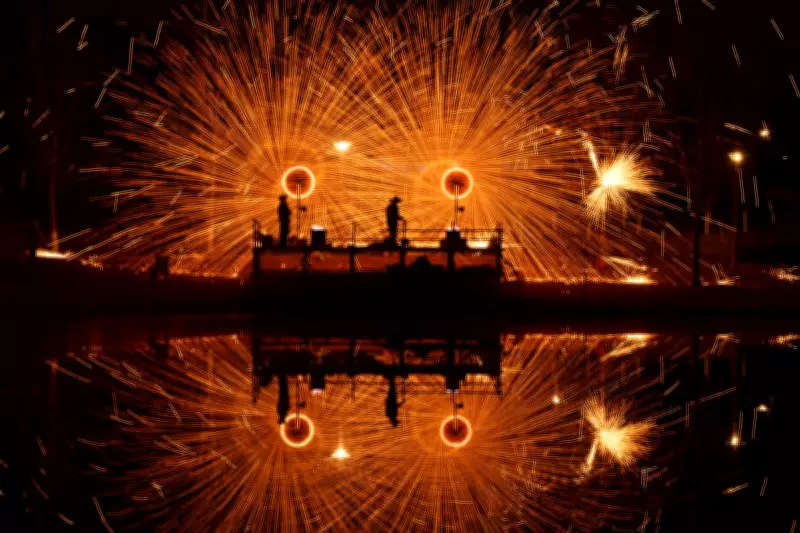
- Spectacular fireworks displays to drive away negativity.
- Reverent ancestor worship ceremonies to honour familial heritage.
- Feasting on specific traditional foods believed to bring luck, such as long-life noodles for longevity and rice cakes (nian gao) for prosperity and growth.
These celebrations not only strengthen family bonds but also foster a sense of cultural identity and continuity across generations.