Carolina Herrera Revives 1980s Glamour at New York Fashion Week
The Carolina Herrera runway at New York Fashion Week was a confident celebration of the brand's 1980s roots, with creative director Wes Gordon masterfully blending heritage codes with modern flair for the autumn/winter 2026 collection. Front-row attendees included fashion luminaries such as Martha Stewart, Nicky Hilton, and Anna Wintour, underscoring the label's enduring appeal.
Honouring Heritage with Contemporary Flair
When founder Carolina Herrera described her debut collection in 1981, she famously stated it was simply "my own style." Decades later, that sentiment continues to define the label, which remains refined and unmistakably ladylike. The Herrera aesthetic has long centred on crisp tailoring, sculptural sleeves, and a single statement flourish—never fussy or overworked.
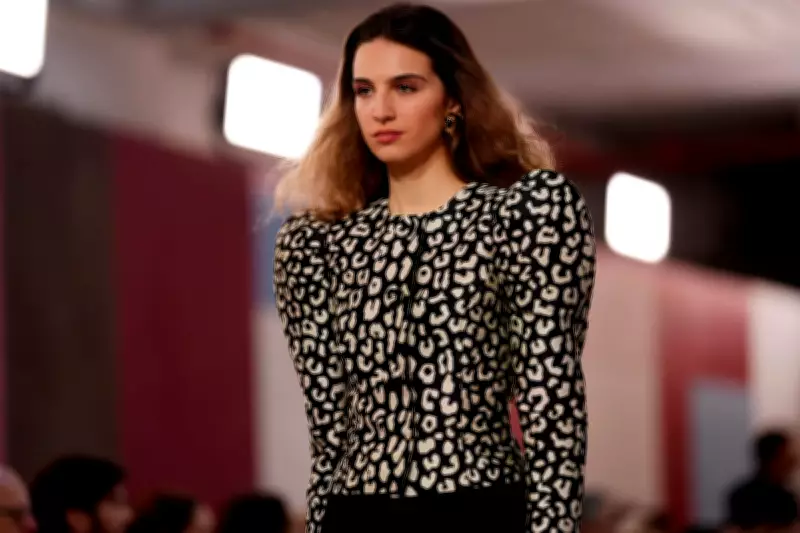
This season, that flourish arrived immediately with a double-breasted leopard coat opening the show, signalling that horseshoe jeans are out and horseshoe coats are in. The coat was textured and sharply cut, setting a bold tone for a collection that seamlessly combined classic elegance with playful elements.

Key Design Elements and Trends
Leopard print appeared repeatedly throughout the collection, often rendered in monochrome with flashes of red, reinforcing animal print as a key outerwear statement for the colder months. Sixties-inspired silhouettes also ran throughout, featuring structured peplum jackets, drop-waist A-line dresses, and oversized buttons that gave the collection a retro, graphic precision.
- Bows and brooches added decorative charm, aligning with recent trends.
- Florals, traditionally synonymous with spring, were reimagined for autumn with arum lilies appearing as sculptural accents on belts, bags, and brooches before evolving into rich reds and plum across dresses and separates.
- Gordon incorporated the mesh trend dominating red carpets, with sheer underlays peeking from beneath tailored jackets and evolving into full-length evening gowns that combined transparency with structure.
Glamour and Theatricality Take Centre Stage
Strong shoulders—a nod to the house's 1980s roots—featured prominently in coats and formal day dresses, alongside exaggerated peplums that suggest this decade's trends are here to stay. As the show progressed, glamour took centre stage with sequins and square disco-style embellishments drenching body-con evening gowns, injecting high-shine drama into the collection.
The silhouettes evoked the 2010s 'business-casual' trend, albeit elevated through richer textures and sculpted proportions. Elsewhere, crinoline-inspired constructions introduced exaggerated hips and cinched waists, reviving a silhouette that has resurfaced in recent couture collections by Dior and Schiaparelli. This sculptural shape brought a sense of theatricality, emphasising the hourglass form currently trending in fashion.
Preserving Elegance for the Modern Woman
Ahead of the show, Wes Gordon emphasised on Instagram his commitment to preserving the house's defining elegance while evolving it for a contemporary woman. He described the work as rooted in Herrera's enduring sense of confidence, colour, and joie de vivre—values that continue to anchor the brand decades after its founding.
Under Gordon's direction, Carolina Herrera's codes of femininity have been refreshed with youthful energy. Herrera, who launched her label after encouragement from former Vogue editor Diana Vreeland, built her reputation on simple white shirts, couture-like dresses, and dramatic sleeves. Early clients included Jacqueline Kennedy Onassis, and the brand has continued to dress high-profile women for red carpets and formal occasions.
For autumn/winter 2026, Gordon honoured that lineage while sharpening its message. Leopard outerwear, sculpted peplums, and strong-shouldered tailoring spoke to modern-day power dressing, while lilies, bows, and mesh layering introduced a much-needed sense of soft romance, ensuring the collection resonated with both heritage enthusiasts and contemporary fashionistas.