Antwerp's Fashion Legacy: A Guide to Europe's Alternative Style Capital
In the 1980s, a group known as the Antwerp Six catapulted Flanders onto the global fashion map. Today, a major new exhibition at MoMu, Antwerp's world-class fashion museum, celebrates their enduring legacy, offering the perfect excuse to visit Belgium's dynamic second city. This fashion-lover's guide delves into the rich tapestry of style that defines Antwerp, from historic churches to cutting-edge boutiques.
A City Woven with Fashion
Antwerp takes its fashion seriously, as evidenced by even the Virgin Mary adorned in couture. At St Andrew's Church, a baroque masterpiece near the old town, a 16th-century wooden statue of the Madonna wears a custom-made dress by renowned Belgian designer Ann Demeulemeester, trimmed with white pigeon feathers. This bold statement reflects a city where fashion is intricately woven into daily life, blending tradition with avant-garde creativity.
This wasn't always the case. In the 19th century, the area was known as the parish of misery, a reputation that persisted into the 1980s. It was then that designer Dries van Noten bravely opened a shop on Nationalestraat, opposite his grandfather's tailor shop. Today, this art nouveau building, with its curved windows and marble floors, anchors Antwerp's vibrant Fashion District, a rebranded hub that has transformed the neighbourhood's identity.

The Antwerp Six: Pioneers of Style
Van Noten and Demeulemeester are key members of the Antwerp Six, a group of graduates from the Royal Academy of Fine Arts who burst onto the international scene in the late 1980s. Alongside Walter van Beirendonck, Dirk Bikkembergs, Dirk van Saene, and Marina Yee, they revitalised a fashion world long dominated by Paris, Milan, and London. Their story is showcased in a major retrospective at MoMu, running until 17 January 2027, marking the 40th anniversary of their debut at the 1986 British Designer Show in London.
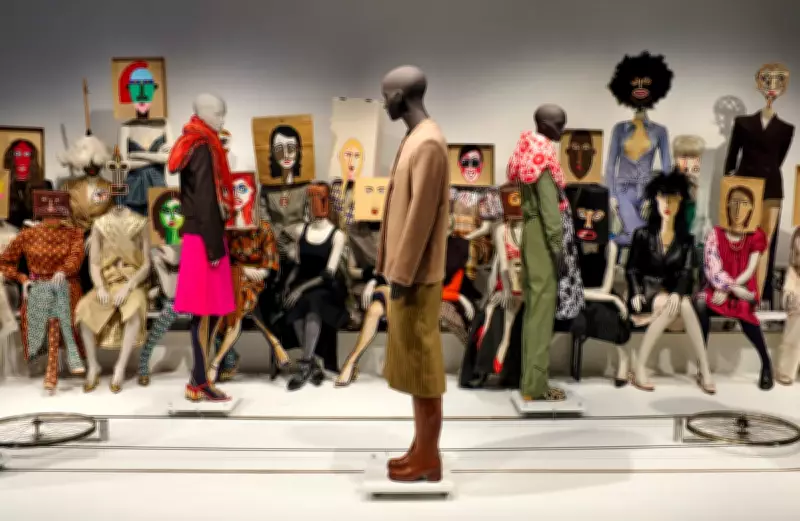
The exhibition highlights their journey, from piling into a rented van to catch a ferry from Ostend to winning over press and buyers with shoestring budgets, upcycled materials, and a focus on self-expression. Though labelled as a collective for convenience, each designer has a curated space, from Van Beirendonck's colourful avant-garde pieces to Demeulemeester's monochrome drama, enhanced by film projections, interviews, and evocative soundtracks.
Fashion District and Sustainable Innovations
Emerging from MoMu, the legacy of the Antwerp Six is palpable across the city. Nationalestraat blends contemporary designers with kilo stores selling second-hand clothes by weight. At Labels Inc, shoppers can find pre-loved items from Belgian icons like Raf Simons or discover new talent from fashion graduates. Streets like Kammenstraat and Steenhouwersvest are lined with vintage shops and independent labels, such as Arte Antwerp, which draws inspiration from graphic design and architecture.
Designer Tim van Steenbergen, who apprenticed with Dries van Noten, co-founded ReAntwerp, a social enterprise promoting sustainable fashion. Using deadstock materials from local designers, they create limited-edition classics while providing training and employment for refugees from countries like Afghanistan and Syria. Our common language is textiles, says Van Steenbergen, echoing a city historically built on the textile trade.
Historical Roots and Cultural Riches
Antwerp's fashion prowess is rooted in its history as a 16th-century commercial hub, where textiles, diamonds, and spices flowed through the River Scheldt. Wealth from this trade funded the ornate guild houses around Grote Markt, while the city became an artistic powerhouse, home to masters like Rubens and Van Dyck. The MAS museum in the Eilandje district tells this story, with panoramic views from its roof terrace.
Cultural gems abound, from Rubens' altarpieces at the Cathedral of Our Lady to the Plantin-Moretus Museum, a historic printing house with family portraits by the artist. After a day of exploration, visitors can relax in the Italian-style gardens near Rubens' house or enjoy local delights like bolleke beer and shrimp croquettes in sunlit squares.

Practical Tips for Visitors
For accommodations, Hotel t'Sandt, a restored 17th-century mansion with polished floors and beamed ceilings, offers a stylish base. Double rooms start from €217 per night, ideal for exploring the city's blend of history and modernity. Antwerp is easily accessible via a 45-minute train ride from Brussels, connecting to Eurostar services for international travellers.
In summary, Antwerp stands as a testament to innovation and tradition, where fashion's past and present converge in a vibrant, inspiring setting. Whether you're a style enthusiast or a cultural explorer, this city promises an unforgettable journey through Europe's alternative style capital.