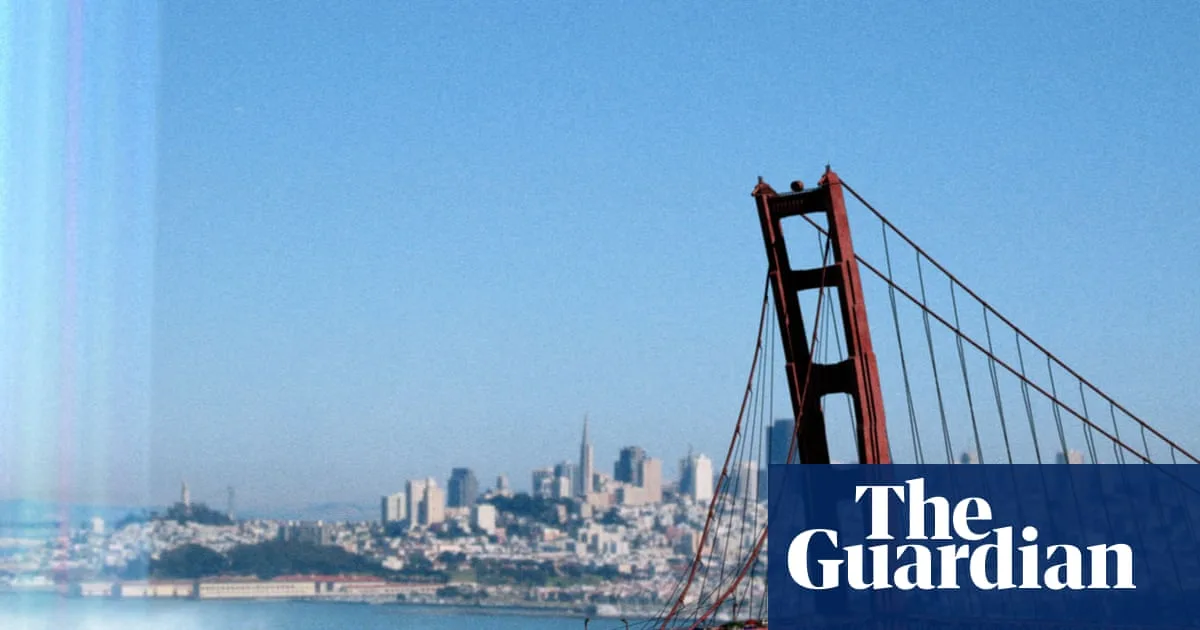
As the Gerard Butler film Greenland 2 becomes one more addition to the list of action movies to tamper with the Eiffel Tower, Statue of Liberty or Golden Gate bridge, isn’t it time they mixed it up a bit?
Realistically there was never going to be a good time to release a sequel to 2020’s Greenland. This is partly because Greenland was one of those films in which Gerard Butler runs around looking as if he’s desperately trying to hold in a whopper of a fart. However, releasing a film about Americans focusing all their effort on Greenland at this precise moment in time feels a little on the nose.
Some new research by, fittingly, the insurance company MS Amlin, compiles the landmarks that get destroyed most often in movies. If it proves anything at all, it’s that Hollywood has a very shallow imagination. Prior to the Greenland films, for instance, the Eiffel Tower has been destroyed in Armageddon, Mars Attacks! Team America: World Police, Category 7: The End of the World, Aftermath: Population Zero, GI Joe: The Rise of Cobra and Cloudy with a Chance of Meatballs.

Way out in front, though, is the Statue of Liberty, which has been targeted in (deep breath): The Last War, Planet of the Apes, National Lampoon’s European Vacation, Superman IV: The Quest for Peace, Batman Forever, Independence Day, Mars Attacks, Deep Impact, Aftershock: Earthquake in New York, Artificial Intelligence, The Day After Tomorrow, Category 7: The End of the World, Tom and Jerry: The Fast & the Furry, Superman II, Transformers, Cloverfield, NYC: Tornado Terror, 2012 and GI Joe: The Rise of Cobra.
This teaches us two things. The first is that we’ve all clearly been sleeping on Tom & Jerry: The Fast and the Furry. The second is that the film-makers of the world desperately need to find new landmarks to explode. It has been done in the past. When Harry O Hoyt chose to destroy something with a dinosaur in 1925, for example, he settled on the Blue Posts pub in Soho. Or, when Alfonso Cuarón decided to depict a real-life location to show untold depths of destruction in Children of Men, he opted for Bexhill-on-Sea. And where did Marvel choose to stage its most spectacular ever superhero-on-superhero battle when it came to filming Captain America: Civil War? That’s right, Leipzig airport.
We need more of this, frankly. The movies can no longer rely on blowing up the same tired old landmarks. Let’s have a bit of invention. The next time aliens invade, let’s have them train their firepower on the Spam Museum in Austin, Minnesota. If an out-of-control foreign government decides to train its nuclear arsenal on Europe, then let it aim its missiles at that tiny statue of the urinating boy in Brussels. We’ve seen meteors hit Earth a million times before, but have any of them ever taken out the Cleethorpes Coast Light Railway? No, and this is precisely why cinema is dying.