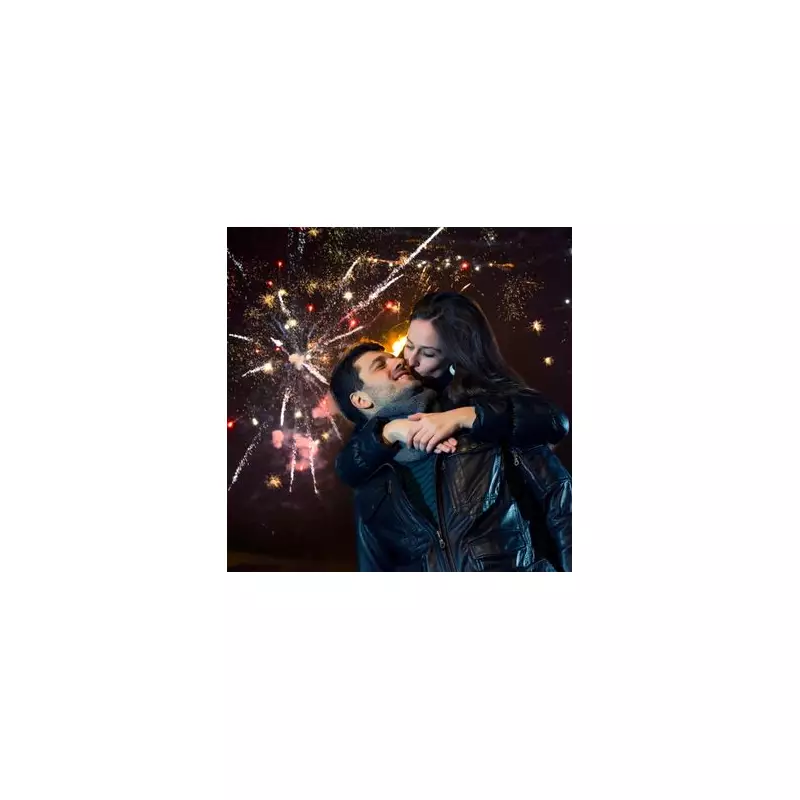
As the clock strikes midnight on December 31st, millions across the globe will lean in for a New Year's kiss, a passionate tradition observed for decades. Yet, despite its widespread practice, the exact origins of why we pucker up as one year becomes the next remain shrouded in fascinating mystery.
Ancient Festivals: The Pagan and Viking Roots
While the precise beginning is hard to pinpoint, historians often trace the custom back to two ancient winter festivals. The first is Saturnalia, a raucous Roman pagan holiday celebrated around the winter solstice between December 17th and 23rd. This festival was known for public revelry and intoxication, which experts believe may have evolved into the association of kissing as part of the festivities.
The second is Hogmanay, the Viking-derived New Year celebration still fervently observed in Scotland. This tradition explicitly involves kissing, but not just for romantic partners. Kisses were exchanged with both friends and strangers, accompanied by heartfelt wishes for a prosperous year ahead.

A Literary First: The Arthurian Legend Reference
The earliest known mention of a potential New Year's kiss in writing appears in fiction, according to folklore expert Professor Christina Fitzgerald from the University of Toledo. She points to "Sir Gawain and the Green Knight", a 14th-century Arthurian poem.
Within the epic, a passage describes a party where women are to present "gifts" to the men. Professor Fitzgerald notes that it is commonly interpreted within the legend that these gifts symbolise kisses, marking one of the first literary nods to the practice.
From Superstition to Modern Tradition
Folklore expert Professor Daniel Compora, also of the University of Toledo, explains the custom's powerful appeal. He states that in both English and German folklore, who you are with at midnight is believed to portend your luck for the coming year.
"Superstitions usually imply some element of cause and effect," Compora said. "If people truly believed that kissing someone could prevent a year of loneliness, it would constitute superstitious behaviour."
Today, however, he argues the New Year's kiss is better described as a tradition rather than a superstition. It is a practice "passed down generationally and practiced widely within a society" rather than a firm belief that one action will magically trigger another. With a hint of humour, Professor Compora added, "Quite honestly, it sounds like an excuse to kiss people who may not otherwise allow you to do so."
So, as you raise a glass this Hogmanay or wait for the chimes, remember you're part of a ritual with roots stretching back through centuries of celebration, from Roman Saturnalia feasts to Viking Scotland and the courts of Arthurian legend.