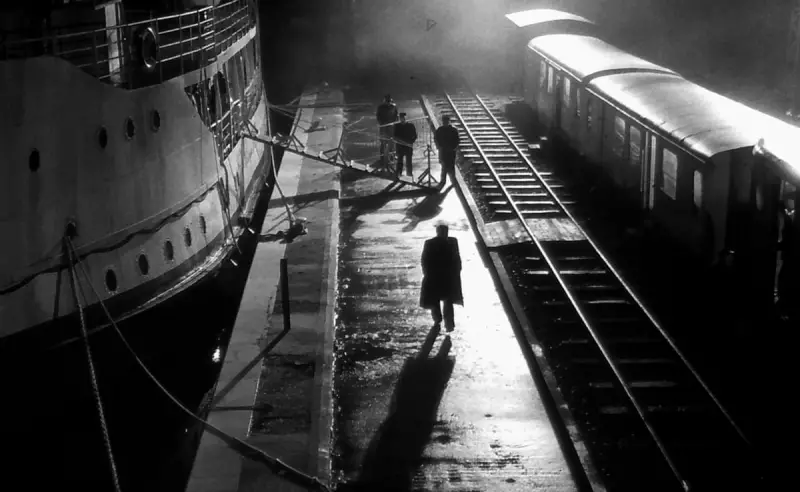
In a rare and expansive interview, the revered Hungarian auteur Béla Tarr has opened up about his lifelong quest for cinematic perfection, his pivotal role as a mentor, and his stark perspective on the current state of the film industry. The director, whose monumental works like Satantango and The Turin Horse have cemented his status as a giant of European art cinema, reflects on a career defined by an uncompromising vision.
The Unrelenting Pursuit of a Perfect Image
For Béla Tarr, the act of filmmaking is a sacred, almost spiritual endeavour. He describes his directorial process as a relentless search for the perfect image, a frame that contains profound truth and beauty. This pursuit, he admits, is exhausting and demands absolute dedication, often requiring dozens of takes to capture a single, fleeting moment that aligns with his exacting standards. His famous long, hypnotic takes are not mere stylistic flourishes but a philosophical approach to depicting time, space, and human condition with unflinching honesty.
Tarr's methodology is legendary for its intensity. He works closely with a dedicated, familial crew, creating an immersive environment on set where every detail—from the trajectory of the rain to the weight of an actor's sigh—is meticulously controlled. This painstaking approach results in films that are not simply watched but experienced, pulling audiences into their stark, atmospheric worlds. He argues that true cinematic language has been diluted by mainstream conventions, and his work stands as a powerful rebuttal to fast-paced, narrative-driven storytelling.

Guiding a New Voice: The Mentorship of László Nemes
A significant and heartening chapter in Tarr's later career has been his mentorship of a younger Hungarian filmmaker, László Nemes. Nemes, who achieved international acclaim with his devastating Holocaust drama Son of Saul, sought Tarr's guidance during the film's development. Tarr, who had famously declared he was retiring from filmmaking after The Turin Horse, found a new purpose in supporting this bold new talent.
Béla Tarr did not just offer casual advice; he became a crucial creative consultant on Son of Saul. He provided feedback on the script and, most importantly, supported Nemes's radical formal approach: the decision to shoot almost the entire film in extreme close-up, following the protagonist's face through the horrors of Auschwitz. Tarr recognised in Nemes a similar commitment to a singular, uncompromising perspective. He saw the film not as an extension of his own style, but as the emergence of a powerful and original voice that shared his deep seriousness about the medium's potential.
A Candid View on the Modern Film Landscape
Never one to mince words, Béla Tarr offers a bleak yet characteristically direct assessment of contemporary cinema. He is deeply critical of the homogenising influence of streaming platforms and what he perceives as the industry's prioritisation of commerce over art. He laments the loss of the cinematic experience—the collective, focused viewing in a dark theatre—and fears for a generation consuming content on small screens amidst constant distraction.
Despite this pessimism, his advocacy for Nemes reveals a flicker of hope. He believes the future of meaningful cinema lies in the hands of stubborn, independent-minded artists who resist formula and are willing to fight for their personal vision. For Tarr, the role of the director is that of an author with a unique worldview, a concept he feels is under threat. His own legacy, and that of the filmmakers he inspires, is a testament to the enduring power of cinema when it is treated as a profound art form rather than mere entertainment.
Now primarily focused on teaching and running his film factory, a workshop for aspiring filmmakers, Béla Tarr's influence continues to ripple outward. While he may have stopped making his own films, his dedication to the purity of the cinematic image and his nurturing of talents like László Nemes ensure that his rigorous, perfectionist ethos will continue to challenge and inspire the world of film for years to come.