BBC Announces Sweeping £500m Budget Cuts Amid Financial Pressures
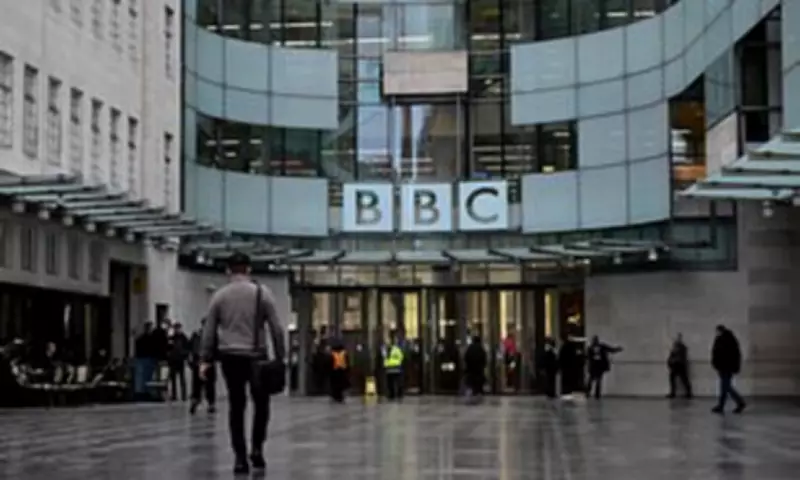
The British Broadcasting Corporation has unveiled plans to slash more than £500 million from its annual budget, a move that is expected to result in significant job losses and reductions to programming across the broadcaster. The corporation stated that it aims to achieve savings of approximately 10% of its total costs by the year 2029, though specific details regarding which services will be impacted remain undisclosed at this stage.
Financial Context and Previous Savings Efforts
Last year, the BBC's operating costs were recorded at just over £6 billion, meaning the proposed cuts would equate to around £600 million. This latest austerity drive comes on top of an existing £700 million savings and reinvestment programme, which still needs to address a £150 million shortfall. The announcement follows revelations in January 2025 that the BBC World Service would eliminate 130 positions as part of efforts to save about £6 million for the upcoming financial year.
Tim Davie, the outgoing director-general, communicated these new plans to staff on Thursday, emphasising that the cuts would affect all segments of the corporation. This includes both the commercial BBC Studios division and the licence fee-funded public service arm. In a note to employees, seen by The Telegraph, Mr Davie wrote: 'To stay competitive and relevant, we need to adapt and innovate with purpose and pace. Over the next three years, like everybody in our sector, we will need to continue to find savings and move money to where we need it to remain relevant for our audiences.'

Licence Fee Increases and Market Challenges
Predominantly funded through the annual television licence fee, which is set to rise from £174.50 to £180 per year starting April 1, the BBC has been under mounting pressure to demonstrate value for money. This is particularly acute as the broadcaster faces intensifying competition from global streaming giants such as Netflix and Disney+. Earlier this month, the government confirmed the fee increase, stating it would help maintain the BBC's financial stability.
A BBC spokesperson commented: 'Over the last three years, we have delivered more than a half a billion pounds worth of savings, much of which we've been able to reinvest into our output across the BBC. In a rapidly changing media market, we continue to face substantial financial pressures. As a result, we expect to make further savings over the next three years of around 10% of our costs. This is about the BBC becoming more productive and prioritising our offer to audiences to ensure we're providing the best value for money, both now and in the future.'
Recent Scandals and Legal Challenges
The budget cuts announcement occurs against a backdrop of recent turbulence for the broadcaster. This includes controversy stemming from a misleading edit of a speech by former US President Donald Trump, which has led to a $10 billion defamation lawsuit filed by Trump against the BBC in Florida. A federal judge there has scheduled a trial date for February 2027. The fallout from this incident prompted Tim Davie to announce his resignation, with his final day set for April 2.
Licence Fee Dynamics and Viewer Trends
The television licence fee, which must be paid to watch live television or use the iPlayer service, has been a subject of ongoing scrutiny. In 2022, the BBC and the previous Conservative government agreed to freeze the fee at £159 for two years, with plans to link it to inflation until at least 2027. Initially projected to remain below £175 by the end of this period, high inflation necessitated a review. In November 2024, the Labour Government announced an increase from £169.50 to £174.50 effective April 2025, with the BBC generating £3.8 billion from the fee in the 2024/2025 financial year.
However, the future of the licence fee model is increasingly uncertain due to a sharp decline in traditional television viewership. More audiences are turning to streaming services like Netflix and Amazon Prime, leading to a decrease in licence purchases from 24.1 million to 23.8 million in 2024/25. This drop has adversely affected the BBC's income in real terms, compounding financial strains.

Government Response and Cost of Living Concerns
Downing Street has reiterated the government's commitment to reducing the cost of living for British citizens, despite the recent licence fee hike. When questioned about why Prime Minister Sir Keir Starmer did not opt to freeze the fee, an official spokesman stated: 'The BBC is obviously independent from Government, but you've got our track record on the cost of living. We are committed to driving down the cost of living.' The spokesman further noted that this priority is being addressed through various measures, including adjustments to rail fares, dentistry appointments, and lifting the two-child benefit limit for many families.
The BBC's strategic cuts reflect broader challenges within the media landscape, as the organisation strives to balance financial sustainability with its public service mandate in an era of digital transformation and shifting consumer habits.