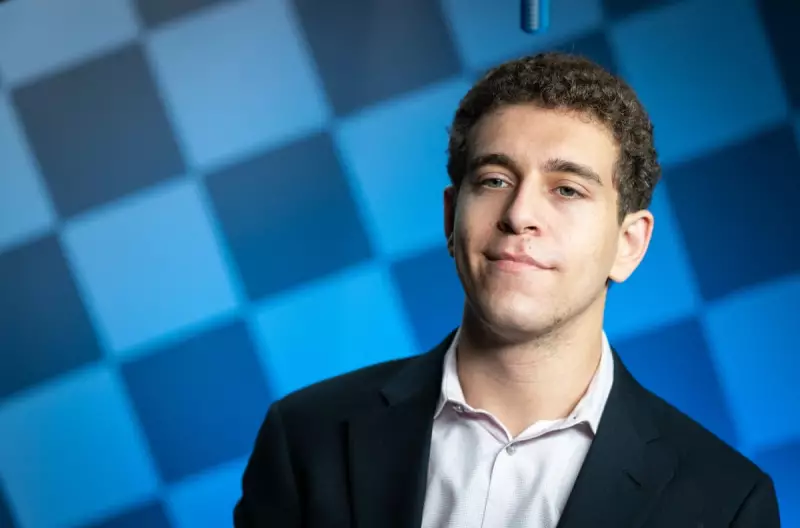
Toxicology Report Details Substances Found in Chess Grandmaster's System
American chess grandmaster Daniel Naroditsky had a combination of stimulant and psychoactive substances in his system at the time of his death last year, according to an official toxicology report released by North Carolina authorities. The findings have shed new light on the tragic circumstances surrounding the loss of one of chess's most prominent figures.
Substances Identified in Official Report
The toxicology report obtained from the North Carolina Office of the Chief Medical Examiner reveals that Naroditsky had methamphetamine, amphetamine, mitragynine and 7-hydroxymitragynine present in his system. The latter two compounds are the primary psychoactive ingredients found in kratom, a plant-based supplement that can function as either a stimulant or sedative depending on the dosage administered.
Methamphetamine and amphetamine are synthetic stimulants known to cause severe cardiovascular strain, potential organ damage and fatal overdoses when misused. Kratom, while legal in many parts of the United States, remains unregulated at the federal level and has been associated by the Drug Enforcement Administration with dependency issues, psychosis and significant withdrawal symptoms. All four substances identified in the report carry potentially addictive properties.

Circumstances Surrounding the Discovery
Naroditsky, aged 29, was discovered unconscious at his Charlotte home in October 2025 by two close friends: fellow grandmaster Oleksandr Bortnyk and Peter Giannatos, founder of the Charlotte Chess Center where Naroditsky served as head coach and grandmaster-in-residence. Bortnyk reported that he went to check on his friend after repeated attempts to contact him via calls and messages went unanswered.
Police authorities initially stated that the death was being investigated as either a possible overdose or suicide, though no official cause has been formally announced to date. The release of the toxicology findings represents the most detailed public information yet regarding the substances present in Naroditsky's system at the time of his passing.
Psychological Strain and Public Dispute
Following the tragedy, Bortnyk revealed that his friend had been experiencing significant distress in the days preceding his death, particularly concerning a public dispute with former world champion Vladimir Kramnik. Naroditsky had once admired Kramnik, who had accused him of cheating during online chess games - allegations that were never substantiated and which Naroditsky consistently denied throughout.
In response to suggestions that his conduct may have contributed to the grandmaster's death, Kramnik issued a statement expressing condolences to Naroditsky's family while firmly rejecting such claims. Kramnik added that he and his family had faced harassment and death threats following the tragedy, prompting consideration of legal action. He stated that he had previously urged Naroditsky's friends to seek help for him after observing what he described as visible health concerns, though he did not address the specific substances cited in the toxicology report.
International Chess Federation's Response
The International Chess Federation (Fide) has confirmed it is examining whether Kramnik should face disciplinary measures for his statements about Naroditsky both before and after his death. Potential sanctions under consideration include fines or suspension from competitive play. The governing body has not yet responded to requests for comment regarding the newly released toxicology findings.
Legacy of a Chess Prodigy
Naroditsky's death marked a devastating conclusion to one of the most influential careers in modern American chess. A prodigy who learned the game as a child in California, he rose to national prominence during his early teenage years and achieved grandmaster status at just 18 years old. After graduating from Stanford University with a degree in history, he built a reputation not only as an elite competitor but as one of chess's most gifted communicators.

Known affectionately to fans as "Danya", Naroditsky played a significant role in shaping the game's pandemic-era boom through his instructional streams and commentary on platforms including YouTube and Twitch, where he amassed more than 800,000 followers across both channels. His ability to explain complex chess positions with clarity and warmth made him a beloved figure for both beginners and experts within the chess community.
While he remained among the world's top blitz players - winning the US Blitz Championship just months before his death - Naroditsky had spoken openly about the psychological toll of cheating accusations. In his final livestreams, he acknowledged feeling increasingly scrutinized whenever he performed well in competitive play.
Tributes from the Chess World
The chess community responded with an outpouring of tributes following Naroditsky's passing. World champion Magnus Carlsen described him as "a resource to the chess community", while fellow American grandmaster Hikaru Nakamura called him "the best of us". The US Championship observed a moment of silence in his honour, and Fide has announced plans to establish a memorial award in Naroditsky's name to recognise future contributions to the game.
Support services: In the United States, individuals can call or text the National Suicide Prevention Lifeline on 988, chat via 988lifeline.org, or text HOME to 741741 to connect with a crisis counselor. In the United Kingdom and Ireland, Samaritans can be contacted on freephone 116 123, or via email at jo@samaritans.org or jo@samaritans.ie. In Australia, the crisis support service Lifeline operates on 13 11 14. Additional international helplines are available through befrienders.org.