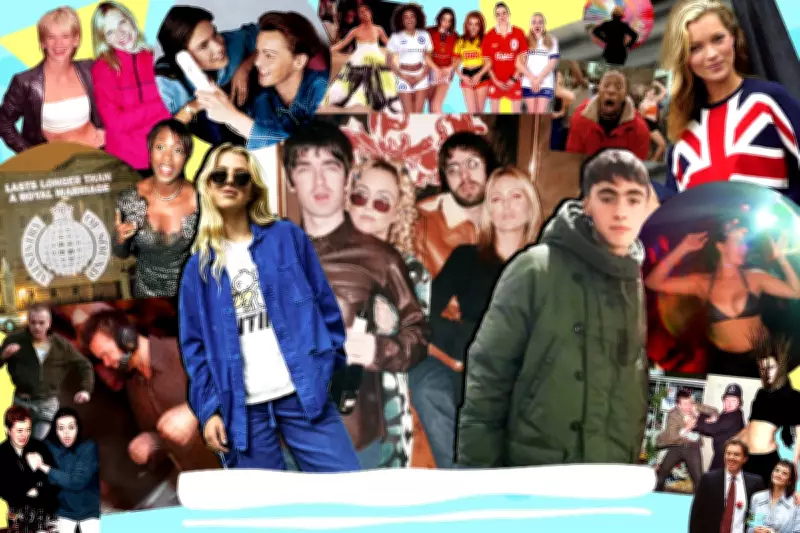
Ten Ways to Capture the True 1990s Spirit: Beyond Fashion and Tech
As the trend for all things 1990s continues to captivate younger generations, the decade's allure extends far beyond its iconic fashion and analogue technology. Stephen Armstrong, a Gen-Xer who lived through the era, explores the deeper mindset and cultural lessons that defined this period of relative peace and hedonism. From the fall of the Berlin Wall to the pre-9/11 world, the 1990s offered a unique blend of creativity, community, and rebellion that resonates today.
The Nostalgia Wave: More Than Just Aesthetics
The phenomenon of "going Nineties" has evolved into a sustained cultural movement, with social media feeds flooded with throwback posts and events promoting phone-free, authentic experiences. Even in New York, some youths treat smartphones like landlines, dubbing it "being Nineties." This nostalgia, growing since at least 2019, defies typical trend cycles, prompting questions about its enduring appeal.
For Gen Z, like Armstrong's daughter Tess, the decade represents a simpler, more present-focused life. "You didn't have smartphones; every experience was in the moment," she reflects. "You were who you were, wore what you wore, and saw your friends without the pressure to share online." She adds that the 1990s felt like a time when younger generations held more influence, with relatively youthful leaders setting the tone.

Cultural Celebrations and Memories
This year, institutions like the Barbican and Tate Britain are hosting exhibitions dedicated to the 1990s, featuring Spice Girls outfits, Oasis memorabilia, and works from artists like Damien Hirst and Vivienne Westwood. But was the decade as idyllic as remembered? Actor and singer Michelle Gayle, known for her 1994 hit "Sweetness," recalls it fondly: "Great nightlife, strong camaraderie, and less polarization. Black and white people mingled in clubs, connecting without the internet."
Musicians like Tjinder Singh of Cornershop and Jah Wobble of Public Image Limited highlight the era's freedom and creativity. Singh notes that music and politics intertwined, allowing diverse sounds like Punjabi folk to chart, while Wobble remembers a shift from the violence of the 1980s to a more accepting, surveillance-light society.
Ten Lessons for a True 1990s Mindset
To truly embody the 1990s, it's essential to adopt its core sensibilities, not just its style. Here are ten ways to capture the spirit:

- Create from Chaos: The decade emerged from the financial crisis of the late 1980s, with high mortgage rates and job losses. Seb Chance, who joined the free party collective Spiral Tribe, recalls how derelict spaces and government crackdowns on raves fueled creative unity and disconnection from leaders.
- Cause Trouble: The poll tax protests exemplified collective action. Without the internet, people organized to resist payment, leading to widespread demonstrations. This contributed to Margaret Thatcher's resignation in 1990, replaced by John Major's council tax in 1993.
- Go Out: Socializing in pubs and clubs was vital for mental health, as noted by Richard Benson, editor of The Face. Conversations with diverse viewpoints, often late at night, fostered genuine connections.
- Do Something People Disapprove Of: Countercultural movements, like raves, faced media backlash but thrived on it. Promoter Tommy Dumbarton recalls headlines like "Half-naked girls in acid house romp" doubling attendance, pushing mass media to adapt.
- Agree to Disagree: The era emphasized political correctness over cancel culture, focusing on politeness rather than division. As Singh says, "We've got more in common than not," encouraging partying with strangers.
- Be Private: In a pre-social media world, moments in bars and clubs often stayed unreported, preserving intimacy. Gayle laughs about witnessing famous people's antics that never leaked, highlighting the value of discretion.
- Live in an Odd Place: Budget airlines enabled travel to places like Ibiza and Prague, inspiring street cafes and bars back home. Today, creativity thrives in affordable cities like Berlin or Belgrade, offering similar discovery opportunities.
- Don't Moan, Do It Yourself: Communities organized events in African-Caribbean centres and working men's clubs, blending ages and music genres. Singh recalls DJing indie music alongside funk and soul, creating happy, inclusive crowds.
- Experiment: Street fashion flourished due to affordability, with shoots in modest flats using cheap 70s furniture. This DIY ethos gave rise to icons like Kate Moss and grunge, celebrating resourcefulness over luxury.
- Improvise: The decade was about communal experiences and spontaneity. Gayle describes "joyous chaos" from phoning friends on landlines and pitching up somewhere new, while Chance emphasizes that experimentation without judgment defined the era.
Ultimately, the 1990s offer timeless lessons in creativity, resilience, and human connection. As nostalgia persists, embracing these principles can help modern generations find meaning beyond mere retro aesthetics.