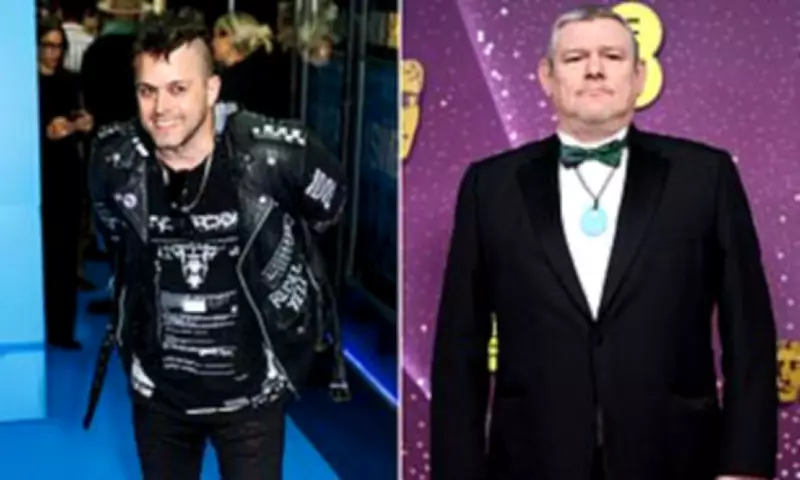
Big Brother Star Reveals Tourette's Community Abuse Following BAFTA Slur Incident
Reality television personality Pete Bennett has publicly disclosed that he and fellow members of the Tourette's syndrome community have encountered heightened abuse in the aftermath of the controversial incident at the BAFTA Film Awards. The controversy centers on John Davidson, whose life story inspired the film I Swear, involuntarily shouting the N-word during Sunday night's ceremony at London's Royal Festival Hall.
Broadcast Controversy and Community Backlash
BAFTA organizers and BBC executives have faced significant criticism for failing to edit the racial slur from the broadcast before it aired to millions of viewers on BBC One and remained accessible on iPlayer. Davidson, who has lived with severe Tourette's since childhood, expressed being deeply mortified by the outburst, which occurred as actors Michael B. Jordan and Delroy Lindo presented the evening's first award.
Pete Bennett, who won Big Brother in 2006 and himself lives with Tourette's, has questioned the BBC's decision-making process. "I believe the Tourette's community are being attacked too much following this situation," Bennett stated. "Like my own tics, his hold no malice. The daily struggle of living with Tourette's is something only those who experience it can truly comprehend, much like the deep pain caused by the N-word, which only black people can fully understand."

Medical Context and Public Reactions
Davidson's condition includes coprolalia, a symptom that causes involuntary utterance of socially inappropriate words or phrases. This same symptom led to a previous incident in 2019 when he shouted offensive language during an MBE ceremony with Queen Elizabeth II. Despite a two-hour broadcast delay implemented by the BBC, the BAFTA incident was not edited out before transmission.
The response has been sharply divided across public figures and organizations. Charity Tourette's Action emphasized that such utterances are not reflections of personal beliefs or character, while Django Unchained actor Jamie Foxx expressed outrage on social media, calling the incident unacceptable. Conservative Party leader Kemi Badenoch criticized the BBC for what she termed a "horrible mistake" and demanded explanations for the failure to bleep the language.
Broadcast Discrepancies and Aftermath
Contrasting editorial decisions have drawn additional scrutiny, as the BBC previously edited "Free Palestine" from filmmaker Akinola Davies Jr.'s acceptance speech during the same ceremony. Following the incident, Davidson chose to leave the auditorium early, stating he was "aware of the distress my tics were causing." Host Alan Cumming addressed viewers during the broadcast, explaining the involuntary nature of Tourette's tics and offering apologies for any offense caused.
Davidson later elaborated: "I have spent my life trying to support and empower the Tourette's community and to teach empathy, kindness and understanding from others. I can only add that I am, and always have been deeply mortified if anyone considers my involuntary tics to be intentional or to carry any meaning." The BBC has since removed the awards ceremony from iPlayer while editing out the offensive language, acknowledging it should have been removed prior to initial broadcast.
Bennett concluded with a poignant observation about shared struggles: "Both communities have fought tirelessly for acceptance and respect. Someone who has battled for acceptance wouldn't intentionally destroy their progress, especially not on live television." The incident has sparked broader conversations about disability representation, broadcast standards, and the complex intersection of involuntary conditions with socially harmful language.