Chappell Roan Incident Ignites Debate on Celebrity Boundaries and Fan Expectations
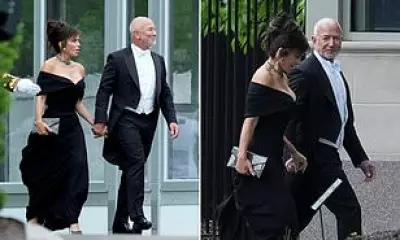
The entertainment world has been captivated this week by an incident involving singer Chappell Roan and a young fan, which has sparked significant discussion about the evolving relationship between celebrities and their followers. The situation unfolded when footballer Jorginho claimed that Roan's security guard acted aggressively toward his 11-year-old stepdaughter, who is the child of actor Jude Law and singer Catherine Harding.
The Incident and Immediate Fallout
According to Jorginho, the incident occurred during Brazil's Lollapalooza music festival when his stepdaughter spotted Chappell Roan at their hotel breakfast. The footballer alleged that after the child smiled at the singer, a security guard responded with "completely disproportionate" and "extremely aggressive" behavior toward his wife and child, even threatening to file a complaint with hotel management. Jorginho reported that his stepdaughter was left "extremely shaken and cried a lot" following the encounter.
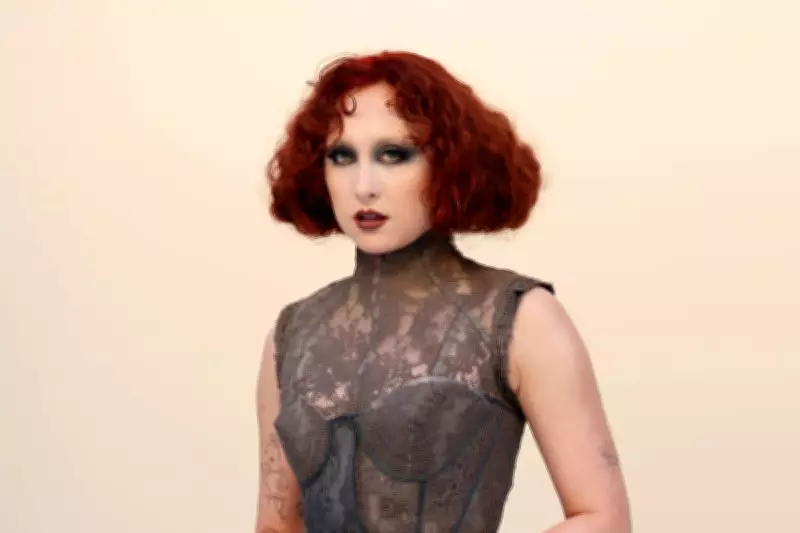
Roan, whose real name is Kayleigh Rose Amstutz, addressed the situation on social media, clarifying that the security guard involved was not her personal security and that she "didn't even see" Harding and her daughter during the breakfast. The "Pink Pony Club" singer emphasized: "I do not hate people who are fans of my music. I do not hate children. Like, that is crazy." She expressed sadness that the mother and child experienced such treatment and acknowledged they "did not deserve that."

The Broader Context of Celebrity Boundaries
This incident has revived important conversations about how accessible public figures should be to their fans, particularly as setting boundaries becomes increasingly common and necessary. Roan's rapid rise to fame has been marked by her vocal stance on maintaining personal space, with the 28-year-old recently stating she feels "the most unsafe I have ever felt in my life" and confronting paparazzi in Paris earlier this month.
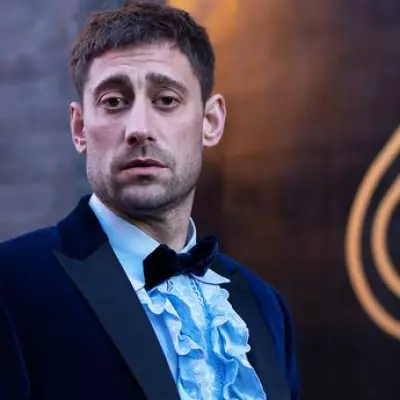
Music journalist and pop culture expert Michael Cragg told The Independent that many contemporary stars "don't feel as inclined to play the fame game" in traditional ways. He explained: "Fans have access to them via social media, which suggests an intimate connection but still also keeps them at arm's length and in some ways contained. However, that online world also takes a huge toll on celebrities via waves and waves of occasionally hateful, and often entitled, comments."
The Changing Dynamics of Fan-Celebrity Relationships
Cragg highlighted how technological advancements have transformed these interactions: "I think camera phones have really changed the game – being asked for an autograph is one thing, but often you see fans now not really even talking to the stars, but rather just demanding selfies or taking covert photos of someone having dinner. It can feel like being hounded, I'd imagine."
The expert noted that fans have become "emboldened by years on the internet" and sometimes feel entitled to real-life access because they believe they're responsible for an artist's success. Meanwhile, celebrities are increasingly recognizing that protecting their mental health requires establishing clear boundaries and creating distinctions between being "on" and "off" duty.
Historical Precedents and Shifting Public Attitudes
While intense public scrutiny has long been considered part of celebrity life, public attitudes have become more sympathetic in recent years. Stars from the 1990s and 2000s endured extreme exposure, with Britney Spears famously describing in her memoir how shaving her head in 2007 was an act of "pushing back" against relentless pressure.
Cragg observed: "Celebrity comes with a certain amount of intrusion. That's the way these things go, but also we're learning via people like Britney that things can go too far. If you can establish boundaries with your fanbase from the outset then oftentimes they'll understand and even protect you when it comes to paps, or newer fans stepping over the line."

The Career Implications of Boundary Setting
Despite some backlash Roan has faced for comments about fans in recent years, establishing boundaries doesn't necessarily damage artists' careers. Cragg explained: "You can't upset your fanbase because ultimately they did put you in that position and still hold a lot of power. But I do also think that a lot of fans are much more fame literate than they used to be and they get that people are human beings and that they aren't always 'on' and need space."
Other celebrities have similarly spoken out about fan interactions. Robbie Williams admitted last year to feeling "discomfort" and "panic" when approached for photos, while pop band MUNA called out "truly scary" fan behavior including cyberstalking and bullying in a previous Instagram post.
This ongoing dialogue reflects a fundamental shift in how society views celebrity culture, with increasing recognition that public figures deserve privacy and mental health protection despite their professional visibility. The Chappell Roan incident serves as a contemporary case study in these evolving dynamics between stars and those who admire them.