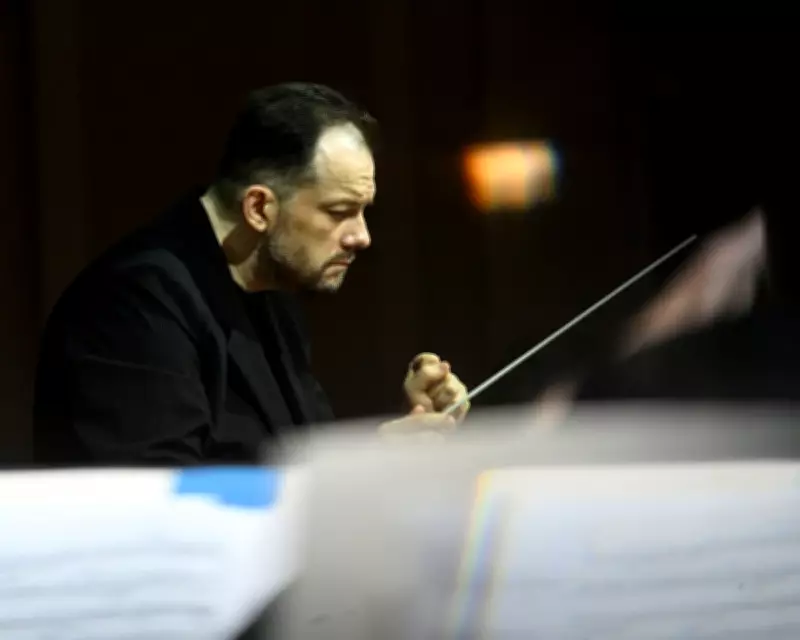
Andris Nelsons' Sudden Departure from Boston Symphony Orchestra
In a surprising turn of events, Andris Nelsons, widely regarded as one of the globe's premier conductors, has been shown the door by the Boston Symphony Orchestra. This move has sent shockwaves through the classical music community, raising questions about the underlying reasons for his exit.
Speculation Over Artistic Differences and Institutional Shifts
Sources close to the orchestra suggest that Nelsons' departure may stem from artistic differences with the management and board members. Over his tenure, Nelsons was praised for revitalising the orchestra's repertoire and enhancing its international prestige. However, insiders hint at potential clashes over future programming directions and budgetary constraints.
Additionally, there are indications that the Boston Symphony Orchestra is undergoing significant institutional changes, possibly aiming to realign its artistic vision. This could involve a shift towards more contemporary works or community-focused initiatives, areas where Nelsons' traditional approach might not have fully aligned.

Impact on the Orchestra and Classical Music Scene
The exit of such a high-profile conductor is likely to have profound implications:
- Reputational effects: The Boston Symphony Orchestra may face scrutiny over its handling of leadership transitions, potentially affecting donor confidence and audience loyalty.
- Artistic continuity: Nelsons' departure could disrupt ongoing projects and collaborations, requiring swift action to appoint a successor to maintain musical excellence.
- Broader industry trends: This event highlights increasing tensions in classical music between artistic innovation and institutional stability, a challenge faced by many orchestras worldwide.
As the search for a new conductor begins, stakeholders are closely monitoring how the orchestra navigates this period of transition. The outcome will not only shape the future of the Boston Symphony Orchestra but also offer insights into the evolving dynamics of leadership in the classical music sector.