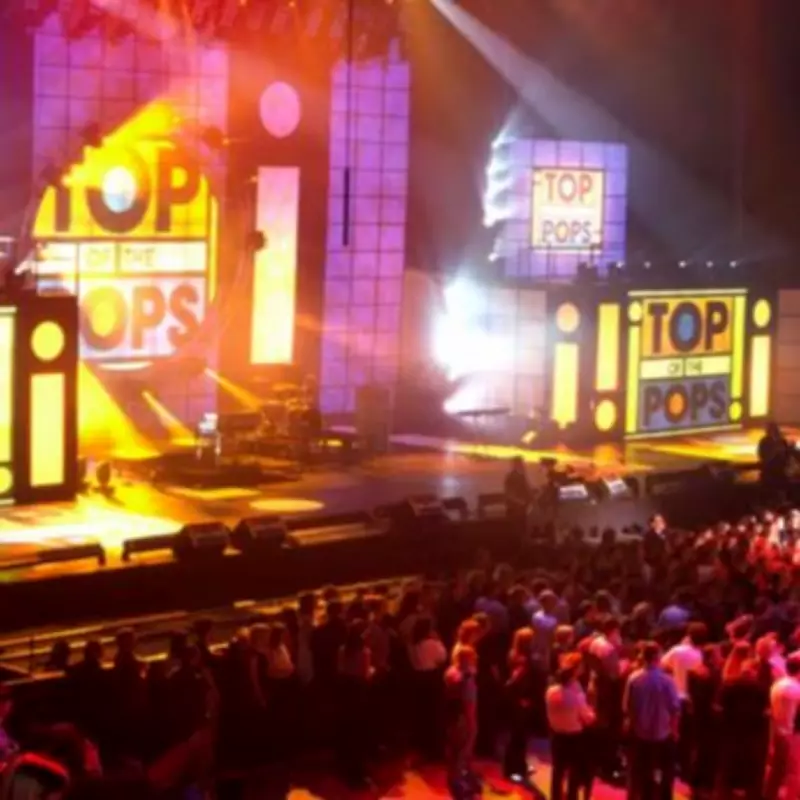
Rediscovering a 1999 Top of the Pops Episode: A Journey into Pop Music Nostalgia
Journalist and Editor Samantha Bartlett recently stumbled upon an iconic 1999 episode of Top of the Pops while tuning into BBC Four's Friday night repeats. The experience left her profoundly struck, not just by the cheesy pop tunes she loves as a 90s baby, but by the sheer concentration of iconic bands and hits packed into a single chart countdown.
The Enduring Legacy of Top of the Pops
Top of the Pops, the legendary British music show, officially concluded its 42-year run on July 30, 2006, with a special final edition titled The Final Countdown. Despite being off the air for nearly two decades, the BBC continues to broadcast repeats on BBC Four, keeping the show's memory alive for nostalgic viewers like Bartlett.
In this particular 1999 episode, presented by Gail Porter, the chart countdown featured an astonishing lineup of pop royalty. At number 12 were the Backstreet Boys with I Want It That Way, followed by Cartoons' quirky hit Doodah! at 11. The Chemical Brothers' Hey Boy, Hey Girl claimed the tenth spot, while boyband favourite N-Sync's Tearin' Up My Heart took ninth place.

A Chart Packed with Iconic Hits
The musical journey continued with Shanks + Bigfoot's Sweet Like Chocolate at number 8 and Baz Luhrmann's Everybody's Free (To Wear Sunscreen) at 7. Shania Twain's That Don't Impress Me Much held the sixth position, followed by Adam Rickitt's I Breathe Again at five. Madonna's Beautiful Stranger and Britney Spears' Sometimes secured the fourth and third spots respectively.
Just missing the top spot at number 2 was S Club 7's Bring It All Back, while the Vengaboys' infectious Boom, Boom, Boom, Boom!! claimed the coveted number one position. Bartlett noted that many of these songs were massive UK hits that literally everyone, including grandparents, would know all the words to.
Reflecting on Changing Music Culture
Bartlett was so moved by the episode that she shared the clip on her TikTok, sparking reflections on how music culture has evolved. She recalled how shows like Top of the Pops were once huge, with listening to the chart countdown being a regular part of weekly routines. Personal memories include running to the car with her sister on Sundays to hear the number one song on the radio during visits to their nan's house.
Today, Bartlett observes that few people seem to care about the charts apart from the artists themselves and their record labels. She expressed sadness that much of the fun has disappeared from contemporary music and charts, with fewer good pop bands emerging for younger audiences, aside from the current K-Pop phenomenon.
The Decline of Pop Bands and Nostalgic Revivals
The only pop bands achieving significant success today appear to be 90s acts making comebacks, such as Blue or Take That. Bartlett wonders if financial factors play a role, with record labels perhaps no longer investing as heavily in bands and acts as they once did. Regardless of the reasons, she clearly misses what she calls the glory days of pop music and cherishes the memories created by her favourite 90s artists.
This nostalgic trip through a 1999 Top of the Pops episode serves as a poignant reminder of how music consumption and cultural significance have shifted over the past two decades, leaving many to yearn for the communal excitement that once surrounded weekly chart countdowns.