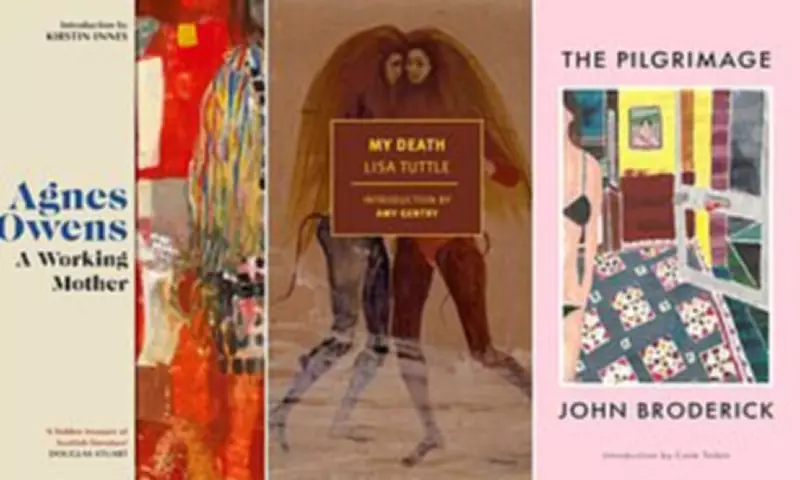
Three reissued novels offer a glimpse into different worlds of struggle, scandal, and feminism.
A Working Mother by Agnes Owens
Betty is married to Adam, a depressed, alcoholic war veteran who today would be diagnosed with PTSD. She argues with him and drinks. To support their two children, she takes a job in a law office, where she indulges her boss’s sexually inappropriate behavior by telling him stories about her life. She also has secret sex with Adam’s best friend Brendan. However, Betty lies and displays a cold detachment from her life and family. In a sudden twist towards the end, much of what we have read is called into question. Underpinning this black comedy is Owens’ authentic portrayal of 1950s working-class hardship, especially for women dreaming of escape.
The Pilgrimage by John Broderick
This novel was originally banned in 1960s Ireland because of its depiction of sexual desire, both homo and heterosexual, which shocked a society closeted by hypocrisy and shame. Julia is married to much older, wealthy but bedridden Michael and is having an affair with his doctor nephew, Jim. Michael, cared for by manservant Stephen, pins his hopes of a cure on a trip to Lourdes. Before they leave, letters arrive for Julia describing in detail her sexual antics with Jim. Who is sending them? And what is Stephen’s relationship to a young man who kills himself? Pulsating with passion, parochialism, guilt, and greed, this exposé of scandal and secrets is shocking and witty.

My Death by Lisa Tuttle
Tuttle is best known for her science fiction and horror novels, but this novella focuses on feminism. A widowed, unnamed writer living on Scotland’s west coast stumbles upon a portrait of Circe by Willy Logan, whose model was artist and author Helen Ralston. She decides to write a biography of Helen, reinstating her as a talent instead of simply a muse. During her research, she is given an erotic painting of Ralston, then interviews the now old lady and finds parallels between their lives emerge. Unsettling questions about grief, female sense of identity, truth, and fantasy remain unanswered yet linger in this sinister and strange book.