For generations, fiction written by women for women was often dismissed with a patronising sneer. That perception, famously encapsulated by George Eliot's 1856 phrase "silly novels by lady novelists", is finally being consigned to history. In a landmark move, the British Book Awards will recognise romantic fiction as a dedicated category for the first time next year, granting the genre long-overdue formal respect.
The Titans Who Defined a Genre
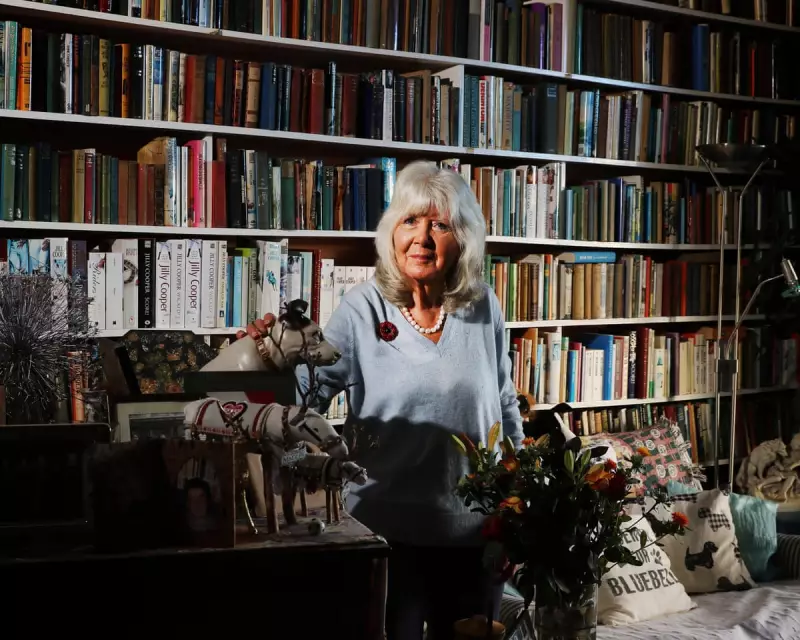
This pivotal moment arrives in the wake of profound loss for the literary community, following the recent deaths of two of its most beloved and influential figures. Joanna Trollope and Sophie Kinsella, who passed away just months after the loss of national treasure Dame Jilly Cooper, leave behind an extraordinary legacy. Together, these three authors produced over 100 books, sold millions of copies worldwide, and inspired numerous hit film and television adaptations, including last year's star-studded version of Cooper's 1985 novel Riders.
Their impact was so profound it created entirely new sub-genres. Cooper, alongside Trollope, became synonymous with the 'bonkbuster' or 'Aga saga', sprawling tales of sex, scandal, and country life. Kinsella, with her 2000 debut Confessions of a Shopaholic, rode the wave of 'chick-lit' pioneered by Helen Fielding's Bridget Jones, capturing a new generation of readers.

More Than Escapism: A Mirror to Society
Like Jane Austen—whose 250th anniversary was celebrated this week and who has been playfully called the original chick-lit novelist—these writers used the framework of romance to dissect their times. As contemporary author Sally Rooney has noted, the central stakes of the English-language novel have long been love and marriage. Cooper, Trollope, and Kinsella operated firmly within this tradition, but with a sharp eye for the social and economic realities of their eras.
Cooper's champagne-fuelled sagas perfectly distilled the competitive excess of the Thatcherite 1980s. Trollope's darker domestic dramas explored the changing contours of the modern family in English country towns. Kinsella's Shopaholic series spoke directly to young women navigating small flats and large overdrafts in the noughties, an era of cheap credit and thriving high streets. Their fiction, for all its entertainment value, served as a vibrant social chronicle.
Criticisms of their work are acknowledged—some of Cooper's portrayals now seem dated, Trollope's worlds are often financially comfortable, and Kinsella's novels romanticise shopping. Yet none of these authors pretended to high literary art. "I'm no lyrical stylist," Trollope once told The Guardian. Their shared goal was to comfort and entertain; to, in Jilly Cooper's words, "cheer people up".
A New Generation and Soaring Sales
Today, the desire for escapism and comfort ensures romantic fiction is not just surviving but thriving. While much of the publishing industry struggles, sales of romantic novels have skyrocketed since 2020. This boom is fuelled in part by passionate online communities like BookTok, which have brought new audiences and energy to the genre.
2023 saw the highest sales of romantic fiction since records began, driven significantly by the explosive rise of 'romantasy'—a blend of romance and fantasy. Rebecca Yarros's Onyx Storm was a standout, earning more than any other book in any category in the lead-up to Christmas. Alongside these new trends, established names like Emily Henry, Ali Hazelwood, Jojo Moyes, and Marian Keyes continue to deliver bestselling conventional romance, alongside hit debuts such as Jessica Stanley's Consider Yourself Kissed.
The message is clear: romantic fiction is a formidable economic and cultural force. The book world would be immeasurably poorer without its wit, heart, and keen social observation. Its belated recognition at the highest levels is not just deserved—it's a testament to the millions of readers who have always known its true value.