A compelling new argument has been made for a radical approach to adapting Emily Brontë's Wuthering Heights for the screen. In a letter published by The Guardian, reader John Starbuck contends that the novel's true structure demands it be filmed not as a single feature, but as a full-length trilogy.
A Novel Framed as Classical Drama
Starbuck's letter, published in response to an article by Samantha Ellis on 28 December, strongly agrees that Wuthering Heights is far from a conventional love story. He pushes the interpretation further, suggesting the book's architecture is fundamentally that of a Greek tragedy.
He notes that, much like the works of Aeschylus, the novel is structured in three distinct parts, with the final act delivering the revenge and resolution. This, he argues, aligns with the 19th-century convention of the "three-volume novel," a format used even for gothic horror tales of the period.

Parallels with Ancient Storytelling
The letter draws several specific parallels between Brontë's masterpiece and classical drama. Starbuck points out that the characters of Lockwood and Nelly Dean function much like a Greek chorus, narrating the bulk of the story to the audience.
Furthermore, he observes that most of the novel's infamous violence occurs offstage, reported rather than shown directly—another hallmark of Greek theatre. The setting, while often wild and otherworldly, remains fundamentally relatable, and the core tragedy springs from the young Cathy and Heathcliff's fateful declaration of unity, which ultimately damns them.
A Call for a Cinematic Trilogy
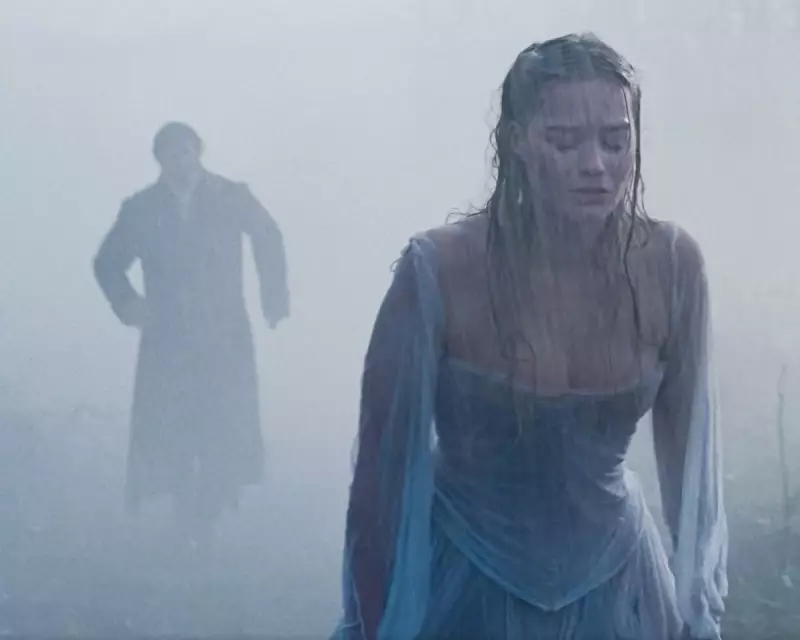
Bringing his analysis to a concrete conclusion, John Starbuck states that the entire epic should be filmed as a trilogy to do its complex structure justice. This call for a new adaptation comes with a vivid visual prompt: the letter is accompanied by an Alamy photograph depicting Margot Robbie as Cathy and Jacob Elordi as Heathcliff, under the caption 'Tempting Fate'.
The letter, signed from Lepton in West Yorkshire, adds a fresh scholarly perspective to the ongoing discussion about how to faithfully translate one of literature's most intense and enduring stories to the visual medium.