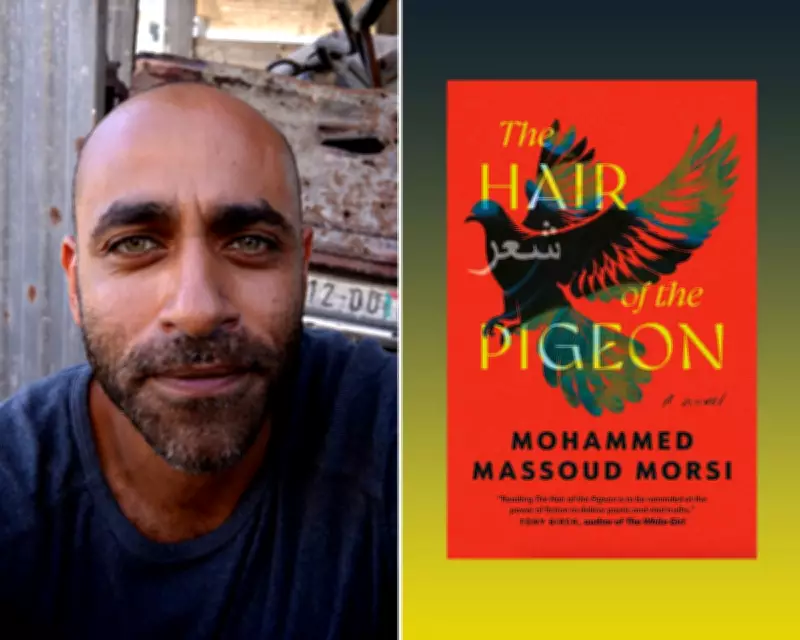
In a compelling literary debut, Mohammed Massoud Morsi's novel 'Hair Pigeon' has captured the attention of critics and readers alike, offering a profound exploration of identity and exile. Published in early 2026, the book weaves a narrative that delves deep into the human experience of displacement, set against a backdrop of cultural and personal turmoil.
A Tale of Displacement and Self-Discovery
The story follows a protagonist grappling with the complexities of belonging and heritage, as they navigate life in a foreign land. Morsi's writing is noted for its lyrical prose and emotional depth, painting vivid scenes that resonate with themes of loss, memory, and resilience. Through intricate character development, the novel examines how individuals reconstruct their identities when uprooted from their homelands.
Critical Reception and Themes
Reviewers have praised 'Hair Pigeon' for its nuanced portrayal of exile, highlighting Morsi's ability to blend personal narrative with broader social commentary. The book touches on issues such as cultural assimilation, the search for home, and the enduring impact of migration on family and community ties. Its title, 'Hair Pigeon', serves as a metaphor for the fragile yet persistent connections that bind people to their pasts.

Morsi, an author with a background in diaspora studies, brings authenticity to the subject matter, drawing from real-world experiences to enrich the fictional account. The novel has been described as both a poignant reflection on contemporary global movements and a timeless story of human endurance.
Impact and Literary Significance
As literary fiction gains traction in addressing pressing societal issues, 'Hair Pigeon' stands out for its empathetic approach to the challenges faced by displaced individuals. It contributes to ongoing conversations about identity politics and the immigrant experience, making it a relevant read in today's interconnected world.
With its release, Morsi has established himself as a voice to watch in the literary scene, offering insights that are both personal and universal. The book is expected to appeal to readers interested in diaspora literature, post-colonial studies, and stories of personal transformation.