The Doppelgänger Phenomenon: Why Doubles Dominate Modern Culture
Doppelgängers in Culture: From Fiction to Fashion

The Rise of the Doppelgänger in Modern Culture

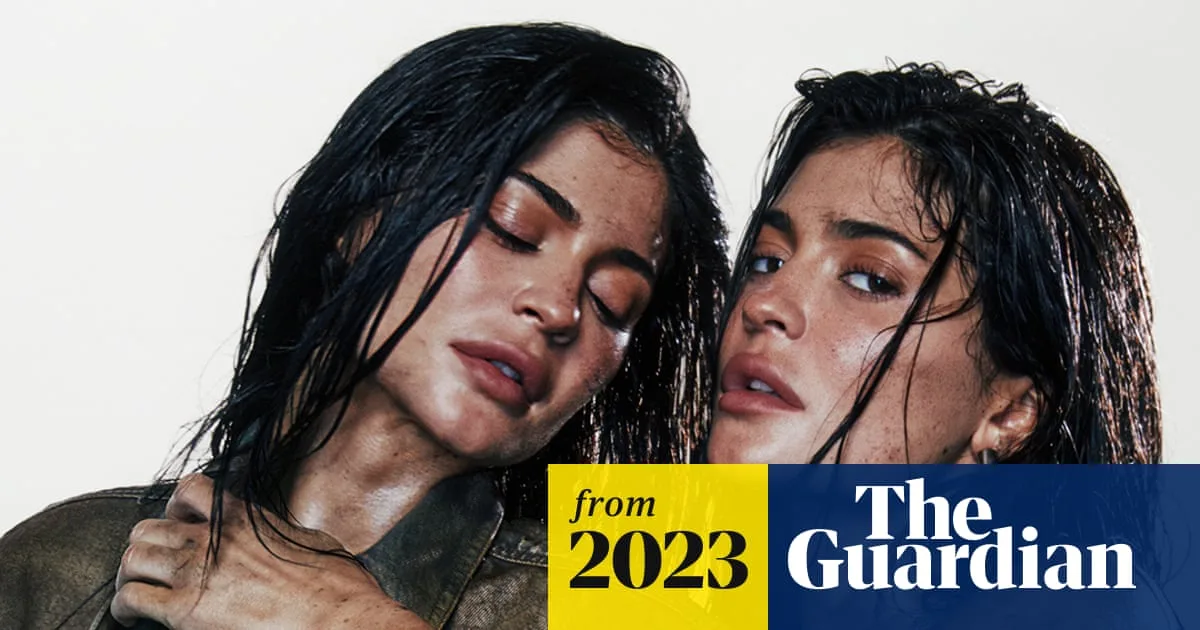
From luxury 'dupes' to literary doubles, the figure of the doppelgänger is haunting contemporary culture with unsettling frequency. This spectral presence manifests everywhere, from AI 'twins' and Mar-a-Lago lookalikes to Melania Trump impersonator conspiracies, proliferating particularly in a series of unsettling new novels that draw on rich gothic traditions to tap into our current climate of paranoia.

Uncanny Literary Encounters

Isabel Waidner's fifth novel, As If, opens with a chilling encounter between two bedraggled strangers, Aubrey and Lindsey, who bear striking resemblance to one another. "He had dark brown hair not unlike mine," Aubrey observes. "My unremarkable eyes they were looking back at me." This unsettling opener establishes a disquieting narrative that unnervingly overlaps with Lauren J Joseph's own new book, Lean Cat, Savage Cat.

Both novels draw protagonists from showbiz's lower rungs, employ fashion language in deliberately off-putting ways, and confront artistic myths with housing insecurity and wage instability realities. Crucially, both centre on mysterious pairs of doubles and were published on the same day, prompting the eerie question: does every book now have its own doppelgänger?

Cinematic and Fashion Doubles

The double has haunted screens since cinema's earliest days, appearing in classics like The Student of Prague (1913), Rebecca, Vertigo, and Black Swan. More recent horror films like The Substance and Get Out have put fresh spins on identity and celebrity themes. Sinners, featuring Michael B Jordan playing twin brothers, recently won three Baftas, while Famous, starring Zac Efron as a Hollywood heart-throb and his obsessive lookalike fan, is currently in post-production.

On fashion runways, Kate Moss's dead ringer, Denise Ohnona, walks shows and fronts campaigns "as" Kate, while H&M has created AI 'twins' of real models for advertisements. At Berlin fashion week, GmbH presented an autumn/winter collection explicitly titled Doppelgänger, cementing the trend's cultural prominence.

Digital Doubles and Political Doublespeak

Zooming out from arts reveals similar phenomena flourishing across society. Dupe culture thrives, with shoppers enthusiastically discussing how easily and cheaply they can purchase products that aren't explicitly fake but rather imitations of originals. The copy is developing independent currency, coinciding with what might politely be called political doublespeak.

Empty promises to deliver for ordinary working people mask policies siphoning wealth to the world's richest, while freedom of speech has become a strategy for the powerful to silence minorities. Not to mention Donald Trump's new Board of Peace, launched shortly after Pete Hegseth's rebranded Department of War, creating political doppelgängers of bureaucratic institutions.

The Digital Self Fragments

Online, we're equipped with digital doubles, posting filtered photos of curated lives we aren't actually leading. Most people use Instagram's "close friends" setting, and many maintain secondary "finstas" (fake Instagrams) for sharing overly personal content. Yet as we fragment online, we're simultaneously being cloned through data mining that generates second selves to track behaviour and target advertisements.

Dating apps suffer from rampant catfishing, where users upload others' photos or generate entirely fake profiles. The increasing prevalence of online conspiracies and fixations with body doubles and false flag attacks express the same underlying unease. As Naomi Klein observed: "Conspiracy theorists get the facts wrong but often get the feelings right."

Historical Roots and Psychological Underpinnings

This world of endless doubling isn't new. The doppelgänger first appeared in Jean Paul's novel Siebenkäs (1796-1797) and has remained an almost constant companion since. From gothic touchstones like Edgar Allan Poe's William Wilson, Charlotte Brontë's Jane Eyre, and James Hogg's The Private Memoirs and Confessions of a Justified Sinner to modern classics like Nabokov's Despair and Muriel Spark's The Ballad of Peckham Rye, the double has outpaced every trend.

In these novels, doubles frequently embody unacceptable, inexpressible desires and impulses. Brontë gives Jane Eyre an anima figure in Bertha Mason, a shadow self expressing what Jane cannot. Conversely, Poe's licentious William Wilson's doppelgänger tries preventing further wickedness but ends up dead. Hogg's dual narrative features a repressed protagonist led to damnation by the devil appearing as his exact likeness.

Freud's seminal essay Das Unheimliche (1919) posited this nightmare figure as the product of our inability to fully grasp mortality. The eternal soul's promise of everlasting life allows overcoming death fear, Freud wrote, but this fear returns to haunt us in mirror images, twins, and doppelgängers.

Contemporary Paranoias

Reading As If proved particularly unsettling because it suggested that, despite knowing the creative process, Waidner and Joseph were working on the same project simultaneously. Perhaps they were standing over each other's shoulders while writing. Perhaps they're the same person.

Such paranoias might once have been accommodated by worldviews encompassing witchcraft, phantoms, and fortunetellers. Today, we have corporate espionage and data leaks to explain the sinister feeling that someone else looks back each time we unlock phones with face ID. Our multiple digital identities offer limited escape, and our fears will always chase us. Movies and books will doubtless remain populated with doubles, and when the boogeyman finally puts his hand on our shoulder, he's going to look just like us.