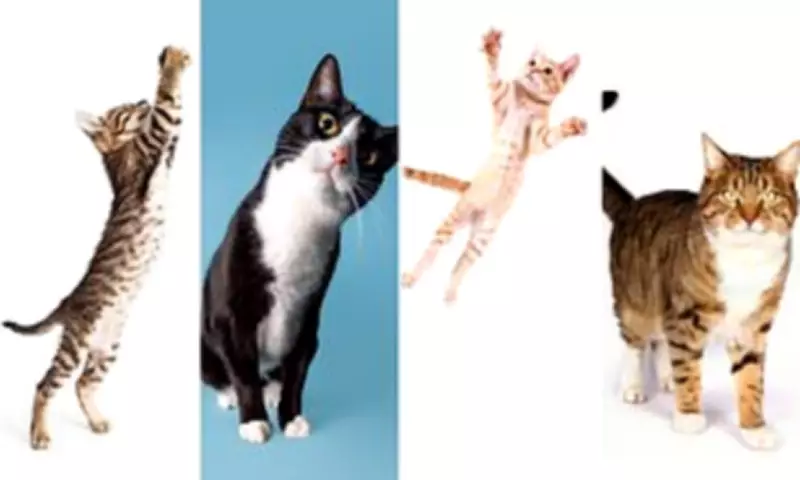
The enigmatic nature of black cats has long sparked debate: are they harbingers of good fortune or bearers of ill luck? This question finds varied answers across cultures, as explored in the beautifully illustrated new book by folklorist Willow Winsham, Curious Cats and Fantastical Felines. From Japan to Turkey, and across England's counties, superstitions paint a complex picture of these mysterious felines.
Global Perspectives on Black Cat Luck
In Japan, a black cat crossing your path is considered a sign of impending good fortune, a belief that contrasts sharply with traditions in Turkey. There, such an encounter is viewed as an omen of bad luck, though locals have a quirky antidote: immediately touching something black, even if it's just your own hair, is said to counteract the misfortune. In England, the interpretation remains divided. For instance, in Cornwall, meeting a black cat on your wedding day promises decades of marital happiness, while in nearby Somerset, the same event is thought to foretell an imminent divorce. This regional variability highlights how deeply ingrained and localized these superstitions can be.
Folklore and the Origins of Catkin Tales
Winsham's book delves into fascinating stories from around the world, such as the Polish legend explaining the name "pussy willow." According to popular lore, three drowning kittens once grabbed onto an overhanging willow tree by a fast-moving river, managing to pull themselves to safety. In commemoration, the willow now grows tiny, soft grey buds each year. A bleaker Scandinavian version suggests the kittens sought shelter from a harsh winter in a willow tree, perishing but leaving their tails behind to ensure they were never forgotten. Alternatively, the connection might be purely linguistic, as the word "catkin" derives from the old Dutch term for kitten, "katteken." These tales showcase the rich tapestry of cat-related folklore that persists across generations.

Historical Incidents and Enduring Beliefs
Some superstitions can be traced to specific historical events. In January 1791, the Annual Register reported the death of an 18-month-old toddler from Plymouth, with the coroner ruling the child died "in consequence of a cat sucking its breath." This belief in cats being hostile to babies has proven surprisingly enduring. As late as the 1980s, a woman from London claimed her baby was stillborn because a cat "went over me" during her pregnancy. Winsham, a devoted cat enthusiast, counters such notions, asserting that cats often adore babies and see themselves as helpful in childcare. Her book intentionally avoids stories of cats being tortured or slaughtered, such as those from the Middle Ages when cats were suspected of consorting with "witches"—lonely old women who aroused suspicion simply by doting on their pets.
Modern Celebrations and Cat Adoption
Today, cats are overwhelmingly cherished and celebrated, as evidenced by events like the annual celebration at the Winter Palace in St Petersburg. This gathering honors the approximately 80 cats living in the palace basement, descendants of felines introduced by Empress Elizabeth in the 1700s to control rodents. Now, these cats are minor celebrities, cared for by three dedicated caretakers and even boasting their own press secretary. Every March, "Cat Day" attracts thousands of tourists who flock to pay homage. For those unable to leave empty-handed, a more permanent arrangement is available: all the Winter Palace cats are up for adoption, offering a loving home to these historic felines.
Through Curious Cats and Fantastical Felines, Winsham provides a captivating exploration of how black cats and their kin have woven themselves into the fabric of global culture, from ancient superstitions to modern-day adoration. The book is available now from the Mail Bookshop, inviting readers to uncover the whimsical and sometimes eerie tales that define our relationship with these beloved animals.