Supreme Court Weighs Ending TPS for Haitians and Syrians

The Supreme Court is set to hear arguments on Wednesday regarding the Trump administration's efforts to terminate Temporary Protected Status (TPS) for Haitians and Syrians, a move that could affect thousands of migrants currently residing legally in the United States.

Background on TPS

Temporary Protected Status is a humanitarian program that allows migrants from designated countries already in the U.S. to remain and work in 18-month increments, provided the Secretary of Homeland Security deems their home country unsafe for return due to ongoing armed conflict, environmental disasters, or other extraordinary conditions. Since President Donald Trump began his second term, the Department of Homeland Security has ended protections for 13 of the 17 countries originally designated, exposing their migrants to potential deportation.

The current case focuses on whether the administration properly assessed conditions in Haiti and Syria when it terminated TPS, and whether the decision was prejudiced against non-white immigrants.

Wide Pickt banner — collaborative shopping lists app for Telegram, phone mockup with grocery list

Key Developments in the Case

New DHS Secretary Named in Lawsuit

Initially, the lawsuit targeted former Homeland Security Secretary Kristi Noem. However, after her dismissal, the new secretary, Markwayne Mullin, automatically became the named defendant. This practice is standard, as lawsuits typically follow the head of the agency, even if the events predate their tenure. For instance, during the first Trump administration, advocates sued then-Secretary Kirstjen Nielsen over TPS terminations, but by the time the case concluded six years later, it was Biden's Secretary Alejandro Mayorkas who was listed in the suit.

The Temporary Nature of TPS

Conservatives have long criticized TPS for becoming de facto permanent, citing designations like El Salvador's, which began in 2001 after earthquakes and has been repeatedly extended. Immigration advocates counter that there is no time limit on TPS and that the administration is attempting to return people to countries still in turmoil.

Conditions in Syria

According to the United Nations High Commissioner for Refugees (UNHCR), as of March 2026, 15.6 million Syrians require assistance. While over 1.5 million refugees and 1.8 million internally displaced persons have returned since December 2024, internal displacement remains high at 5.5 million, indicating a fragile system with limited capacity to absorb returnees.

Conditions in Haiti

Haiti has been without a president since Jovenel Moïse's assassination in July 2021. The government hopes to hold elections by year's end, but experts doubt this due to escalating gang violence. The International Rescue Committee (IRC) reports grave protection risks and collapsing public services, with millions facing food insecurity, forced displacement, and disease outbreaks. “Public services in many areas have collapsed under gang rule,” said Alice Ribes, IRC's emergency country director in Haiti.

Legislative and Advocacy Efforts

House Bill to Protect TPS

On April 16, the House passed a bipartisan bill requiring a three-year extension of TPS for Haitians, overcoming GOP leadership opposition. However, the bill faces uncertainty in the Senate, and President Trump is likely to veto it.

Democratic Lawmakers Urge Supreme Court Support

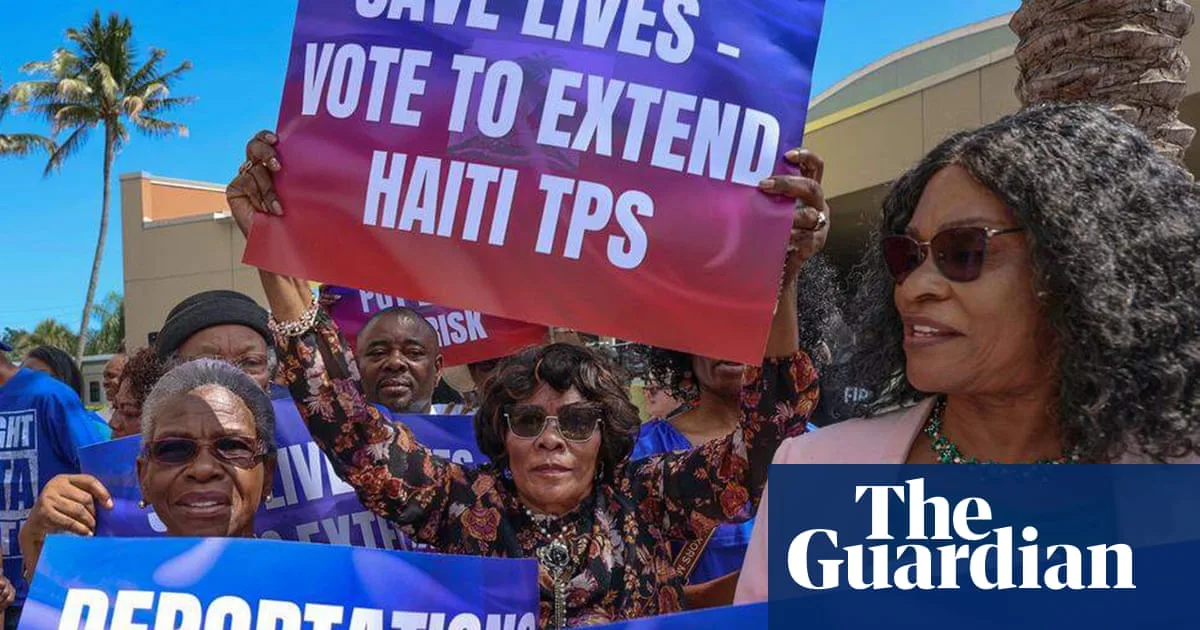
Senator Edward J. Markey, Congresswoman Ayanna Pressley, Senator Lisa Blunt Rochester, and Congresswoman Debbie Wasserman Schultz, along with coalitions like the American Business Immigration Coalition and National Domestic Workers Alliance, urged the Supreme Court to reject the administration's TPS termination. “TPS holders serve as a backbone for families and our economy,” Pressley stated. “Our message to the Supreme Court today is simple: do your job, uphold the law, save lives, and protect our communities.”

Pickt after-article banner — collaborative shopping lists app with family illustration

Arguments from Both Sides

Administration's Position

The administration argues that conditions in Haiti and Syria have improved sufficiently for TPS holders to return safely. However, advocates point out a contradiction: the State Department warns U.S. citizens not to travel to these countries due to violence and instability. “The administration is essentially arguing two things at once: that these countries are too dangerous for American tourists, but safe enough to deport families to,” said Krish O’Mara Vignarajah, CEO of Global Refuge.

Advocates' Perspective

Immigrant advocates contend that the termination is part of a broader policy to deport legal residents. “By trying to kill TPS, they are attacking people who are living and working here legally,” said José Palma of the National TPS Alliance. Viles Dorsainvil, a Haitian TPS holder, emphasized that “TPS provides dignity, stability, and hope... the ability of families to stay together.”

The Public Rights Project filed an amicus brief on behalf of 47 local governments, highlighting the economic and public service impacts of revoking TPS.

Court Proceedings

The court has allocated 80 minutes for arguments, though they may extend to two hours or more. Justice Clarence Thomas, the longest-serving member, will pose questions first, followed by Chief Justice John Roberts. The session begins at 10 a.m. Eastern, but the livestream will start after the justices issue a decision in a previous case and swear in new lawyers to the Supreme Court bar.