When the Hacienda first opened in 1982, it quickly became an acid house stomping ground, and what many would call the birthplace of Madchester. Known as the 'people's palace', the shadow of the hedonistic spot still looms large over the city's nightlife 30 years on from when it closed. But while in Manchester you're never far away from something painted black and yellow, what does the Hacienda's prevalence say about the health of the city's underground nightlife today?
Set in what is dubbed by some as the city's Strange Quarter, last month the White Hotel announced it would be closing its doors. The huge redevelopment of Strangeways, it would seem, had no room for a ramshackle underground music venue in a former car repair garage.
Remembering the Hacienda
"They do say that if you can remember being at the Hacienda, then it's possible that you weren't really there," Geoff Oakes, who founded the Renaissance electronic music brand and record label in the 90s, recalls. "But I pretty much spent my entire week there - for those who were regulars, it felt like it was our own little secret for a while. There was always a point in the night when it felt like a light switch had been flipped and the whole dancefloor just erupted. It was just a moment that happened every single week. I had never seen anything like that before. It was kids on the dancefloor living in the moment."
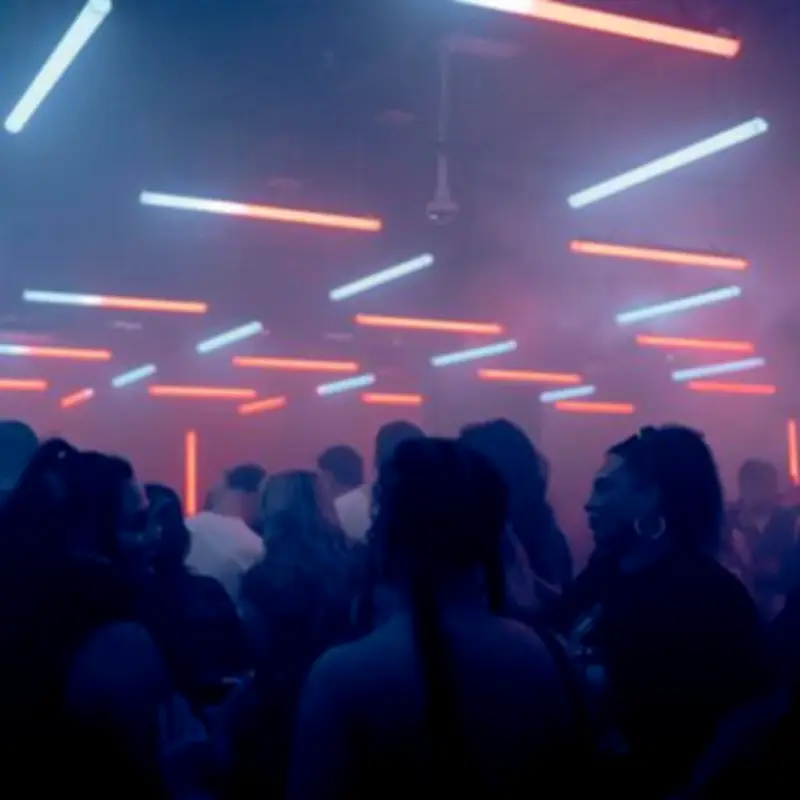
Depending on who you speak to, some people in Manchester might even go as far as to say that clubbing has never been the same since the Hacienda - with venues and promoters long chasing that attempt to once again live in the moment on the dancefloor. But the likes of Sankey's, Warehouse Project, The Loft, Amber's, Hidden, The White Hotel and Parklife have played - and continue to play - a massive part in Manchester's clubbing story.
Sankeys Returns
Sankeys, having first emerged in an Ancoats soap factory back in 1994, earned a reputation for its raw underground vibes and - long after the Hac shut down - was the place to be for more than two decades. "Sankeys had cutting edge and it had staying power," club promoter Wilf Gregory, who played at the club in the 80s and 00s, explains. "The club made no qualms about it wanting to be new and support new talent. It had top sound equipment, it was a really good experience and it just had all the factors for an amazing place to be."
Earlier this year, after a nine-year hiatus, the club made a return with a new 500-capacity venue in the city centre with Wilf fronting the new era. For some, it served as a reunion with an old friend, but for others, it introduced a whole new crowd to the Manchester institution. "Sankeys has become a household foundation, it's like Cream, Fabric or Ministry," Wilf explains. "Somebody was always going to bring it back, it was just a case of doing it the right way. We've got those time capsule foundations which get people in, but then we've tried to create a whole new experience too."
In its first year back, Sankey's has hosted the likes of Felix Da Housecat, Idris Dee, Lauren Lo Sung, Luca 606, Josh Butler and Steve Lawler. Its final event of the season at its Sidney Street venue, on June 27, will feature an unnamed line-up and will continue with its no phones policy which was introduced at the start of its return.
No Phones, No Line-Ups
"I've been a DJ for 30 years now, and I have noticed how the no phone policy definitely makes things better for people," Wilf explains. "One of the key distractions in life is taken away and people suddenly feel a bit more free to be themselves. People get more immersed in things. Our policy of not always saying who was on also helped loosen up people's expectations - people came for the music and the atmosphere rather than one particular artist. I think having that trepidation of the unknown also adds to the experience too - it's a little bit exciting, it gives you a tingle in your stomach."
Another one to implement the no phones, no line-up policy - and perhaps the one to really lock-in the move in Manchester - is Amber's, on Oxford Road. Launched at the start of 2025, the club was nominated for Best Club at the DJ Mag Best of British Awards 2025 - being ultimately pipped to the post by fellow Manchester venue The Loft. "We are by no means the first venue to do no-phones, it's pretty much common in all of the big clubs across Europe," Amber's co-founder James 'Hutch' Hutchins tells the M.E.N. "But the intention behind the unannounced line-ups was really for us to take it back to the old days. It adds a sense of mystery and takes away the pressure of the DJs. It creates a real impact on the dance-floor."
The co-founder says the policies did initially lead to some questions from attendees initially, but he says they all come round to the idea in the end. And it's helped draw in big names like Skream and Fred Again… who - through a mix of unannounced and scheduled dates - have been able to play special sets at the venue.
Is Clubbing Dead?
"Clubbing is definitely not dead," Hutch says when asked if he agrees with a message often shouted out by some of the loudest voices online. "I think there are different trends and sounds happening - and that will always happen and change over time - but lots of people still go raving and look to it as a form of community and belonging."
Asked what is changing, Hutch admits that people are less inclined to buy tickets in advance - which puts venues and promoters at a slight disadvantage. "I do think that people's ticket buying trends may need to change," he explains. "People buy at the very last minute. That does make it harder for promoters to gauge interest. It's tough, it's certainly not an easy industry, but we don't do what we do because we want it easy."
DJ, promoter and creative director Niall Roche, who fronts the Do As You Please record label, online vinyl store, collective and events platform, said another change in clubbing is that people are becoming more health conscious, which is not a bad thing. Alongside a bigger emphasis on low-and-no alcohol options, daytime and outdoor raves - offering chances to bask in natural surroundings - are also becoming more popular.
One such offering on October 10, from Renaissance's Geoff alongside Daz Derry, will see Victoria Baths host a new 'grown-up, immersive daytime event' in the form of Escapism, featuring sets from Deep Dish, DJ Smokin Jo and Pattn. Elevating the club experience with high-quality food and drink stalls, Geoff says it aims to cater to what an older crowd want from their clubbing experience right now. "The idea of going to a party and not having to be up all night and come home when the birds are singing is something that is really appealing to people," he explains. "Clubs are typically dark, crowded spaces, and the moment you're sat in this beautiful historic building, it feels different - it's special, it's slightly more decadent."
Challenges Facing Venues
Last month, it was announced the White Hotel - set in a former car repair garage near Strangeways - would be closing its doors after 11 years. Bosses of the 300-capacity venue said they intend to close in January next year after their building was found to be located within a flood-risk zone. It was also recently announced that Northern Quarter bar, music venue and nightlife spot Stage & Radio has issued a plea to survive following plans to turn the land next to it into flats - expressing concern that they will be subjected to noise complaints similarly to how the Night & Day café in the Northern Quarter was affected. Bosses said they had 'serious' fears that future issues could affect 'Manchester's and the UK's wider grassroots music and cultural ecosystem'.
In its report of the last year, the Music Venue Trust (MVT) found that grassroots music venues in 175 towns and cities had shut in 2025 and the sector remained 'structurally fragile' with less than half of the country's such venues making a profit. Despite this, the sector contributes over £500m annually to the economy.
"Maybe there is the idea that people don't go clubbing as much as they used to," Sankeys' Wilf explains. "Back in the day, you could go out for £20. Nowadays, after you buy cigarettes, get a taxi, have a few drinks, and get tickets, £200 is gone just like that. We try to be as affordable, but the experience is so important now so that people feel its worth their money. It's about creating something they can't just have anywhere else. That's what we're all trying to do."
Manchester's Thriving Scene
Do As You Please's founder Niall, who performs as Joe Roche, said he believes one of the reasons that Manchester has managed to thrive as a top clubbing destination - with the city listed as the sixth biggest ticket seller last year on events platform Resident Advisor - is because venues have seen the value in investing and hosting club nights and making it affordable for artists to play such events. "There's never enough budget for the people who need it most," he explains. "The systems of being booked for gigs don't always work in everyone's favour - there does need to be a bit more give and support for those trying to make a name for themselves. But, creatively, as a city, there are great opportunities here. Factory does great things, we have an Arts Council office here, I'd say we're doing the best in the UK outside of London for the music industry. I would even go as far to say that we might be more attractive than London in a few ways right now.
"As a place to go clubbing, Manchester is truly excelling right now. There's a huge bed of talent in this city that we should be exporting more, for sure. I think we sometimes lack the infrastructure of agents and managers, like you have in London and New York, who can really help represent and take artists to the next level, but we do have the likes of Interplanetary Criminal, Connecting Dots, Animal Crossing and Josh Baker with You&Me who are just elevating this talent and really hyping it up on a massive scale. It shows that the people here care about each other."
"There are so many different pockets in Manchester that you can just have a different experience wherever you go," Wilf, of Sankeys, adds. "Not every city is that fortunate and that's what helps make Manchester special, I feel."
Renaissance's Geoff adds: "The thing with Manchester is that the musical identity of the city has always spoken for itself. I still think that the past and present cultural journey of Manchester is a huge part of why people want to come and visit this city. That itself keeps this unique energy alive - whether it's the Warehouse Project boldly claiming 'this city is ours', Sankey's returning, or the likes of Joshua Brooks and The Loft showing how it's done. It helps build this really healthy and vibrant scene in Manchester that's steeped in history but also makes way for this new generation of clubs too. And people recognise that - that's why this city is so popular."