Wigmore Hall Celebrates 125 Years as London's Premier Chamber Music Venue
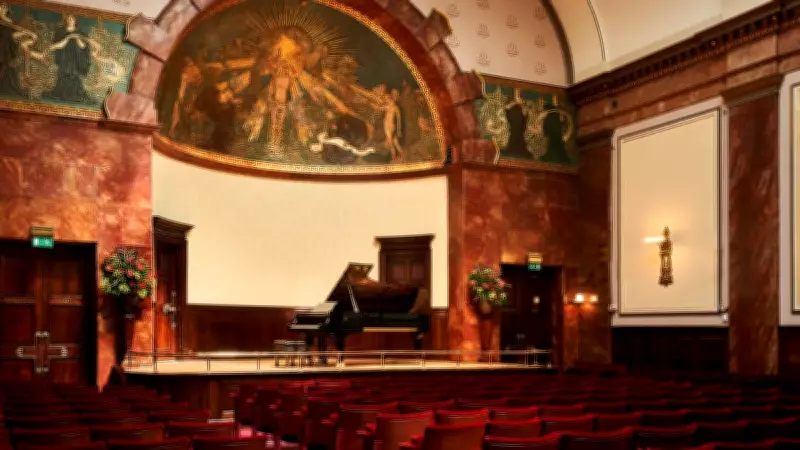
This spring marks a significant milestone for one of London's most cherished cultural institutions. The Wigmore Hall is celebrating 125 years since its opening as a dedicated space for recitals and small-scale ensembles. The venue, which holds 550 listeners, is renowned for its intimate acoustic environment that would be compromised by larger orchestras.
From Bechstein to Wigmore: A Historical Transformation
The hall originally opened as Bechstein Hall, serving as a demonstration space for the quality of Bechstein pianos sold in the adjacent shop. Today, Bechstein maintains a modern showroom further up the street, with Steinway's establishment just across the road. The venue's name changed to Wigmore Hall during World War Two when German-sounding names became targets of public antagonism, taking its new identity from the street where it stands.
Despite this rebranding, the hall has consistently attracted the finest musicians throughout its history, as evidenced by the array of signed photographs displayed in the backstage green room.

Overcoming Challenges and Achieving Independence
The 1970s represented a relatively barren period for the venue, but since that time, its reputation as a premier centre for chamber music has grown steadily. Today, the hall typically hosts two concerts daily, with attendance consistently strong, though not always sold out.
This sustained success has placed Wigmore Hall in the enviable position of being able to refuse grants from Arts Council England. Management determined that the conditions attached to such funding would compromise the artistic freedom essential to the hall's programming decisions.
Nurturing Emerging Talent Alongside Established Stars
While the venue regularly features star performers, it plays an equally vital role in establishing the reputations of emerging artists who may not yet have developed a substantial London following. The hall promotes many concerts independently while partnering with organizations like the Young Concert Artists' Trust (YCAT), founded over forty years ago to mentor select talented newcomers annually.
Recent performances have showcased this commitment to emerging talent. Pianist Ignas Maknickas, who has collected numerous competition prizes across Europe, performed a lunchtime concert on March 24th. His interpretation of Robert Schumann's Kinderszenen effectively captured both the playfulness and minor tragedies of childhood perception. While his renditions of Lithuanian composer Mikalojus Ciurlionis's Preludes showed technical competence, they lacked the originality found in his more assured performances of Chopin's waltzes and nocturnes.
Vocal Excellence from Emerging International Artists
French mezzo-soprano Marianne Crebassa, accompanied by pianist Joseph Middleton on March 25th, demonstrated remarkable vocal maturity despite not yet being a prominent name in Britain. Her rich, dark mezzo voice brought gorgeous tones to Debussy's Chanson de Bilitis while conveying the stark desperation of Mahler's Kindertotenlieder. The latter provided grim contrast to the life-affirming warmth of Schumann's piano pieces performed earlier in the week.
Crebassa demonstrated particular understanding of how to evoke emotional responses to the grief in Friedrich Rückert's texts, with Ravel's Five Popular Greek Melodies providing welcome relief from the emotional intensity.
125th Anniversary Festival Highlights
The official festival period for the 125th celebrations will run from Monday, May 25th to Sunday, June 7th. The opening gala will feature Joseph Middleton alongside composer Thomas Adés, violinist Alina Ibrogimova, and singers Cédric Tiberghien and Louise Alder. Middleton will also partner with soprano Carolyn Sampson on June 14th.
Other festival highlights include concerts by two octogenarian heroes of the early music movement: Jordi Savall directing Hesperion XXI in works by Monteverdi (May 26th-27th) and William Christie with Les Arts Florissants performing Handel's chamber opera Acis and Galatea (June 1st). The festival concludes on June 7th with Christian Tetzlaff celebrating his 60th birthday by performing Bach's sonatas and partitas for solo violin.

The oblong hall, which faces a recess reminiscent of a church apse and features a beautiful gold mosaic of a figure reaching for the sun, continues to be the London venue that classical musicians most love to perform in. As it enters its 126th year, Wigmore Hall maintains its position as an essential institution in London's cultural landscape, balancing historical tradition with contemporary artistic vision.