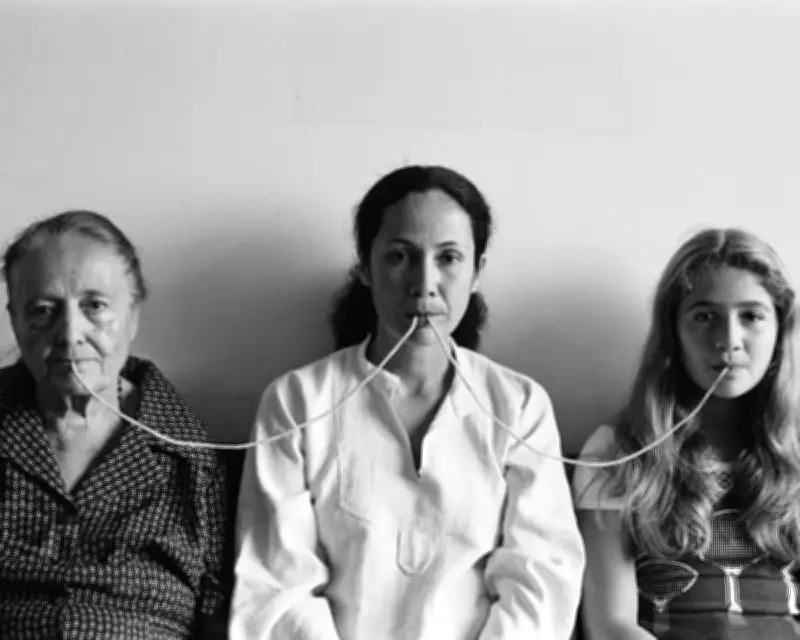
The Coming of Age: A Deep Dive into Modern Ageing at Wellcome Collection
A new exhibition titled The Coming of Age is set to open at the Wellcome Collection in London, offering a profound exploration of ageing in contemporary society. This thought-provoking showcase features a diverse range of artifacts, from Japan's symbolic sake cups for centenarians to Sam Taylor-Johnson's time-lapse film of decaying fruit, challenging visitors to reflect on the paradoxes of growing older in an era where lifespans are extending.
Centenarian Traditions and Modern Realities
The exhibition begins with a striking object: a pure silver sake cup, part of Japan's tradition of honoring citizens who reach 100 years of age. Introduced in 1963, these sakazuki cups were initially awarded to 153 individuals. However, as the number of centenarians surged, the government reduced the cup's size in 2009 and later switched to a cheaper nickel-silver alloy in the mid-2010s to manage costs. Curator Shamita Sharmacharja notes, "it's better than a letter from the king!", highlighting the cultural significance and evolving attitudes towards the elderly.
This silverware serves as a metaphor for modern societal views on ageing, where older generations are revered for their wisdom and unpaid contributions, such as childcare, yet simultaneously viewed as vulnerable and a financial burden on state pensions. Sharmacharja encapsulates this duality, stating, "people want to live for ever, but they don't want to get old". With projections indicating that one in 10 boys and one in six girls born in the UK today may live past 100, the exhibition arrives at a critical time as anxieties about ageing intensify.

Artistic Reflections on Age and Mortality
The exhibition reassures that concerns about ageing are not new, featuring historical pieces like Sebald Beham's The Fountain of Youth from the German Renaissance, which depicts elderly figures rejuvenated by a mythical elixir. This contrasts sharply with memento mori artifacts, such as Charles Darwin's skull-tipped walking stick and Sam Taylor-Johnson's 2001 film Still Life, showing fruit decaying over time, symbolizing the inevitable process of ageing and decline.
In a departure from human-centric perspectives, Maija Tammi's work Immortal's Birthday explores regenerative freshwater organisms called hydra, questioning the concept of time without ageing. The exhibition also moves beyond biological definitions, addressing how the COVID-19 pandemic highlighted societal inequalities in health and equity, which widen from birth onwards.
Challenging Stereotypes Across Generations
A section titled Acting Your Age? focuses on younger generations, featuring portraits of teenagers from West Yorkshire involved in the Born in Bradford study. This research, part of the Age of Wonder project funded by the Wellcome Trust, uses questionnaires and youth engagement to challenge stereotypes of juvenile immaturity.
Artist Serena Korda's sculptures and soundtrack, Wild Apples, reappropriate folkloric figures like the crone through a feminist lens. Inspired by her perimenopause experience, Korda critiques the gender health gap and invites women to model for her work, aiming to dismantle the male gaze in art history. She remains skeptical of superficial public discussions on menopause, questioning societal expectations for women to maintain youthful appearances into their 60s.
Technology, Care, and Intersectional Ageing
The exhibition also examines the intersection of ageing with disability and care. Rory Pilgrim's Software Garden, a multitrack music video from a decade ago, features a robotic companion and explores technology's role in fostering compassion. Pilgrim emphasizes the need for technological systems that connect people rather than divide them, advocating for coexistence with face-to-face services rather than replacement for cost-cutting.

This section shares space with Suzanne Lacy's Uncertain Futures, a Manchester-based project addressing social challenges faced by women over 50. Sharmacharja hopes the exhibition will attract multigenerational groups, fostering recognition of how environment, rather than genetics, influences ageing. She states, "There's quite a lot that we can change in society for things to be better and so I hope that people come away with a feeling of agency from that."
The Coming of Age runs at the Wellcome Collection in London from 26 March until 29 November, offering a comprehensive look at the multifaceted experience of ageing in today's world.