Documentary photographer Viva Gibb has left an indelible mark on the cultural history of Melbourne through her intimate and evocative portraits of ordinary lives in the inner-suburban neighbourhoods of north and west Melbourne during the 1970s and 1980s. Her work, which captures the essence of community and everyday existence in these areas, is now being celebrated in a free exhibition at the City Gallery, titled "On the street where I live: Viva Gibb’s portrait of North and West Melbourne." The exhibition will run until 7 August, offering visitors a rare glimpse into a bygone era of Melbourne's social fabric.
A Glimpse into Melbourne's Past
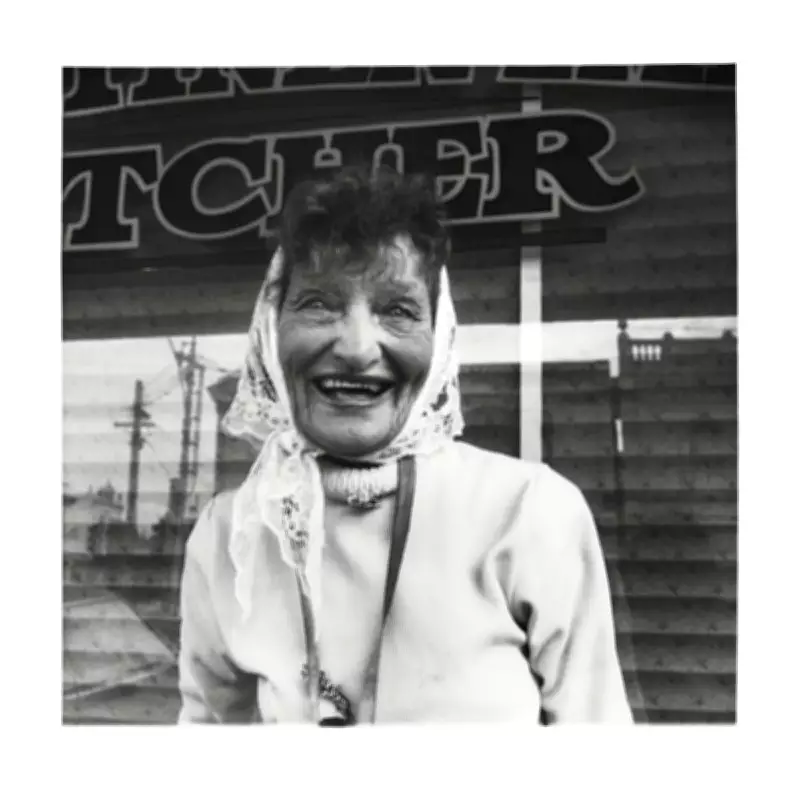
Viva Gibb began documenting the suburbs of north and west Melbourne, where she resided, from the mid-1970s. Her photographs serve as a poignant record of the people and places that defined these communities during a transformative period. The exhibition features a series of black-and-white images that highlight the diversity and resilience of local residents, from shopkeepers and barbers to families and individuals going about their daily routines.
Notable Portraits on Display
The collection includes several standout portraits that encapsulate the spirit of the era. For instance, "Lolly seller" on Victoria Street, West Melbourne in 1985 depicts a vendor in a bustling market scene, while "Billy Flowers, 44 Hawke Street, West Melbourne, 1981" shows a resident reflecting on the changing neighbourhood with the caption, "Not many of us left now." Other images feature characters like Frank the barber on Errol Street, North Melbourne in 1980, and Maureen at age 90 in her home at 8 Hawke Street, West Melbourne in 1987, each telling a unique story of life in these suburbs.

Additional photographs include Lillee feeding Pirate on Victoria Street in 1982, Jimmy at a wholesale flower shop in 1977, and Dorothy at a gun shop in 1983. The exhibition also showcases scenes from local establishments such as Don Camillo Cafe, with portraits of Giuseppe Lanteri, known as "The Boss," and Maria Lanteri, or "Signora," from 1980 and 1981 respectively. These images collectively paint a vivid picture of a community rich in character and history.
Preserving Community Heritage
Viva Gibb's work is not merely artistic but serves as an important historical document, preserving the memories and identities of a Melbourne that has since evolved. Her photographs capture moments of joy, struggle, and ordinary life, from Jean collecting bottles outside 8 Hawke Street in 1986 to a man outside 18 Capel Street between 1975 and 1980. The exhibition highlights how these images contribute to our understanding of urban development and social change in Australia.
The free admission to the City Gallery exhibition makes it accessible to a wide audience, encouraging public engagement with Melbourne's photographic heritage. As visitors explore the portraits, they are invited to reflect on the themes of community, identity, and the passage of time, which remain relevant in today's fast-paced world.
In summary, Viva Gibb's exhibition offers a powerful tribute to the ordinary lives that shaped inner-suburban Melbourne. Through her lens, she has immortalised a slice of Australian history, ensuring that the stories of these neighbourhoods continue to resonate with future generations.