Vandalised Henry Moore Sculpture Sells for Record £26 Million at Christie's
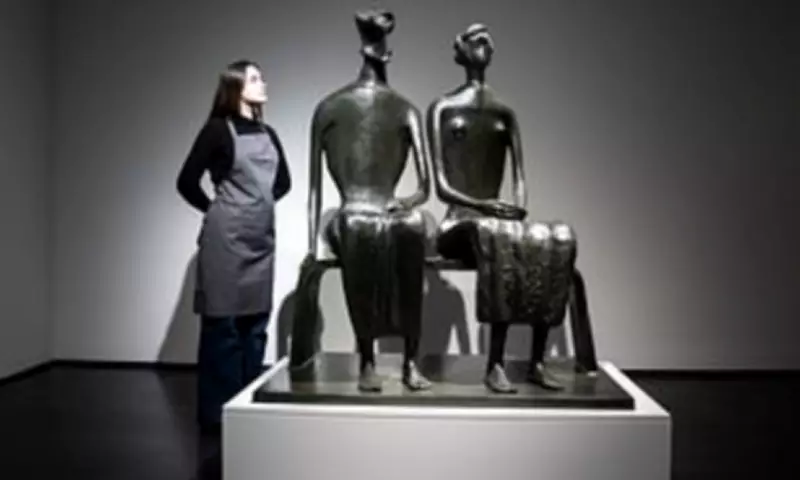
A bronze sculpture of royalty by the legendary British artist Henry Moore, which was once targeted by vandals in the Scottish countryside, has been sold for a staggering £26 million at Christie's auction house. This sale marks a new record, making it the highest-selling piece ever created by Moore and the most expensive lot of the London auction season.
Historic Sale of a Battle-Scarred Masterpiece
The sculpture, titled King and Queen, is a pair of seated figures cast in bronze between 1952 and 1953. It was created ahead of the coronation of Queen Elizabeth II and is widely celebrated as one of Moore's finest works. Originally purchased by the laird of Lincluden Estate in the 1950s, the piece remained in private hands, while later replicas were displayed in countries such as Japan, the Netherlands, and America.
Katharine Arnold, vice chairman of 20th and 21st Century European Art at Christie's, commented on the rarity and global appeal of the sculpture. She said, 'It is incredibly rare. It's from 1952 to 1953, and these sculptures are really sought after by collectors worldwide. So where it will end up in the world, who knows?'

From Vandalism to Restoration and Record Sale
The sculpture's journey to this multi-million-pound sale is a dramatic tale of vandalism and recovery. In 1995, while overlooking the Glenkiln Reservoir in Dumfriesshire, southern Scotland, the heads of King and Queen were sawn off by an unknown vandal. A frantic search involving scuba divers and metal detectors eventually led to the discovery of the heads in London.
Although the figures were carefully restored under the guidance of The Henry Moore Foundation, the brazen attack prompted estate managers to enhance security and eventually remove the statues from public display. A Christie's spokesman recounted the incident, stating, 'In the spring of 1995, the work was dramatically beheaded while installed in the wild beauty of its moorland setting. Though the gesture was striking, the original heads were retrieved and carefully restored, adding a powerful footnote to the history of this majestic sculpture.'
This restoration added a unique layer to the sculpture's history, contributing to its allure among collectors. The sale price of £26 million far surpasses its humble origins and the vandalism it endured, highlighting the enduring global admiration for Henry Moore's work.