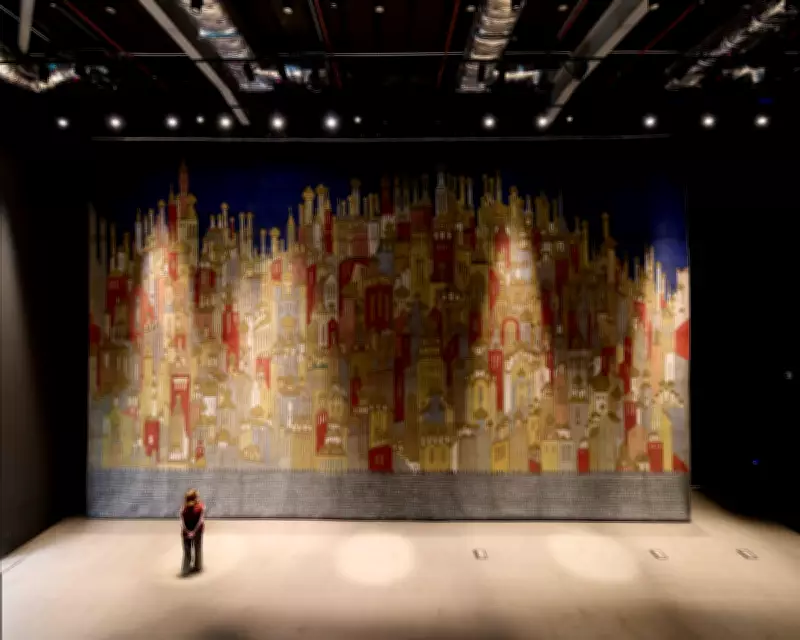
In a compelling call to action, voices from across the UK are urging policymakers to make universal access to culture a national priority, moving beyond purely economic justifications for the creative industries. This push comes as the V&A East Storehouse in London symbolizes a broader vision for cultural inclusivity, with advocates highlighting the need for a society where good things, like culture, are available to everyone, much like the NHS provides universal healthcare.
Beyond Economic Arguments: A Vision for Inclusive Culture
Oliver Goodhall, writing from London, emphasizes that while the economic benefits of the creative industries are well-documented, the UK should not be confined to framing culture solely in financial terms. He envisions a new era where cities thrive with the agency to create conditions for more inclusive, diverse, and devolved cultural experiences, accessible regardless of income. Goodhall argues that universal basic culture could be the key to unlocking prosperity, health, and community participation, calling for a national vision and public mandate to think big.
Live Theatre: A Cornerstone of British Heritage
Ian Flintoff from Oxford adds to this discourse by championing live theatre as a vital component of the cultural landscape. He notes that Britain has been a world leader in theatre since the 16th century, not just for spectators but also for performers, both professional and amateur. Flintoff stresses that live performance aids in self-expression and commitment to various aspects of life, from political insight to domestic harmony. He calls for special attention and encouragement for live theatre, urging people of all ages to actively participate rather than just watch.

The letters, published in response to an editorial, reflect a growing sentiment that culture should be a universal right, not a privilege. Advocates argue that a national strategy for universal basic culture could position the UK as a global creative powerhouse, fostering innovation and social cohesion. This debate underscores the importance of balancing economic arguments with a broader purpose, ensuring that arts funding and policies support both growth and accessibility for all communities.