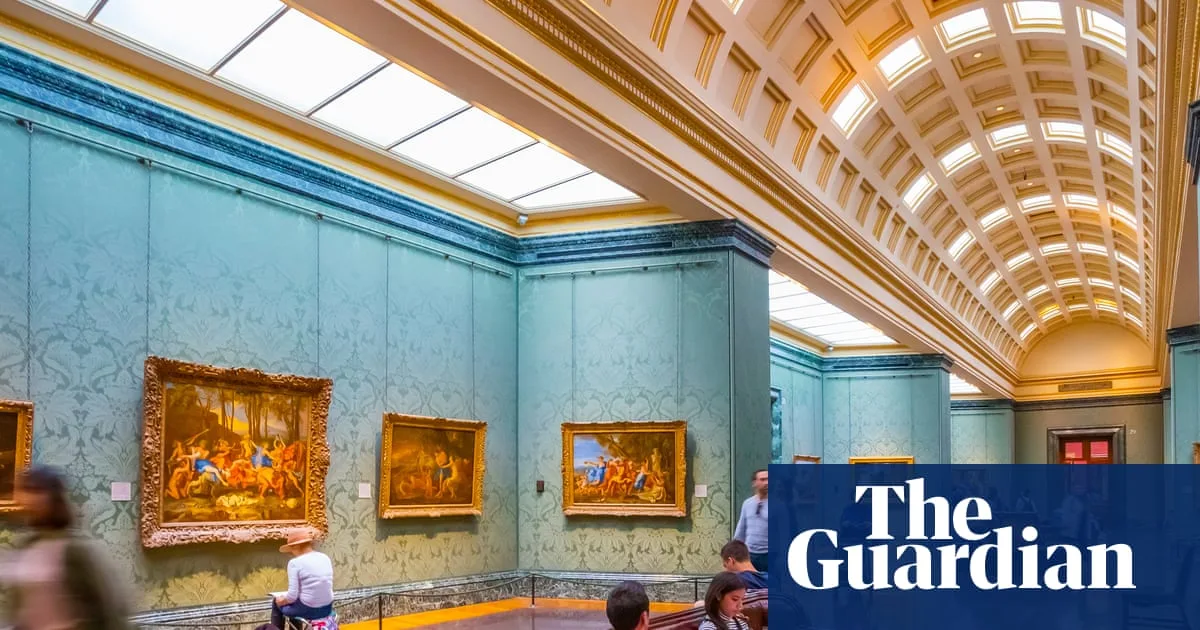
The Financial Strain on Britain's Free Museums
In Britain, free entry to most museums and galleries stands as a cherished national tradition, ranking alongside the NHS and David Attenborough in cultural pride. However, this cherished policy is under severe financial pressure, raising urgent questions about who should bear the cost of maintaining these institutions for future generations.
Mounting Deficits and Funding Shortfalls
The situation has reached critical levels. The National Gallery recently announced significant cuts to address an £8.2 million deficit, potentially reducing public programmes and increasing ticket prices for special exhibitions. According to the Museums Association, 61 percent of museums planned service cuts for 2024-2025, up from 51 percent the previous year. Core funding for UK arts organisations has fallen by 18 percent since 2010, while running costs have soared and visitor numbers have declined.
The Philanthropy Debate: Should the Wealthy Pay More?
Artist Tracey Emin has reignited discussion by suggesting that wealthy individuals should automatically take out museum memberships and make substantial donations to keep institutions free for the public. Emin frames this as a civic obligation, arguing that art is a right rather than a luxury. Her perspective finds support in recent major donations, including two £150 million gifts to the National Gallery from Silicon Valley investor Sir Michael Moritz and his wife Harriet Heyman, plus the Julia Rausing Trust.
Similarly, a record-breaking £5 million sponsorship from Belarusian-American hedge fund billionaire Igor Tulchinsky is bringing the Bayeux Tapestry to the British Museum. Former Conservative chancellor George Osborne, now chair of the British Museum, personally thanked Tulchinsky for "stepping up to the plate." However, experts caution that philanthropy alone cannot solve the crisis.
The Tourist Tax Proposal
The most discussed solution involves introducing tourist fees. Critics argue that UK taxpayers currently subsidise tourism through free cultural offerings, while most major museums worldwide charge foreign visitors. The Louvre's recent renovation was partially funded by €32 tickets for international tourists, demonstrating this model's potential.
Several prominent figures support this approach. Sir Tristram Hunt, director of the V&A, and Roy Clare, former head of Royal Museums Greenwich, have advocated for more sophisticated entry policies. Mark Jones, former director of the Victoria & Albert Museum, called free entry "regressive and inequitable," noting it primarily benefits tourists who can afford travel expenses.
Opposition and Alternative Solutions
However, strong opposition remains. Nicholas Cullinan, director of the British Museum, maintains free entry's importance, citing it as a reason for working in the UK. Alison Cole of the Cultural Policy Unit warns that tourist fees could reduce footfall and spending in museum shops and cafes, creating "negative unintended consequences."
Instead, many advocate for a tourist levy on hotel stays, similar to systems in Paris and Berlin. A 2025 report estimated this could generate £1.2 billion annually. London mayor Sir Sadiq Khan suggests 80 percent should fund culture, given most visitors come for cultural attractions. Karin Hindsbo, interim director of the Tate, supports a "modest tourist levy" while opposing museum-specific fees, celebrating free entry as "the jewel in the UK's cultural crown."
The Broader Philosophical Question
Beyond funding mechanics lies a deeper question about museums' purpose. Introducing fees, particularly for domestic visitors, suggests museums resemble paid entertainment venues rather than public resources like libraries. This conflicts with the belief that art serves as a reservoir of knowledge benefiting society broadly.
As the 25th anniversary of free museum entry approaches, institutions face a critical juncture. While free access has reportedly increased visitor numbers and diversity, financial realities demand new solutions. Whether through tourist levies, increased philanthropy, or renewed government funding, the debate continues about how to preserve Britain's cultural heritage while ensuring its accessibility to all.