UK Government Explores Charging Foreign Tourists for National Museum Visits
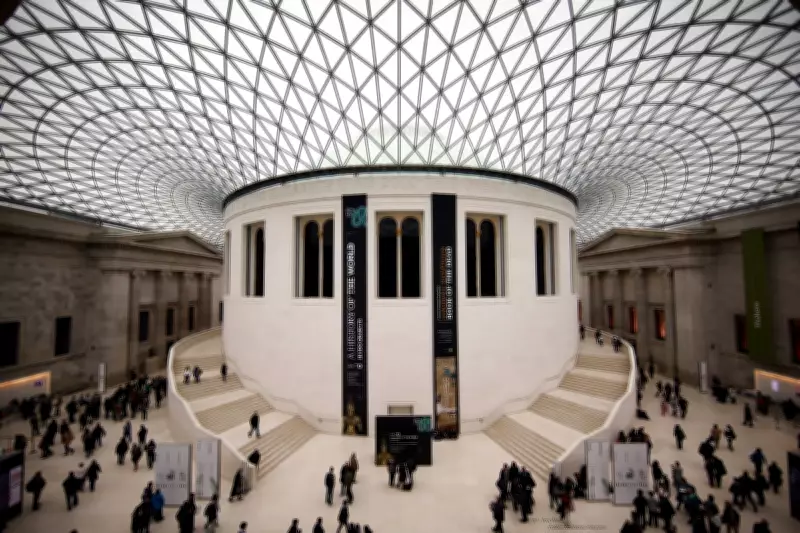
The UK government is actively considering the introduction of admission fees for international tourists visiting national museums, a move aimed at generating additional funds for the cultural sector. This proposal, which would affect renowned institutions such as the British Museum and the Victoria and Albert Museum, follows the acceptance of Baroness Margaret Hodge's review of Arts Council England by the culture department.
Review Recommendations and Government Response
Baroness Hodge's review recommended that museums limit free entry, specifically targeting international visitors. In response, the government has committed to working with the museum sector to explore the potential benefits and timeframes for implementing such charges. A government statement emphasized that charging international visitors could provide significant advantages, including supporting access to arts across the country and enhancing the long-term financial resilience of these organizations.
The government plans to provide an update on this matter before the end of the year, indicating a serious consideration of the proposal. This aligns with practices at many major global museums, such as New York's Museum of Modern Art, which charges $30 for general admission, and the Louvre in Paris, where non-European visitors pay €32.

Concerns Over Tourism and Access
However, the proposal has sparked concerns from experts like Alison Cole, director of the Cultural Policy Unit thinktank. Cole warns that introducing charges could deter tourists from visiting the UK altogether. She highlighted that free admission, a landmark Labour policy introduced in 2001, has been overwhelmingly successful in boosting attendance and improving access.
For instance, National Museums Liverpool recorded a staggering 269 per cent increase in visitors after charges were dropped. Cole argues that the free national museum offer is a top motivator for international tourism to the UK, and any changes could have unintended negative consequences.
Digital ID Requirements and Public Opinion
Under the proposals, digital IDs would be required to differentiate between domestic and international visitors, though such systems do not currently exist. Cole fears this could also prevent British citizens, particularly those from disadvantaged backgrounds, from visiting museums, creating an unintended barrier to access.
New research from the Art Fund reveals that 72 per cent of the public believe revenue from a potential tourist tax should be used to keep national museums free to enter. Jenny Waldman, director of Art Fund, stressed that while free museums have been a great success, they face rising costs and declining funding, necessitating additional financial support.
Alternative Funding Solutions
Instead of admission fees, the Cultural Policy Unit advocates for a hotel levy, which they estimate could generate over £1.2 billion annually. This revenue could be directed towards supporting the cultural sector, offering a less direct method of funding without impacting visitor numbers or access.
As the government moves forward with its exploration, the debate continues between boosting sector funds and preserving the accessibility that has made UK museums a global attraction. The outcome will significantly shape the future of cultural policy and tourism in the country.