Tracey Emin's Major Retrospective at Tate Modern: A Deep Dive into Artistic Evolution
Tracey Emin, often dubbed 'Mad Trace from Margate', has long been a polarising figure in the British art scene. With a major retrospective now open at Tate Modern, titled A Second Life, this exhibition offers a comprehensive look at her career, transcending her Young British Artist (YBA) roots to reveal a body of work imbued with genuine, deep feeling that is rare in today's art world.
Beyond Tabloid Controversy: Focusing on the Art
If you're one of the many still trying to separate the reality from the tabloid frenzy surrounding Emin, this retrospective is the perfect starting point. Don't be misled by the subtitle, A Second Life, which refers to her recovery from cancer in 2020 and the renewed lease on life it inspired. Contrary to expectations, the show is not dominated by recent works; instead, a substantial 90% of the exhibits hail from Emin's earlier periods, providing a rich survey of her artistic journey.
Emin's life has been extensively documented, with works like the infamous My Bed and Everyone I've Ever Slept With turning the art world upside down and generating more tabloid outrage than entire art movements combined. However, this exhibition shifts the emphasis squarely onto the art itself. Curated by Tate's outgoing director Maria Balshaw and her team, it adopts a slightly austere, scholarly approach. Well-known pieces, along with a few surprises, are strikingly presented against deep teal backgrounds with minimal context—no Sun newspaper covers and barely a mention of the YBAs.

Exploring Key Works and Personal Narratives
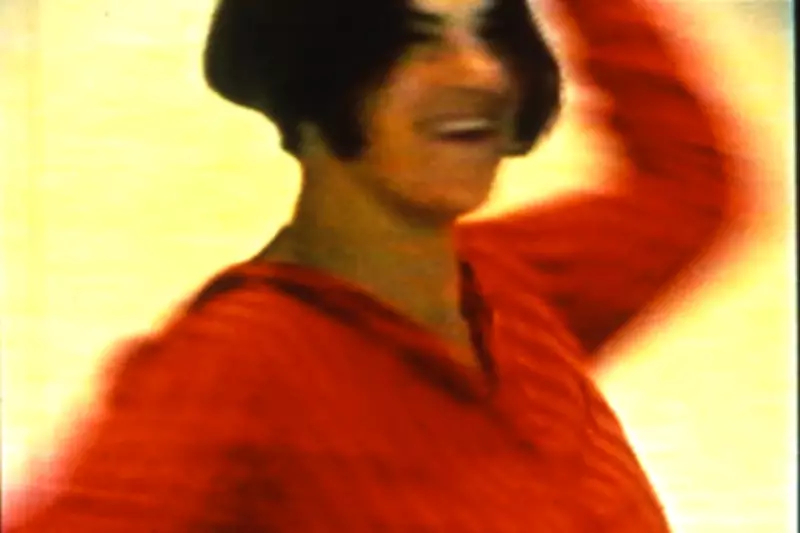
Among the highlights is Hotel International (1993), one of Emin's classic hand-embroidered blankets. At first glance, it appears as an innocuous celebration of childhood family life, but closer inspection reveals scrawled additions that delve into her endlessly disrupted upbringing. The video Why I Never Became a Dancer (1995) gains new resonance in this high-art setting, recounting a painful episode from her youth in Margate and closing with a triumphant moment set to Sylvester's You Make Me Feel Mighty Real.
Lesser-known works, such as handwritten texts like Exploration of the Soul (1994), provide even deeper insights into Emin's backstory. These pieces touch on racial abuse due to her part-Turkish heritage, rape, rejection by peers, and a botched abortion, painting a picture of a woman who could have been a lost cause but instead forged her own path through sheer belief in her talent.
The Evolution of Style: From Early Works to Recent Paintings
Early student paintings, destroyed after her first abortion and exhibited here as tiny photographs, showcase an expressive flair that many mature artists would envy. This instinctive feeling for pain feeds into the large figurative canvases that have dominated her recent exhibitions, characterised by veils of dripping paint, sexually explicit postures, and a raw, unfinished aesthetic. However, the exhibition's chronology is somewhat disrupted by the early inclusion of these recent works, which may dull the sense of artistic development for some viewers.
After navigating a corridor lined with wistful self-portraits from 2001 and graphic post-surgery selfies from 2020, visitors confront My Bed (1998). This recreation of Emin's unmade bed after a depressive episode, complete with shambolic duvets and personal detritus, has grown in popularity over time. Once met with incredulity, it now feels prophetic in an era where mental health is less stigmatised and intimate lives are routinely shared online.
Critiques and Conclusions: A Narrow Palette and Lasting Impact
While the later paintings are often seductive, with fluent lines and visceral colours—such as in the poster image I Never Asked to Fall in Love—the narrow colour palette dominated by red and blue can become monotonous. The once-refreshing unfinished look now risks feeling like an affectation, leaving some waiting for Emin to take this style to the next level.

The exhibition concludes with a room dedicated to paintings from her post-cancer 'second life', differing mainly in featuring single figures rather than couples. Despite ending all too soon, the work has never looked better. A bit more context on how fame impacted her art and a touch of humour would have enriched the experience, but Emin's authenticity shines through. In contrast to much of contemporary art, every detail here is genuinely and deeply felt. Is she Britain's greatest living woman artist? This retrospective makes a compelling case for a definitive yes.
Tracey Emin: A Second Life runs at Tate Modern from 27 February until 31 August, offering a must-see exploration of one of Britain's most influential artists.