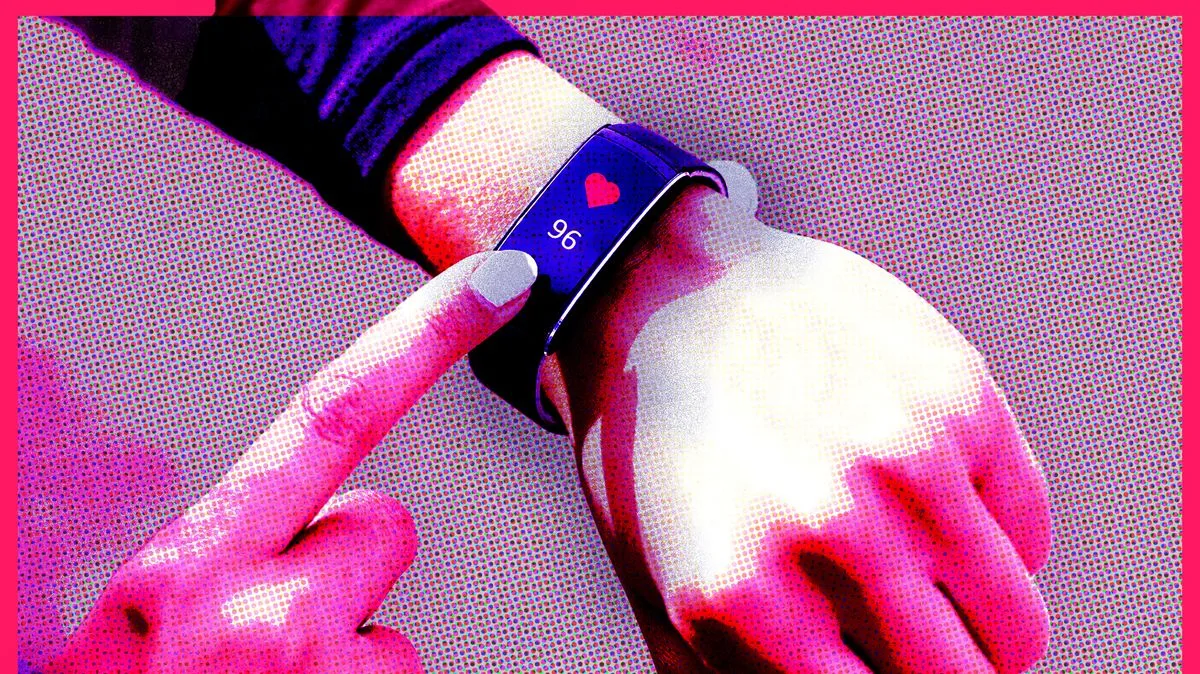
Fitness trackers, designed to monitor health metrics such as steps, sleep, and heart rate, may be doing more harm than good for some users, according to experts. A study led by Newcastle University and published in the Journal of Public Policy and Marketing found that these devices can become a 'persistent source of stress', linked to anxiety, body dissatisfaction, and rumination. Features like goal-setting and social comparison can leave users feeling guilty or anxious when targets are not met, shifting focus onto 'cold, numerical goals'.
Dr Helen Salisbury, a GP based in Oxford, warns that tracking can become obsessive. 'There's definitely some good evidence that tracking something can make you do more of it,' she told the Manchester Evening News. However, she argues that metrics such as sleep tracking can be counterproductive. 'What are you going to do to make your sleep better? ... If anything, tracking just might make you more anxious about it and make it less good.'
The health tech industry profits from making people worry, Dr Salisbury suggests. 'Just because you know about it, doesn't mean that that then gives you the tools to make it better.' She also notes that wearable devices can trigger unnecessary anxiety in patients, sometimes leading to extra medical investigations when the readings are inaccurate. 'Sometimes it's actually not the body that's wrong, it's the machine that's wrong.'
Despite these concerns, trackers can have benefits. Devices that monitor heart data have been shown to detect serious conditions like atrial fibrillation. However, Dr Salisbury points out that those who would benefit most—older individuals—are often not the ones wearing the devices. 'If you had a group of 75 year olds wearing watches that would be great, but it's not happening at the moment.'