Tracey Emin's 'A Second Life' Exhibition: A Raw Journey Through Pain and Art
Walking into the vast halls of Tate Modern for Tracey Emin's retrospective, 'A Second Life', feels like an intrusion into the most private moments of a soul laid bare. This is not a typical celebration of artistic achievement; it is a visceral, claustrophobic dive into the raw emotions that have defined Britain's most iconic contemporary artist.
An Intimate Invasion of Emotion
Forget the sex, drugs, and booze of the 1990s that once symbolised Tracey Emin's public persona. This exhibition strips away those sensational layers to reveal the core of her work: turning suffering into sculpture, insults into poetry, and agony into art. The experience is akin to stumbling upon her crying, naked, and vulnerable—a painfully private scene magnified in the cavernous space of London's leading contemporary art institution.
Emin has shaped a generation, shocked a nation, and redefined what art can be. Since the early 1990s, her creations have been so emotionally honest and visceral that they compel viewers to feel her pain, heartache, and love. It's Tracey—not just Emin—who pulls you close, making her feel like a personal acquaintance through her unflinching honesty.

Transforming Trauma into Art
The exhibition masterfully illustrates Emin's simple, repeated equation: life's cruelties become art. In the harrowing 1995 film, 'Why I Never Became a Dancer', she recounts leaving school at 13, enduring abusive relationships, and facing humiliation in Margate. Yet, she transforms this pain into joy, dancing to Sylvester's disco anthem in a defiant celebration of resilience.
Her works turn cruel jibes into intricate quilts, heartbreak into vivid paintings, and slurs into poignant poetry. A particularly agonising section addresses her abortion in the early 1990s, which she describes as an 'emotional suicide'. This seismic event led her to destroy her art school paintings and lock herself in a studio for three-and-a-half weeks, a space recreated here with scrawled paintings, empty lager cans, and dirty laundry.
Iconic Works and Personal Revelations
'My Bed', her iconic 1998 artwork, is present but feels less like a monumental piece and more like another private moment of pain shared with the audience. It was never intended to make headlines but to convey the raw truth of someone's life. Similarly, her recent battle with bladder cancer is laid bare in a dark corridor filled with photos of her bleeding stoma, marking the 'second life' of the exhibition's title—a rebirth from suffering.
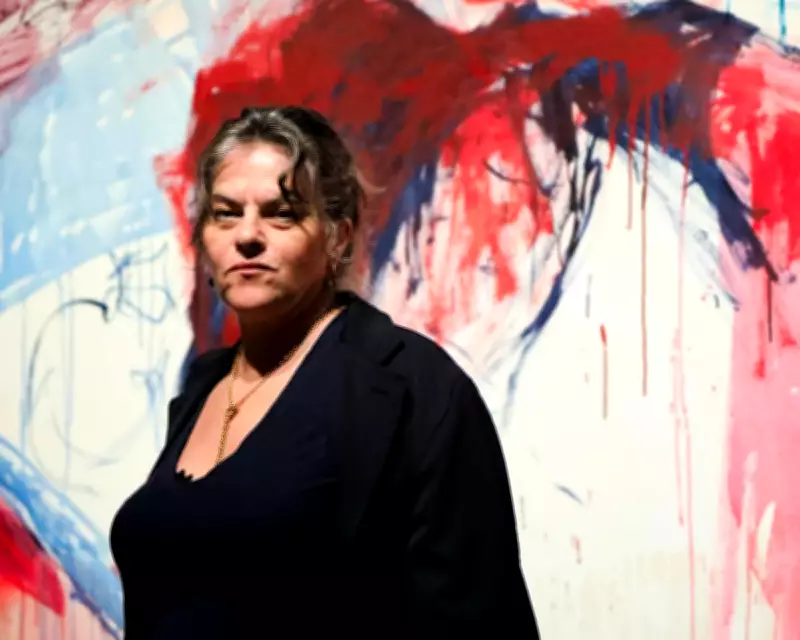
The show features not only her famous quilts, films, and installations but also rough, chaotic self-portraits in black, red, and grey. These paintings, often covered in diaristic half-poetry, depict her body splayed, bleeding, or on the verge of collapse. While not all are technically great, their messy, tempestuous rawness is profoundly affecting.
Critiques and Overwhelming Impact
Not every element shines; her sculptural bronzes resemble poorly made metallic forms, and her neon works might be better suited for hotel lobbies. Yet, even in her weaker moments, Emin's authenticity and heartfelt expression remain undeniable. Parts of this exhibition left visitors in tears, such as a painting of her carrying her mother's ashes, which evokes personal grief and loss.
This is not an exhibition for those seeking a lighthearted good time. Instead, it offers pure, unapologetic, undiluted emotions—love, grief, heartache, and sadness—that resonate deeply. 'Tracey Emin: A Second Life' runs at Tate Modern in London from 27 February to 31 August, inviting all to confront their own feelings through her art.