The Old Ladies Review: Spite, Greed and Nerves in a Rickety Boarding House
Lonely lives teetering on the edge of society take centre stage in this atmospheric 1935 psychological thriller by Rodney Ackland, adapted from Hugh Walpole's novel. Now playing at the Finborough theatre in London, the production delves into the festering passions beneath genteel poverty.
An Ageing Population's Solitude Reflected On Stage
Set in an English cathedral town, the play follows three elderly women without partners, families, or substantial incomes, eking out an existence in a dilapidated boarding house. Their struggles resonate with contemporary concerns about isolation in an ageing population, making this period piece strikingly relevant today.
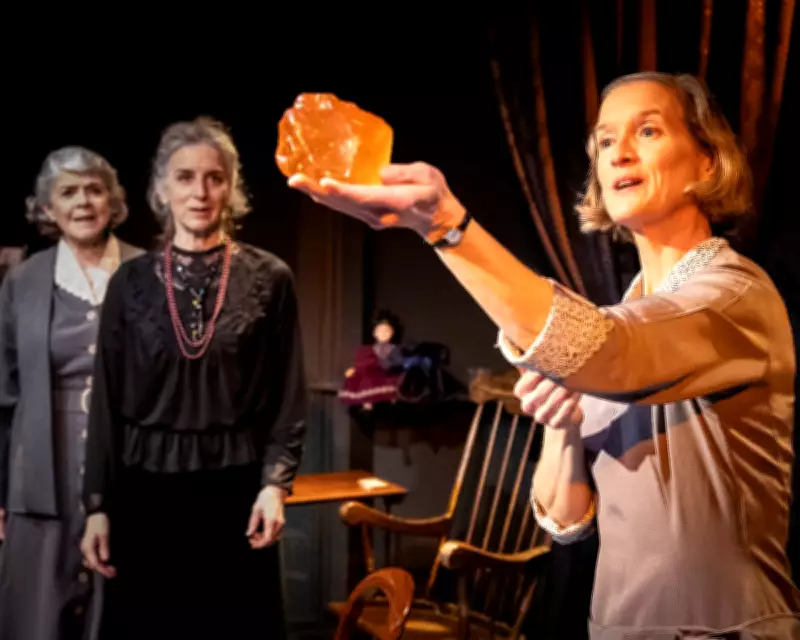
Miss Beringer, the new lodger portrayed by Catherine Cusack, is whittled by anxiety and timidly nibbles on a scallop-edged biscuit. She is welcomed by Julia Watson's Mrs Amorest, who remains flustered yet determined to keep up appearances despite being down to her last ten pounds. The third lady, Agatha, is played by Abigail Thaw as a disconcertingly eccentric figure, forbidding in jet black and prone to mocking the quivering Miss Beringer.

Fermenting Passions and Coveted Possessions
Under Brigid Larmour's finely etched direction, irritable passions ferment beneath frowsty knits and beads. The characters are prey to spite, greed, nerves, and night terrors, with tremulous voices and fearful glances towards an uncertain future. Agatha covets Beringer's one cherished possession: a translucent chunk of amber from a beloved female friend, symbolising the fragile connections in their lives.
The play features cross-hatched conversations and melodramatic plotting, enhanced by Juliette Demoulin's dank-toned set, Carla Joy Evans's costumes in tones of moth and cobweb, and Max Pappenheim's sound design that includes a bitter wind blowing, all turning the screw on the characters' precarious existence.
A Revival of Rackety Lives and Marginalised Stories
Rodney Ackland's plays about rackety lives are increasingly revived, and this production highlights the queer artists behind the original work: Ackland, Walpole, and John Gielgud, the play's first director. It's tempting to imagine them drawn to these marginalised lives on the fringes of British society, though these ladies don't rage against the dying of the light so much as wait fearfully to be snuffed out.
At the Finborough theatre in London until 19 April, this psychological thriller offers a poignant exploration of solitude, ageing, and the simmering tensions beneath surface civility.