From Raggedy Toy to Childhood Icon: The Enduring Legacy of the Teddy Bear
Teddy Bear: From Raggedy Toy to Childhood Icon

From Raggedy Toy to Childhood Icon: The Enduring Legacy of the Teddy Bear

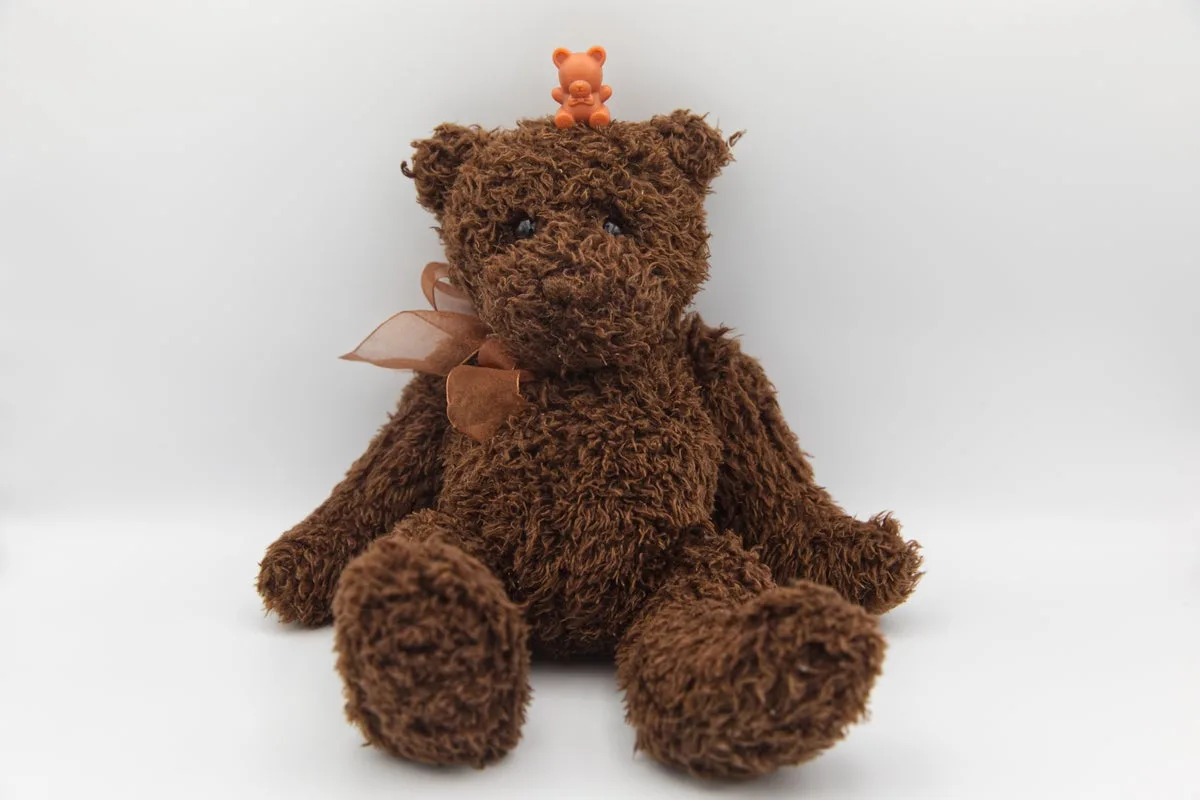
From its circular muzzle with a delicate nose tip to the classic button eyes and two round, fuzzy ears, the teddy bear has captivated children for over a century. This simple stuffed animal has evolved from a humble plaything into a treasured symbol of childhood innocence and comfort.

The Humble Beginnings in Brooklyn

The quintessential American toy originated in 1902 when Morris and Rose Michtom, Jewish candy store owners in Brooklyn, stitched together clothing scraps filled with sawdust. Michael Kimmel, author of Playmakers: The Jewish Entrepreneurs Who Created the Toy Industry in America and Morris Michtom's great-great-nephew, explains: "Nothing says childhood better than a teddy bear. It's an utterly genderless toy embraced by both boys and girls."

The Presidential Connection That Sparked a Phenomenon

The teddy bear's origin story actually begins earlier that year when President Theodore Roosevelt famously refused to shoot a tied-up black bear during a hunting expedition. Political cartoonist Clifford Berryman published a cartoon depicting Roosevelt's compassionate decision that caught the Michtoms' attention. Inspired by this event, they created a toy they called "Teddy's Bear" as a nod to the president and his nickname, sparking what would become a nationwide fad.

Wide Pickt banner — collaborative shopping lists app for Telegram, phone mockup with grocery list

From Novelty to Cultural Staple

After initial sales success, the Michtoms received increasing orders, and copycats quickly emerged. According to Kimmel, the teddy bear was widely considered the first mass-produced stuffed toy that wasn't a simple rag doll or fragile porcelain figure. Its appeal was multifaceted:

  • Affordability made it accessible to families across economic backgrounds
  • Comforting presence provided emotional security for children
  • Kid-friendly size made it perfect for small hands to hold and carry

Interestingly, some preachers of the era expressed concern that these playful plush toys might somehow corrupt young girls and diminish their future maternal instincts, reflecting the toy's significant cultural impact even in its early days.

Evolution Into Cultural Icon

Over subsequent decades, the teddy bear transcended its status as mere plaything to become a genuine cultural icon. Elvis Presley immortalized the toy in his 1957 hit "(Let Me Be Your) Teddy Bear," crooning about being someone's loving companion. An original Michtom-crafted teddy bear holds a place of honor in the Smithsonian National Museum of American History, cementing its historical significance.

The term "teddy bear" has even entered our vernacular to describe someone who is generally sweet, gentle, and cuddly in personality. Kimmel observes: "There are people who, when they finally move out of the house and go to college or get married, that's the one thing they just can't part with because it connects them to that innocent childhood."

This emotional attachment underscores the teddy bear's unique position as more than just a toy—it serves as a tangible link to childhood memories, comfort during difficult times, and a symbol of unconditional affection that transcends generations.

Pickt after-article banner — collaborative shopping lists app with family illustration