Elizabeth Sanjuan's Silent Snow: A Visual Ode to Hokkaido's White Wilderness
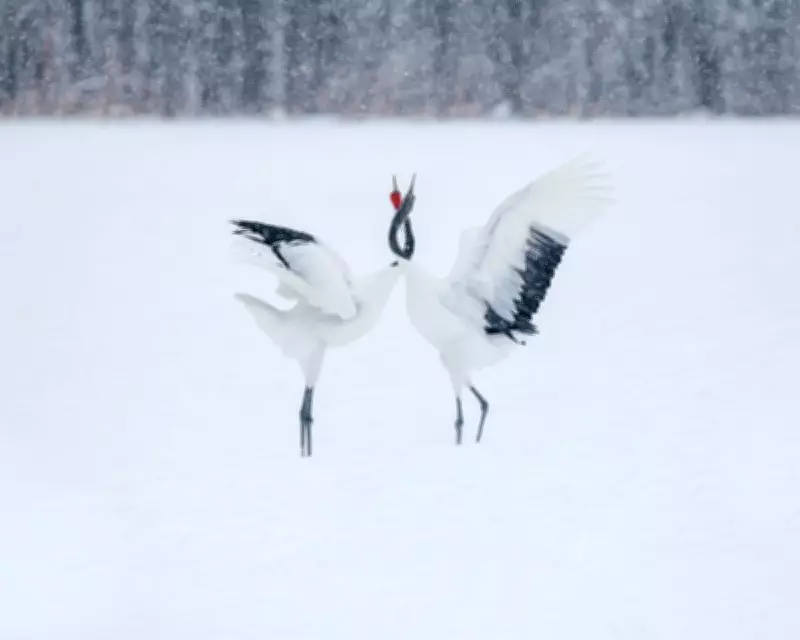
For half of every year, Japan's northernmost island, Hokkaido, is blanketed in snow, creating a stark, monochrome landscape that challenges both memory and perception. Over four winters, photographer Elizabeth Sanjuan immersed herself in this harsh yet hauntingly beautiful environment, resulting in her new book, Silent Snow, which features 40 images capturing the quiet, symbolic essence of this white world.
The Transformative Power of Snow
Fellow photographer Sam Abell notes that Sanjuan explores how prolonged snowfall can erase the memory of other colours. "Was Hokkaido ever green? By midwinter, with months more snow to come, the answer cannot be yes," he reflects. This absence of colour poses a significant test for photographers, as the drifting snow, polar winds, and unvarying white demand a focus on design and composition over chromatic variety.
Minimalist Abstraction and Emotional Depth
With snow as her constant canvas, Sanjuan creates photographs that balance representational clarity with minimalist abstraction. Her images resemble Japanese ink drawings or calligraphy, expressing thoughts with the fewest strokes. Curator Reiko Itabashi describes the emotional impact, stating that Sanjuan's work distils silence itself, inviting viewers into a space where time seems suspended and human presence dissolves into stillness.

Environmental Advocacy Through Art
Sanjuan's childhood advocacy for the environment, including involvement with campaigns like Keep America Beautiful, has evolved into a profound respect for Earth's fragile ecosystems. This reverence is evident in her photographs, which observe nuances such as shadow on snow, branch gestures, and ice fractures with emotional sensitivity. "They speak of endurance, quiet resilience, and a beauty that waits to be found," adds Itabashi.
A Metaphor for Vulnerability and Wonder
Silent Snow serves as a reminder of the delicate balance between nature's resilience and vulnerability. Snow becomes a metaphor for the environmental stillness at risk of loss. The book, which details the cameras used for each image to match symbolic messages, ultimately highlights that even in harsh winters, wonder persists, urging a renewed responsibility to protect what is quiet, essential, and endangered.