Sicilian Campaign for Renaissance Masterpiece's Homecoming
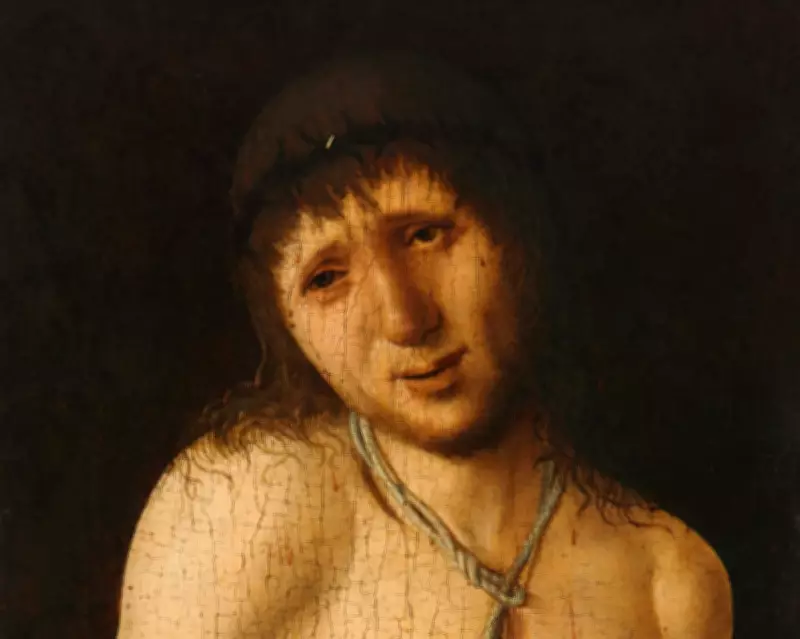
The Italian government has secured a significant Renaissance treasure through a $14.9 million acquisition at a New York auction, purchasing Antonello da Messina's Ecce Homo from Sotheby's. This 15th-century masterpiece, created around 1460, presents an intensely human depiction of the suffering Christ and represents a pivotal work in art history.
Historical Catastrophe and Cultural Loss
On December 28, 1908, the Sicilian port city of Messina endured Europe's deadliest modern natural disaster when a 7.1-magnitude earthquake struck for thirty-seven devastating seconds. The catastrophe claimed approximately half the population, leveling homes, churches, and monuments while destroying invaluable historical documents and artworks.
Much of Messina's cultural memory vanished alongside its people, including numerous works by the city's most celebrated artistic son, Antonello da Messina. The Renaissance painter, widely credited with transforming Italian art through his introduction of oil painting techniques, left behind a legacy that the earthquake nearly erased from his birthplace.

Contemporary Acquisition Sparks Regional Debate
Following the government's acquisition, a heated political discussion has emerged regarding the painting's ultimate destination. While Italy's culture ministry deliberates between major institutions including Milan's Pinacoteca di Brera and Venice's Gallerie dell'Accademia, Messina remains conspicuously absent from consideration despite being the artist's birthplace.
The Ecce Homo represents a remarkably compact work, measuring just 19.5 by 14 centimeters and executed in tempera and oil on both sides. One face portrays Christ crowned with thorns, while the reverse depicts Saint Jerome against a rocky landscape. Culture Minister Alessandro Giuli has described the painting as "unique in the landscape of 15th-century Italian art" and a cornerstone for enhancing national cultural heritage.
Sicilian Advocates Champion Symbolic Return
Local officials and art historians argue that returning the masterpiece to Messina would constitute an act of historical redress, partially restoring what natural catastrophe destroyed. "Antonello is a son of Messina; he belongs to this land," stated art historian Valentina Certo, author of The Workshop of Antonello da Messina. She emphasized that bringing the Ecce Homo home would help reconstruct the city's fragmented historical identity.
Before the devastating earthquake, Messina ranked among southern Italy's most dynamic cities, characterized by elegant palazzos, historic churches, and vibrant intellectual life. The disaster not only physically diminished the city but stripped away cultural memory that had positioned Messina as a Mediterranean crossroads for centuries.
Political Pressure and Cultural Negotiations
Regional Democratic party lawmaker Fabio Venezia has formally questioned the Sicilian government, urging officials to advocate for the painting's return to its geographical and historical context. Sicily's regional culture assessor, Francesco Scarpinato, confirmed opening discussions with the national culture ministry, which holds final authority over the artwork's placement.
Frustration simmers on the island regarding decisions made in Rome, with accusations of neglect toward Sicily's substantial cultural wealth. "To recover these works is to begin healing the wound of Sicily's scattered artistic heritage," Venezia asserted, highlighting broader concerns about cultural preservation and regional identity.
Artistic Significance and Limited Legacy
Antonello da Messina's artistic innovation revolutionized Renaissance painting through his mastery of oil techniques, enabling unprecedented softness, delicate glazes, and subtle facial shadings. Fewer than forty paintings by the master are known to survive today, making each work exceptionally precious to art historians and cultural institutions.

Graphic novelist and Messina-based art expert Lelio Bonaccorso noted that many of Antonello's works were allegedly lost or stolen following the 1908 earthquake, compounding the significance of any surviving pieces. The artist's ability to render astonishing detail on small panels, as demonstrated in the newly acquired Ecce Homo, underscores his extraordinary technical prowess.
For Sicilian cultural advocates, the debate transcends mere artistic placement, representing an opportunity to reclaim what disaster and historical neglect stripped from the region. The potential return of an Antonello masterpiece to Sicily would symbolize quiet redress and cultural restoration for a city that lost so much of its heritage in thirty-seven catastrophic seconds over a century ago.