Queen Elizabeth II's Direct Role in Iconic Wardrobe Revealed in New Exhibition
A groundbreaking new exhibition has unveiled that Queen Elizabeth II played a far more direct and hands-on role in shaping her iconic wardrobe than previously understood by the public. The monarch personally oversaw intricate details such as hemlines, fabric selections, and embellishments, particularly for significant overseas tours, according to archival evidence presented in the display.
Exhibition Details and Historical Scope
Titled "Queen Elizabeth II: Her Life in Style," the exhibition is scheduled to open on 10 April at The King's Gallery in London. This display marks the centenary of the late Queen's birth and will feature approximately 200 garments and related items, representing the largest collection of her clothing ever staged publicly. The exhibition spans an impressive ten decades, charting her remarkable evolution from a young princess to Britain's longest-reigning monarch.
Curator Caroline de Guitaut, who serves as surveyor of the King's Works of Art, expressed her surprise at discovering the depth of the Queen's involvement. "I was surprised by just how closely involved she was," de Guitaut told the Press Association. "There's so much evidence of her directing the details – hemlines, embellishment and so on. It was clearly a very symbiotic relationship."

The Development of a Signature Style
The public memory of Queen Elizabeth II often conjures a single, instantly recognisable image: a block-colour coat, matching hat, sensible shoes, and handbag. This uniform, meticulously developed over decades, served the practical purpose of ensuring visibility during walkabouts and large public events. "If you imagine her in your mind's eye, you can picture exactly what she'd be wearing," de Guitaut noted, emphasising that "she established a very distinctive style."
This signature look was far from accidental. Following her accession in 1952, the young Queen collaborated closely with leading British couturiers, including Norman Hartnell, who designed both her 1947 wedding dress and her 1953 coronation gown, and Hardy Amies, a pivotal figure in post-war London couture. Their creations helped define the stylistic language of her early reign, characterised by structured silhouettes, delicate embroidery, and luxurious British textiles that projected continuity and optimism in the post-war era.
Thematic Approach and Functional Wardrobe
Rather than adopting a chronological arrangement, the exhibition employs a thematic structure, with dedicated sections for eveningwear, daywear, tailoring, and the creation of tour wardrobes. This approach effectively demonstrates how clothing served different functions depending on the occasion – from the grandeur of state banquets to the practicality of country life at Balmoral.
Sketches and presentation albums within the exhibition reveal the Queen's extensive involvement, featuring her handwritten annotations on fabrics and colours for overseas tours. These documents confirm that she was far from a passive wearer of couture; instead, she actively shaped garments destined to be seen by millions worldwide.
Strategic Use of Colour and Diplomacy
Perhaps the most recognisable aspect of her later wardrobe was her strategic use of colour. "It's about being visible. It's about being seen," de Guitaut explained. "Using colour as a messaging thing is definitely something she developed." During overseas visits, colours and embroidery often carried subtle diplomatic references. For instance, yellow was frequently worn in Australia as a nod to the national wattle flower, while embroidered motifs might incorporate emblems of host nations.
"The attention to detail can't really be over-emphasised," de Guitaut remarked, highlighting how these understated elements formed part of a broader communication strategy.

Celebrating British Craftsmanship
The exhibition also celebrates the breadth of British talent behind the Queen's wardrobe. Alongside renowned designers like Hartnell and Amies, it highlights lesser-known figures such as Avis Ford, who worked under Madame Elizabeth Handley-Seymour and created elegant pieces sometimes mistakenly attributed to others. Upon discovering such misattributions, Buckingham Palace took steps to ensure proper credit in official communications, reflecting the monarch's support for British craftsmanship.
"She obviously cared about that," said de Guitaut. "It mattered that people knew who had made the clothes."
Off-Duty Wardrobe and Personal Touches
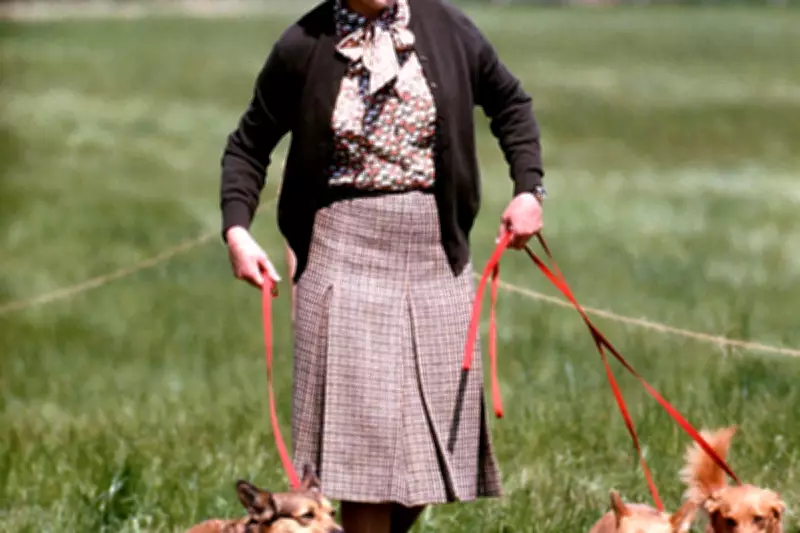
The Queen's off-duty wardrobe forms another significant strand of the exhibition. Items such as silk headscarves tied neatly under the chin, tartan skirts, well-worn tweeds, and Barbour jackets reflect a different aspect of her life – one rooted in countryside traditions and family. "It's about practicality and comfort, but also about looking stylish," de Guitaut observed. "Even if she was walking across a field in wellies, she still looked completely put together."
Historical Artifacts and Conservation
Among the exhibition's most poignant items is the royal christening robe, worn by 62 royal babies, including Queen Elizabeth II herself. Created in 1841 from Spitalfields silk and Honiton lace, this robe is believed to be making its first public appearance. The fragile artifact required 100 hours of specialist conservation before exhibition. In 2004, the Queen commissioned an exact replica to preserve the original, demonstrating her careful balance between maintaining tradition and safeguarding heritage.
Fashion as Monarchical Tool
For de Guitaut, the archive reveals a monarch who understood clothing not merely as adornment but as an integral part of the machinery of monarchy. "I wouldn't say she was the most influential fashion figure of the 20th century, but I would perhaps say she was one of the most," she concluded.
Collectively, the garments demonstrate how Queen Elizabeth II used fashion to project stability, support British industry, and communicate subtle messages without uttering a word. As this centenary exhibition makes abundantly clear, the vivid, composed, and instantly recognisable image of Queen Elizabeth II was the product of meticulous collaboration and extraordinary attention to detail.