Punk and Post-Punk's Visual Legacy: A New Exhibition Showcases DIY Design Impact
A new exhibition, curated by writer Philip Hoare, delves into the thrilling visual legacy of punk and post-punk, highlighting how the DIY designs of the 1970s and 1980s became culturally influential. Titled So This Is Real Life, the exhibition is hosted at the John Hansard Gallery in Southampton and runs until 9 May, featuring a collection of posters and graphics that defined an era of rebellion and creativity.
Iconic Designs and Cultural Statements
The exhibition includes memorable works such as the Buzzcocks' Orgasm Addict poster from 1977, designed by Malcolm Garrett using a photomontage by artist Linder. Linder described the process as creating "peculiar jigsaws highlighting these various cultural monstrosities," blending elements from a soft-porn magazine and an Argos catalogue. Another standout piece is the Anti-Nazi League Carnival poster from 1978 by David King, which aimed to establish a visual style for the left, drawing 80,000 protesters to a march in London.
European Influences and Artistic Connections
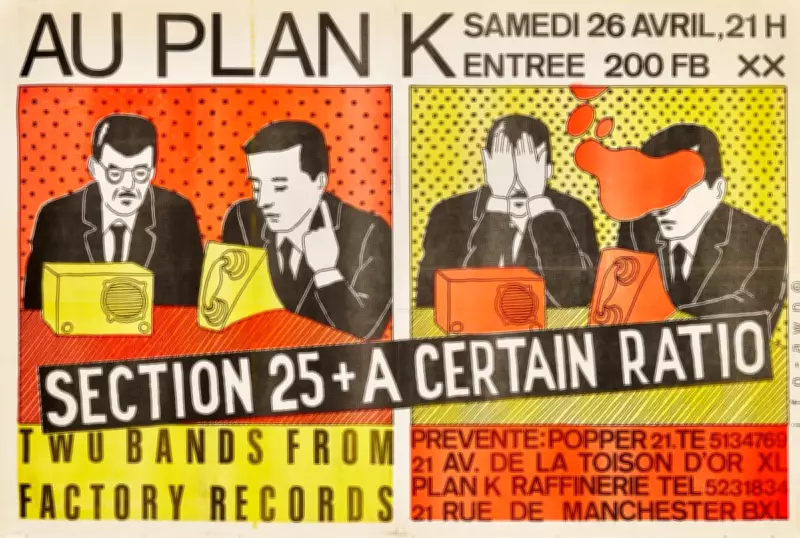
British post-punk's ties to Europe are evident in posters like Benoît Hennebert's design for the Plan K concert in Brussels in 1980, which reimagined Jean Cocteau's art in acid colours. This event showcased performances by bands like Bill Nelson and the Monochrome Set, alongside Factory Records designs and an Erik Satie recital. Similarly, Joy Division's performance at Plan K in 1980, where they first played Love Will Tear Us Apart, is commemorated in a screenprint by Jocelyn Coster, highlighting the band's tragic history and transformation into New Order.

Feminist and Political Themes
The exhibition also addresses feminist and political themes, such as The Raincoats' poster for their Odyshape album, designed by Simon Bramley in 1981. The all-woman band faced violent opposition, including an incident where their car was vandalized with a swastika. Additionally, Scritti Politti's poster for The Sweetest Girl single, designed by drummer Tom Morley, reflects situationist-Marxist aesthetics with a retro-European feel, though technical issues delayed its release.
Design Innovations and Legacy
Innovations in design are showcased through works like Bob Last's vibrant poster for The Flowers, utilizing "dynamic unbalance between the fields of colour," influenced by Russian constructivist El Lissitzky. Peter Saville's design for New Order's Movement album poster drew from Italian Futurist Fortunato Depero, though it faced controversy due to fascist associations. The exhibition underscores how these DIY graphics not only promoted music but also shaped visual culture, leaving a lasting impact on art and design.