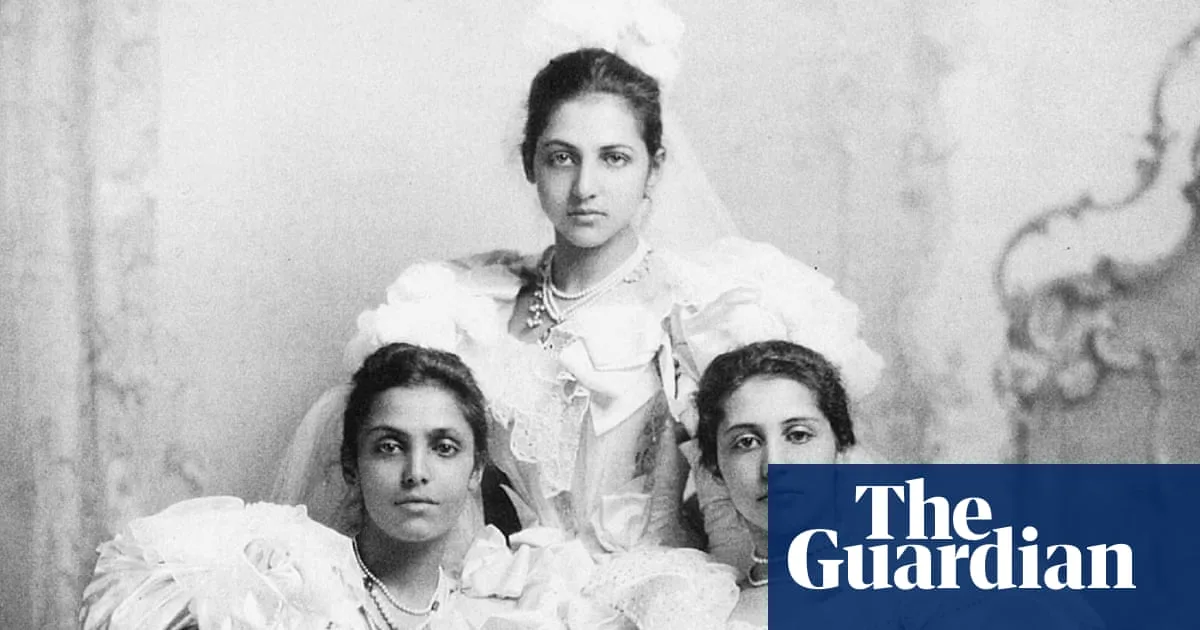
An exhibition opening at Kensington Palace on 26 March will tell the story of Princess Sophia Duleep Singh, the daughter of the last Sikh maharajah of the Punjab, who became a pioneering suffragette. The display, titled 'The Last Princesses of Punjab', runs until November and explores the lives of Sophia and the five women who shaped her: her sisters Catherine and Bamba, her mother Bamba Muller, grandmother Jind Kaur, and godmother Queen Victoria.
Sophia Duleep Singh was a devoted campaigner for women's rights. Highlights of the exhibition include a bound volume of 'The Suffragette' showing her selling copies at Hampton Court Palace, where Queen Victoria had granted her a grace-and-favour apartment, and her handwritten letter to Winston Churchill reporting police brutality at the Black Friday suffragette march in 1910, where she marched alongside Emmeline Pankhurst. She was taken to court three times for refusing to pay taxes as part of the Women's Tax Resistance League, whose banners reading 'No Vote, No Tax' are also on display.
Her sister Catherine played a quiet but powerful role supporting Jewish refugees fleeing Nazi persecution. She acted as a guarantor for Jewish families in Germany, inviting them to live at her house in Buckinghamshire. A jewelled pendant, probably an heirloom from her grandmother Jind Kaur, which Catherine gave to an eight-year-old girl named Ursula Hornstein, is featured in the exhibition.

The display includes personal letters, photographs, and objects from the women's lives, as well as contemporary responses from British South Asian women. Items from Sophia's childhood, such as an ornately decorated rocking horse and three-piece embroidered outfits worn by the children in personal photographs, demonstrate their dual identity as British aristocrats and Punjabi princesses.
Polly Putnam, curator of collections for Historic Royal Palaces, said: 'This exhibition reveals a story of courage, identity and resistance told through the lives of extraordinary women.' Mishka Sinha, exhibition historian, added: 'The women of her family lived through an extraordinary sweep of history, yet each found ways to exert influence and forge their own identity.'