Maxine Peake Leads 200 Cultural Figures in British Museum Palestine Protest
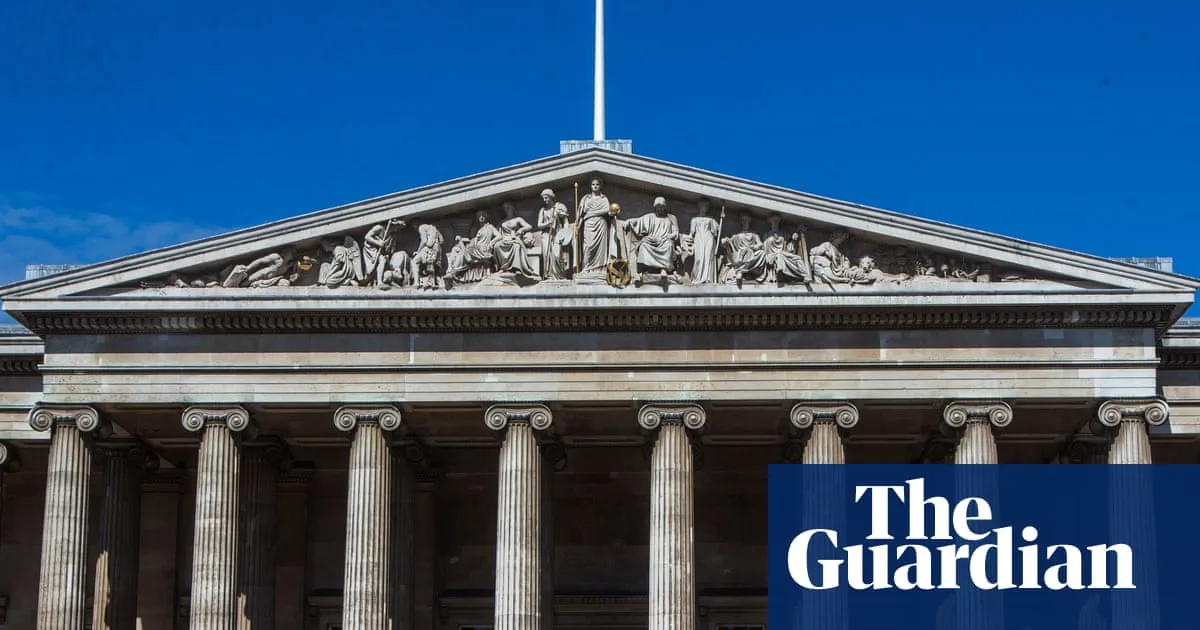
Actresses Maxine Peake, Siobhan McSweeney and Juliet Stevenson are among more than 200 prominent cultural figures who have signed a strongly worded letter to the British Museum, urging the institution to demonstrate clear support for Palestinians. The letter, coordinated by the campaign group Culture Unstained, arrives amid escalating controversy over the museum's handling of Palestinian representation and its corporate partnerships.
Allegations of Historical Revisionism
The letter emerges following reports that the British Museum has removed the word "Palestine" from several of its gallery displays. Last month, the group UK Lawyers for Israel (UKLIF) raised concerns about references to Palestine in the museum's exhibitions, arguing they risked "obscuring the history of Israel and the Jewish people." According to UKLIF, the museum subsequently altered panels in its Egypt galleries, replacing "Palestinian descent" with "Canaanite descent."
The signatories describe these changes as an "act of historical revision and potential erasure." The letter states unequivocally: "The British Museum must avoid complicity in genocide, either through its representation of Palestinians and their history or by providing direct support to those that perpetrate or profit from that genocide."
Targeting Museum Leadership and Corporate Ties
The letter also directly criticises the British Museum's director, Nicholas Cullinan, noting: "He is reported to be 'disgusted' by these media reports – but many are more disgusted by his museum's indefensible decision to host a private party for the Israeli Embassy last year while the fugitive Israeli Prime Minister is charged with war crimes by the International Criminal Court."
Furthermore, the signatories express profound dismay over the museum's ongoing partnership with BP. The letter highlights that BP has profited from supplying fuel to the Israeli military during the conflict in Gaza. It states: "Many are also disgusted that his museum continues to partner with BP, a company that has profited from its supplying of fuel to the Israeli military throughout the bombing, violence and destruction in Gaza. The museum has ignored repeated calls to remove BP's name from the museum's lecture theatre."
The British Museum renewed its sponsorship with BP in 2023, signing a substantial 10-year, £50 million deal to support its redevelopment. BP faces additional controversy due to its ownership and operation of the Baku-Tbilisi-Ceyhan pipeline, which supplies crude oil to Israel.
Demands for Action and Accountability
Signed by notable figures including musician Brian Eno, the letter calls for the British Museum to "make its position clear" regarding the Israel-Palestine conflict and to express "clear and unequivocal solidarity with the Palestinian people." The specific demands outlined in the letter include:
- Issuing a public statement apologising for the museum's relationship with BP and removing BP's name from the BP Lecture Theatre signage.
- Apologising for hosting a private event for the Israeli Embassy last year.
- Recognising the UN Independent International Commission of Inquiry, which has condemned the actions of Israel's government.
- Consulting with experts on how to appropriately present Palestinian culture, including the "correct labelling of historic Palestinian artefacts as a necessary step towards returning them to their rightful owners."
Museum's Response and Ongoing Scrutiny
A British Museum spokesperson has previously addressed the allegations, stating: "It has been reported that the British Museum has removed the term Palestine from displays. It is simply not true. We continue to use Palestine across a series of galleries, both contemporary and historic." The British Museum has been contacted for further comment regarding the new letter and its demands.
This protest underscores growing pressure on cultural institutions to take ethical stands on international conflicts and scrutinise their corporate affiliations. The involvement of over 200 high-profile signatories amplifies the call for the British Museum to reassess its policies and public positions concerning Palestine and its partnerships.