Rediscovering the Forgotten Stars of 1960s New York Art
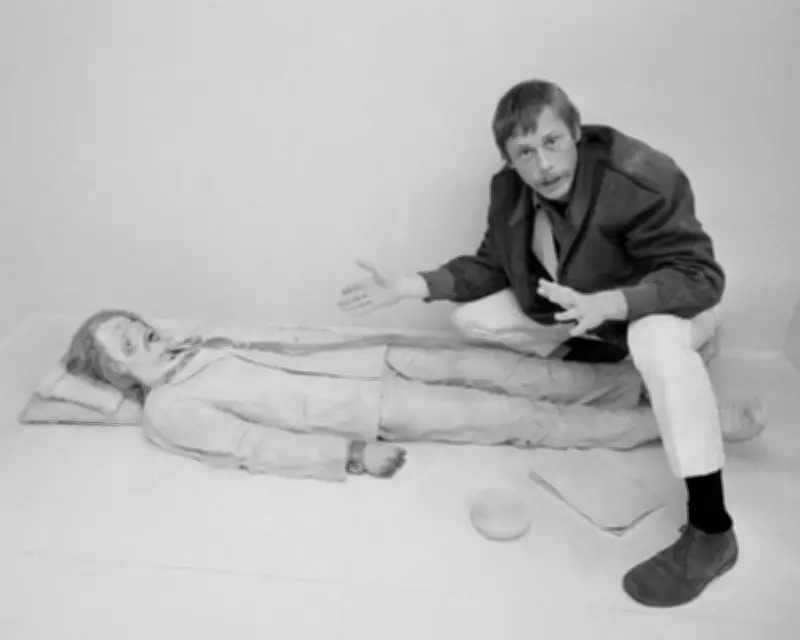
In April 1968, artist Paul Thek posed with his wax sculpture installation 'Death of a Hippy', a piece that captured the raw essence of the era. This moment, photographed by Terry Disney, symbolizes the vibrant yet often overlooked contributions of Thek and his partner, photographer Peter Hujar, to the New York art world. Andrew Durbin's new biography, The Wonderful World that Almost Was, offers a tender but unflinching account of these queer artists who helped shape the city's cool aesthetic before slipping into obscurity.
A Tale of Two Artists: From Stardom to Shadows
Paul Thek and Peter Hujar were celebrated figures in the mid-20th century, admired by luminaries such as Andy Warhol, Susan Sontag, and Gore Vidal. Warhol famously sent Thek a Brillo box, which Thek repurposed as packaging, while Sontag dedicated two books to him and shared an intimate relationship. Hujar, described by Fran Lebowitz as 'a genius about sex', inspired the ending of Sontag's second novel with his photographs. Despite this acclaim, their legacies were largely ignored by history books, prompting Durbin to delve into their lives from 1954 to 1975, a period ending a decade before both died of AIDS.
Durbin's biography reveals how Thek and Hujar met as soul-searching twentysomethings and evolved into artists who pushed boundaries. They defined an 'open, and unapologetic' gay relationship, challenging societal norms and contributing to New York's art scene's 'cool' reputation. The book paints them as exceptionally talented yet sometimes cruel individuals, committed to authenticity over fame, often choosing integrity even at the cost of hunger.

Artistic Innovations and Personal Intimacies
Paul Thek rose to fame in the mid-1960s with his 'meat pieces', beeswax replicas of flesh housed in sculptural vitrines that both appalled and amazed audiences. His work was a bold commentary on mortality and the human condition. Meanwhile, Peter Hujar gained recognition for his intimate photography, most notably Orgasmic Man (1969), a closeup of a young man's face during climax, later used as cover art for Hanya Yanagihara's novel A Little Life. Initially hesitant to focus on homosexuality, Hujar eventually embraced the subject, photographing lovers and friends nude, including Thek masturbating on a mattress, and capturing his own nude body in motion.
Durbin skillfully reconstructs their relationship, noting how they came together in 1960 after meeting at a bar on Washington Square. He describes 'the look in Peter's eyes' and 'the way Thek minded whether Hujar laughed at his jokes', offering a vivid portrayal of their connection. Their dynamic was one of contrasts: Hujar was 'dignified and remote', while Thek was 'cuddly and sensual'. Hujar immersed himself in the gay scene, whereas Thek occasionally entertained thoughts of bisexuality, which he dismissed as 'BLAND' in his notebooks.
A Legacy Revisited: Beyond Tragedy
Unlike many narratives of artists lost to AIDS, Durbin focuses on Thek and Hujar's lives before their deaths, avoiding portrayals of them as 'tragic, twilight figures'. Instead, he provides a nuanced view of their choices, emotions, and complexities, highlighting what made them lovable yet difficult. This approach aligns with a growing revival of interest in their work, including a recent book of photographs and letters and a biopic starring Ben Whishaw released in January.
As Thek once wrote in his notebook, 'The tremendous event is still on the way!'—a sentiment that echoes the potential for their artistic resurgence. Durbin's biography, published by Granta, serves as a poignant reminder of the indelible mark these artists left on New York's cultural landscape, urging a reevaluation of their contributions to art and queer history.