German Museum Returns Nazi-Looted Sculpture to Heirs of Holocaust Victim
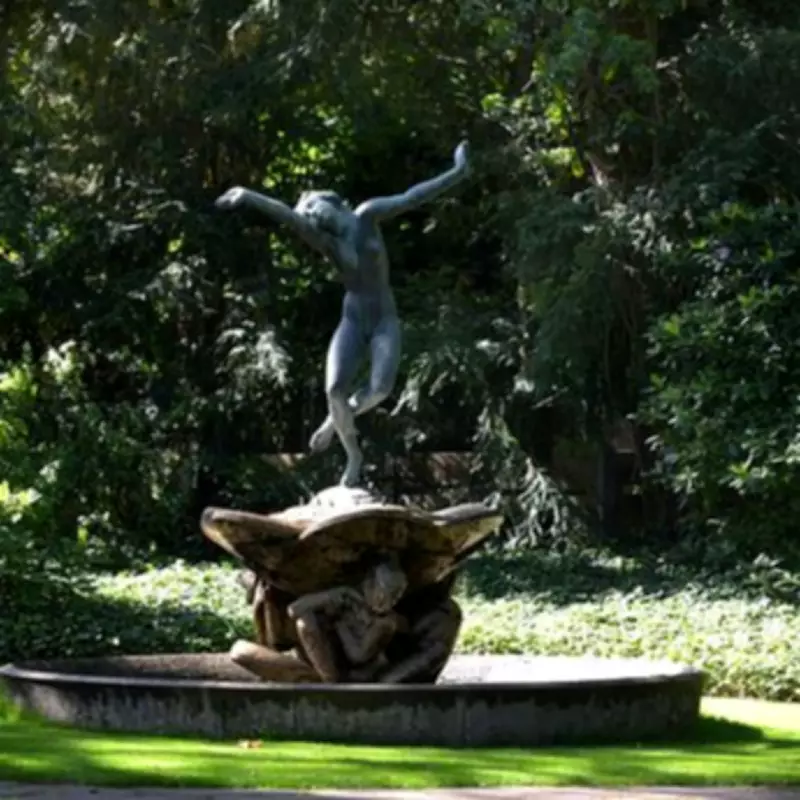
A protracted legal conflict has concluded with the restitution of a valuable sculpture, seized by the Nazis from a Jewish businessman who perished in a concentration camp. The Georg Kolbe Museum in Berlin has formally returned the "Dancing Girls Fountain," estimated to be worth £1.1 million, to the descendants of Heinrich Stahl. This resolution marks a significant step in addressing historical injustices linked to Nazi persecution.
Years of Legal Wrangling Culminate in Restitution
The sculpture, created in 1922 for Stahl, a prominent art collector and leader of Berlin's Jewish community, once adorned his luxury villa in the Dahlem district. Under Nazi racial laws in 1941, Stahl was compelled to sell his home and the fountain at a fraction of their true value. Subsequently, he and his wife were deported to the Theresienstadt concentration camp, where Stahl died. His widow survived and emigrated to the United States in 1950.
After disappearing post-war, the fountain resurfaced in the late 1970s and became a centerpiece of the Kolbe Museum's garden. In 2001, the museum reached an agreement with one of Stahl's grandsons, who signed a waiver relinquishing the family's claim. However, recent investigations revealed this waiver was legally invalid, as it did not represent the entire family, prompting the heirs to revive their demand for restitution.

Museum Acknowledges Historical Injustice
Katherine Reinhardt, director of the Georg Kolbe Museum, stated, "We as a museum now describe the fountain as a 'Nazi-persecution-related loss.' The sale was not voluntary, and the price was below market value. What was done to Stahl represents an unforgivable, immeasurable injustice." She emphasized the museum's commitment to finding a fair and just solution, acknowledging that the term 'looted art' could have clarified the situation earlier.
Reinhardt added, "The search for a legally and morally fair outcome for all of Heinrich Stahl’s descendants is our top priority. We are open to restitution, recognizing that public and descendant patience is exhausted. Institutions must balance preservation with ethical responsibilities, prioritizing victims' descendants."
Broader Context of Nazi Looting and Holocaust Atrocities
This case highlights the widespread systematic looting by Nazi authorities across Europe. In Germany alone, approximately 140,000 Jewish-owned businesses were seized or forced into "Aryanisation" sales. France documented around 100,000 looted artworks, with historians estimating the regime stole between £16 billion and £24 billion in assets at 1930s values. By 1945, six million Jews were murdered in the Holocaust, with countless families losing properties, savings, and heirlooms.
The museum's decision to return the sculpture unconditionally underscores a growing trend in addressing Nazi-era injustices. Talks over a long-term loan reportedly failed due to financial constraints, leading to the heirs' insistence on full restitution. The fountain will now leave the museum, where it has been displayed since the 1970s, symbolizing a belated act of justice for Stahl's family.