National Theatre Director Issues Stark Warning on Conservative Theatre-Making
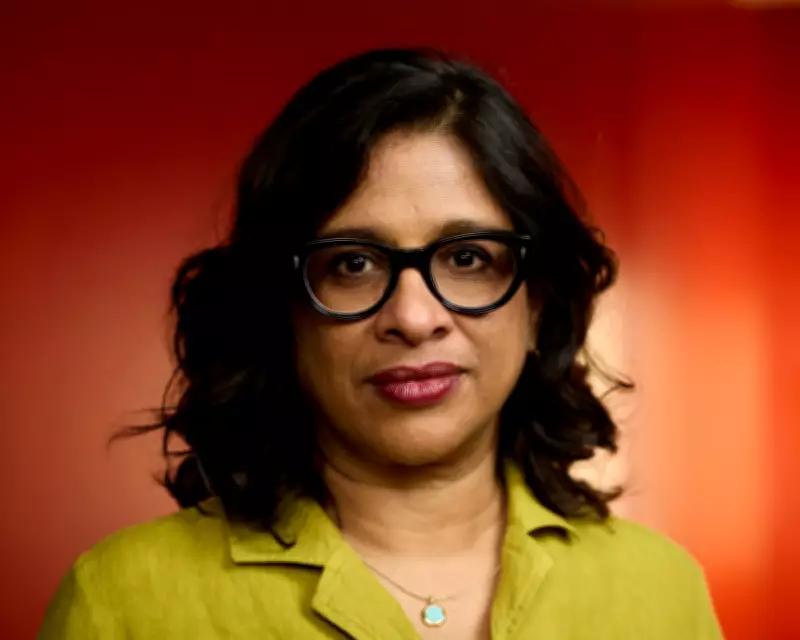
The artistic director of the National Theatre, Indhu Rubasingham, has delivered a powerful lecture declaring that a "conservative" approach to theatre-making will "kill" the UK industry, even if it provides short-term financial stability. Speaking at the second-ever Jennie Lee lecture, organised by Arts Council England and the Department for Culture, Media and Sport, Rubasingham addressed an audience of 200 arts industry representatives, calling for a renewed national commitment to creative risk and new writing.
A Call for Courage in the Arts
"Investing in the arts when money is sparse requires courage," Rubasingham asserted. "Courage to act, because we recognise what lies ahead if we do not. Playing safe will be the end of us. If we are conservative in style, in content, in process, we might balance the books today, but we will kill the future of theatre and betray Jennie Lee." She emphasised that this conservative trend is not just a stylistic choice but a fundamental threat to the sector's vitality.
Alarming Decline in New Writing
Rubasingham highlighted troubling statistics from the National Theatre's new work department, revealing a steep reduction in new writing across the sector. Key findings include:

- A 70% decline in theatres receiving open-to-all submissions throughout the year between 2014 and 2024.
- A 76% decline in new writing festivals.
- A 44% decline in playwriting courses.
- A 44% decline in new work on stages outside London, and a 30% decline in the capital.
"I fear for the decline in the volume and range of voices on our stages across the country," Rubasingham said, speaking at the Dorfman theatre in London. "I fear the effect this constricting and contracting pipeline will have when it hits our stages within the next decade. Our failure to mark this moment as a tipping point risks our betrayal of the legacy, pride and heritage of this country – of our leading cultural influencer William Shakespeare, our national playwright."
Theatre as a Bastion of Democracy and Imagination
Rubasingham framed these trends as "canaries in the coalmine," signalling a quiet warning about approaching dangers to democracy, free speech, tolerance, and freedom of imagination. She referenced a world increasingly divided by disinformation, populist politics, alternate realities, and loneliness, arguing that theatre remains one of the few places where people gather to face complexity and embrace nuance together.
"If sameness becomes the norm, it nudges us only towards what is predictable and profitable," she cautioned. "I worry that we are losing our capacity to understand each other, to be present, and to tolerate what does not feel comfortable to us." This warning comes amid broader concerns about a sharp decline in productions of new work since the pandemic, with the British Theatre Consortium reporting a 30% drop compared to 2019, despite rising demand.
Industry Echoes and Broader Implications
In response to these challenges, playwright James Graham told the Guardian, "We have a storytelling crisis in our nation. We're struggling to imagine the next chapter of our national life." This sentiment underscores the critical role of theatre in shaping cultural and social discourse. The Jennie Lee lecture series, which began last year with culture secretary Lisa Nandy, commemorates the 60th anniversary of Lee's groundbreaking white paper on the arts, adding historical weight to Rubasingham's urgent plea.
As the National Theatre director's comments resonate across the arts community, they highlight a pivotal moment for UK theatre. The decline in new writing and creative risk-taking not only threatens artistic innovation but also risks undermining the sector's ability to reflect and engage with contemporary society, potentially leaving a void in cultural expression for generations to come.