Australia's First Indigenous Art Triennial Confronts History with Devastation and Hope
National Gallery of Australia Launches Indigenous Art Triennial

In a landmark moment for Australian culture, the National Gallery of Australia (NGA) in Canberra has launched its first-ever Indigenous art triennial. Titled 'ever Present', the ambitious exhibition presents a powerful and unflinching narrative of First Nations experience, weaving together themes of profound loss with enduring hope and resilience.

A Groundbreaking Cultural Initiative

The triennial, which opened to the public on 5 December 2025, represents a significant institutional commitment to centring Indigenous voices. Featuring over 170 works by more than 30 artists and collectives from across the continent and the Torres Strait Islands, the showcase fills the NGA's entire dedicated exhibition space. Curated by Tina Baum, the Gallery's Gunditjmara curator of Aboriginal and Torres Strait Islander Art, the event is structured around four core themes: Devastation, Hope, Truth-telling, and Sovereignty.

This is not merely an art display but a form of national conversation. Baum describes the exhibition as a "truth-telling" project, one that holds space for the brutal realities of colonisation while also celebrating the unbroken strength and innovation of the world's oldest continuous living cultures. The triennial format ensures this conversation will be sustained, with plans for the event to recur every three years.

Artworks That Speak of Pain and Persistence

The 'Devastation' section confronts viewers with the harsh legacy of colonial violence and displacement. Among the most striking pieces is a monumental installation by Gija artist Mabel Juli titled 'Garnkiny Ngarranggarni (Moon Dreaming)'. The work features countless intricate bird feathers meticulously applied to canvas, symbolising both the beauty of Country and the irreparable loss inflicted upon it.

In contrast, the 'Hope' section illuminates pathways of cultural survival and joy. Here, vibrant paintings, dynamic multimedia works, and clever sculptures speak to connection, family, and the revitalisation of language and ceremony. The exhibition makes clear that these themes are not separate but deeply intertwined; the expression of hope is itself an act of sovereignty and resistance.

A Platform for Established and Emerging Voices

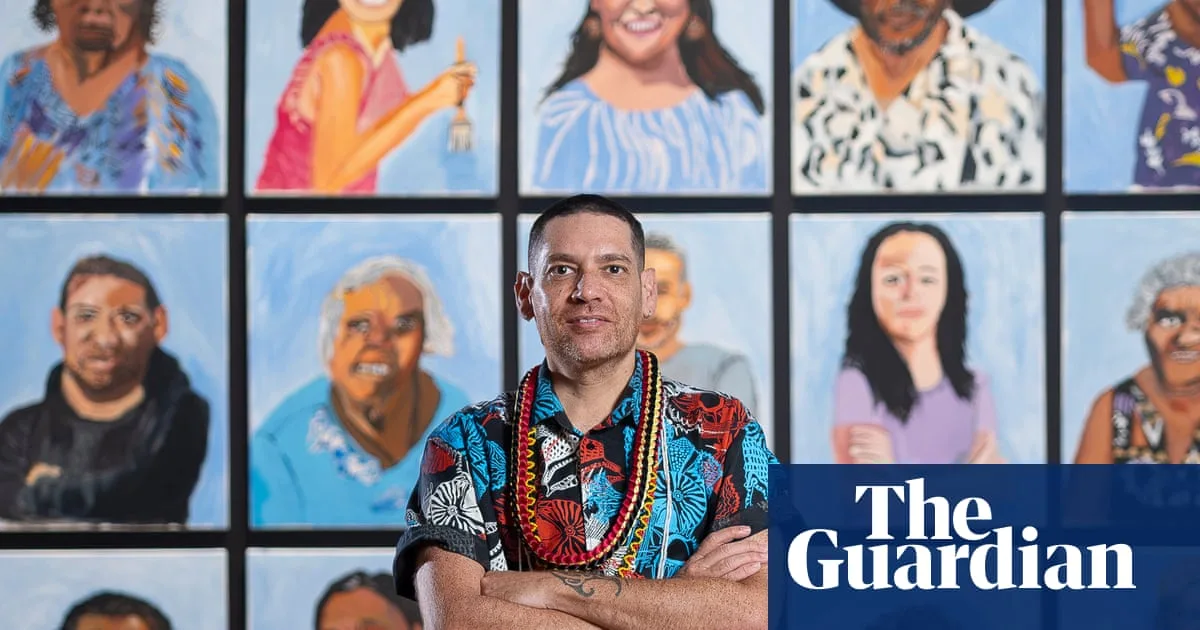
'ever Present' deliberately brings together esteemed senior artists and a new generation of talent. Visitors will encounter works by renowned figures such as Vincent Namatjira, whose sharp portraiture offers incisive political commentary, alongside emerging creators pushing the boundaries of contemporary Indigenous art. This intergenerational dialogue underscores the continuity and evolving nature of First Nations artistic practice.

The triennial also highlights the diversity of Indigenous artistic expression, encompassing traditional ochre paintings, cutting-edge digital media, photography, weaving, and sculpture. This variety challenges narrow perceptions and showcases the dynamic, living nature of these cultural traditions.

A Pivotal Moment for the National Gallery

For the National Gallery of Australia, this triennial marks a pivotal step in its own journey of reconciliation and representation. Director Nick Mitzevich has framed the event as part of the institution's core mission to "tell the story of art in Australia", a story that is fundamentally incomplete without the central, ongoing narrative of its First Peoples.

The critical and public response to the opening has been overwhelmingly positive, with many praising the exhibition's raw emotional power and its curatorial courage. It is seen as setting a new benchmark for how major national institutions can engage with and honour Indigenous art and history, moving beyond tokenism to a place of deep respect and partnership.

By creating a dedicated, recurring platform of this scale, the NGA ensures that Indigenous art is no longer relegated to temporary displays but is acknowledged as a permanent and vital pillar of the nation's artistic identity. 'ever Present' runs until early 2026, offering a profound opportunity for reflection and understanding.