Museum of Youth Culture to Open in London Celebrating Teenage Subcultures
The creators behind the new Museum of Youth Culture argue that the formative teenage years have been largely overlooked by cultural institutions. Set to open in May in Camden, London, this museum boasts a vast archive of 100,000 items that chronicle the evolution of British youth subcultures, spanning from mods and rockers to ravers and emo.
From Empty Space to Cultural Hub
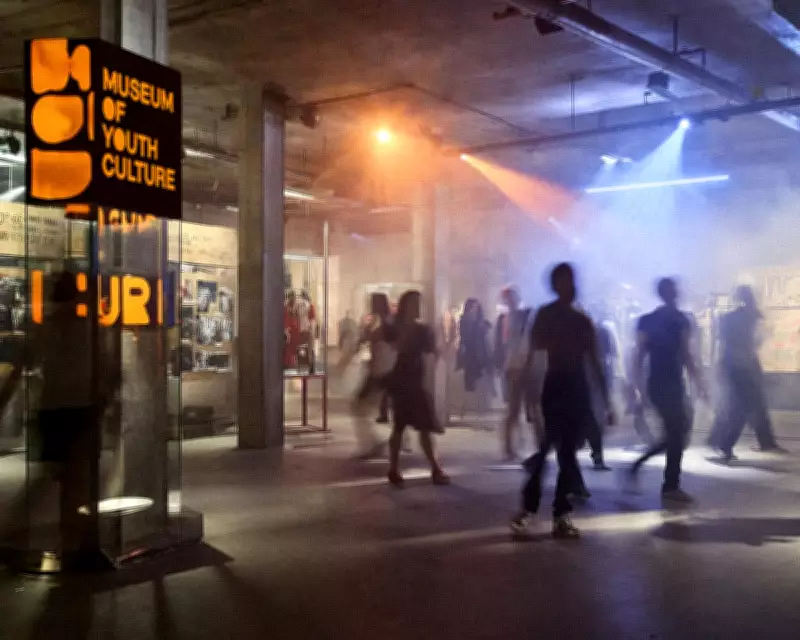
Currently, the basement of a new-build housing block in Camden is a noisy, damp space with ventilation systems working overtime. However, in just a few weeks, this area will be transformed into a dedicated institution celebrating all aspects of teenage life. Jon Swinstead, the driving force behind the museum, has been working on this project for nearly three decades.
The museum's opening date is set for 15 May, and it features an extensive collection that includes punk masks, original Sony Walkmans, and Raleigh Choppers. Swinstead notes that some items, like the Chopper, hold significant monetary value, while others, such as the Walkman with gender-specific inputs labeled 'guys' and 'dolls', offer nostalgic insights.

A Bottom-Up Approach to Curation
The museum has actively invited the British public to contribute items, resulting in a diverse array of donations. These include school leavers' shirts adorned with personalised messages in felt tip, customised handbags, and shirts dedicated to two-tone bands. This participatory curation method reflects the handmade, marginalised nature of the subcultures it represents.
Lisa der Weduwe, the community programmer at the Museum of Youth Culture, shares a notable donation: "We received a punk mask from a man named Steven, who wore it to early punk gigs in 1976 to avoid being identified and losing his apprenticeship. He also donated a copy of the Evening Standard showing him at a Clash gig."
Filling a Cultural Void
Swinstead and der Weduwe emphasise that the museum addresses a significant gap in the UK's cultural landscape. While there is an award-winning Young V&A for children, there is no substantial institution dedicated to teenagers and the rich subcultures they create. Der Weduwe questions, "If it exists for childhood, why does it not exist for teenagers? Most museums stop curating at 13 or 14, which is when the exciting stuff happens."
The museum originated from Swinstead's personal collection of photographs documenting British subcultures from the latter half of the 20th century, stored in his garden shed. It evolved into the photography agency PYMCA before shifting focus after collaboration with arts graduate Jamie Brett, who recognised its cultural value.
Expanding Beyond Traditional Spaces
Over the years, the museum has hosted pop-up events at festivals like We Out Here, contributed to Coventry's City of Culture year, and maintained a semi-permanent space on Shaftesbury Avenue. Now, with a 20-year lease and support from the City Bridge Foundation and the National Lottery Heritage Fund, it aims to become a permanent fixture in the UK's cultural scene.
The museum will also function as an event space, featuring a Rough Trade shop and a youth club, further integrating into the community.
Subcultures in the Modern Era
Contrary to beliefs that subcultures have declined since the 1970s and 80s, Swinstead and der Weduwe argue they have merely evolved. Swinstead states, "We can't deny the difference, but it isn't dead. It's different today; people don't run in packs in quite the same way." Der Weduwe adds, "Scenes like anime or K-pop exhibit all the hallmarks of traditional subcultures—style, visual identity, and music—though they are more nuanced and fluid now."
This museum promises to be a vibrant tribute to the dynamic and often overlooked world of teenage subcultures, preserving their legacy for future generations.