London Museum Conceals Portrait of Slave-Owning Bank Governor in Caribbean Exhibition
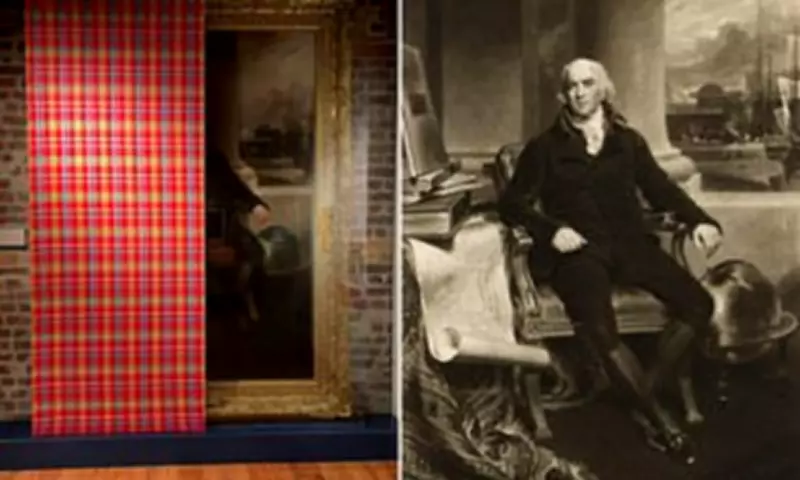
In a striking act of historical reclamation, the London Museum Docklands has deliberately covered up a portrait of a former Bank of England governor who owned slaves. The 19th-century painting of Beeston Long, who served as the central bank's governor from 1806 to 1808, has been partially concealed using a vibrant multicoloured cloth within the exhibition Caribbean Voices: Shaping Docklands.
Addressing Painful Legacies and Emotional Responses
The museum explained its decision through exhibition plaques, stating that displaying the portrait uncovered risked sanitising or obscuring direct connections to the transatlantic slave trade. Museum officials noted that the artwork had provoked strong emotional reactions from Caribbean partners, with some feeling bitter and provoked, while others reported feeling angry, furious and violated by its presence.
This intervention forms part of the museum's broader commitment to provide voice to those whose cultures have been impacted by colonialism. The specific inspiration came from Black Lives Matter protests in 2020, when activists draped a statue of merchant and slave trader Robert Milligan located outside the museum.

Beeston Long's Documented Connections to Slavery
Historical records confirm Beeston Long's deep involvement in slavery-based economies. He served as mortgagee for multiple estates tied to slavery and invested directly in Jamaican plantations that exploited enslaved labour. Simultaneously, he oversaw the expansion of London's Docklands during his tenure at the Bank of England.
Long's inclusion in University College London's 2020 Legacies of British Slave-ownership database underscores his documented role. The research revealed that at least 25 Bank of England governors and directors from the 18th and 19th centuries profited from the slave trade, collectively owning thousands of enslaved people.
Symbolism of the Madras Cloth and Exhibition Context
The multicoloured Madras cloth used to cover the portrait carries its own historical significance, having been exported to the Caribbean region during colonial times. Museum curators suggested the fabric represents the diverse nations of the Caribbean, creating a symbolic overlay on Long's image.
Other signs within the exhibition explicitly state that many of the objects in this gallery were created for and through the oppression of enslaved people, adding that European colonialists exploited African and Asian peoples and lands relentlessly.
Broader Institutional Reckoning with Historical Ties
This museum action follows wider institutional reckonings with historical connections to slavery. In 2020, the Bank of England removed portraits of twelve former governors and directors, including Long's image, acknowledging for the first time its inexcusable connections to the slave trade. The bank described this history as an unacceptable part of English history.
The 2020 Black Lives Matter protests sparked intense scrutiny of numerous British institutions' historical ties to slavery, generating national debate about how Britain should recognise its slave-trading past. During this period, the statue of Robert Milligan was permanently removed from outside the London Museum Docklands following a petition that gathered over 4,000 signatures.
London Museum's Ongoing Diversity Initiatives
The museum, rebranded from the Museum of London in 2024, has committed to addressing diversity issues within its organisation and collections. Last year, staff were urged to challenge embedded whiteness in workplace culture as part of a diversity drive, with internal guidance asking employees to consider how they advance race equity in daily work.
The exhibition Caribbean Voices: Shaping Docklands will continue exploring Caribbean contributions until January next year, examining topics including Caribbean produce's role in shaping Britain, Second World War veterans' contributions, and community influences on local history.